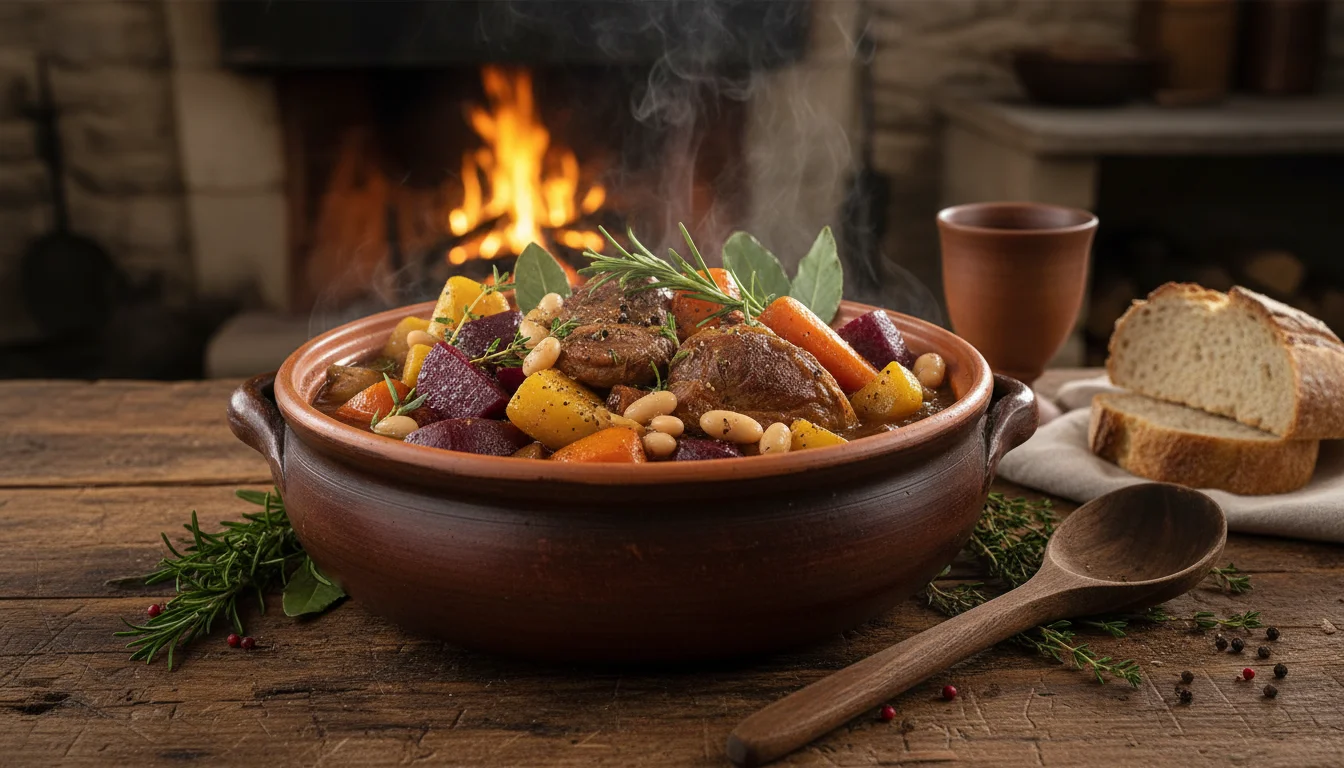
Ancestral Slow-Cooked Heritage Stew Unveiled
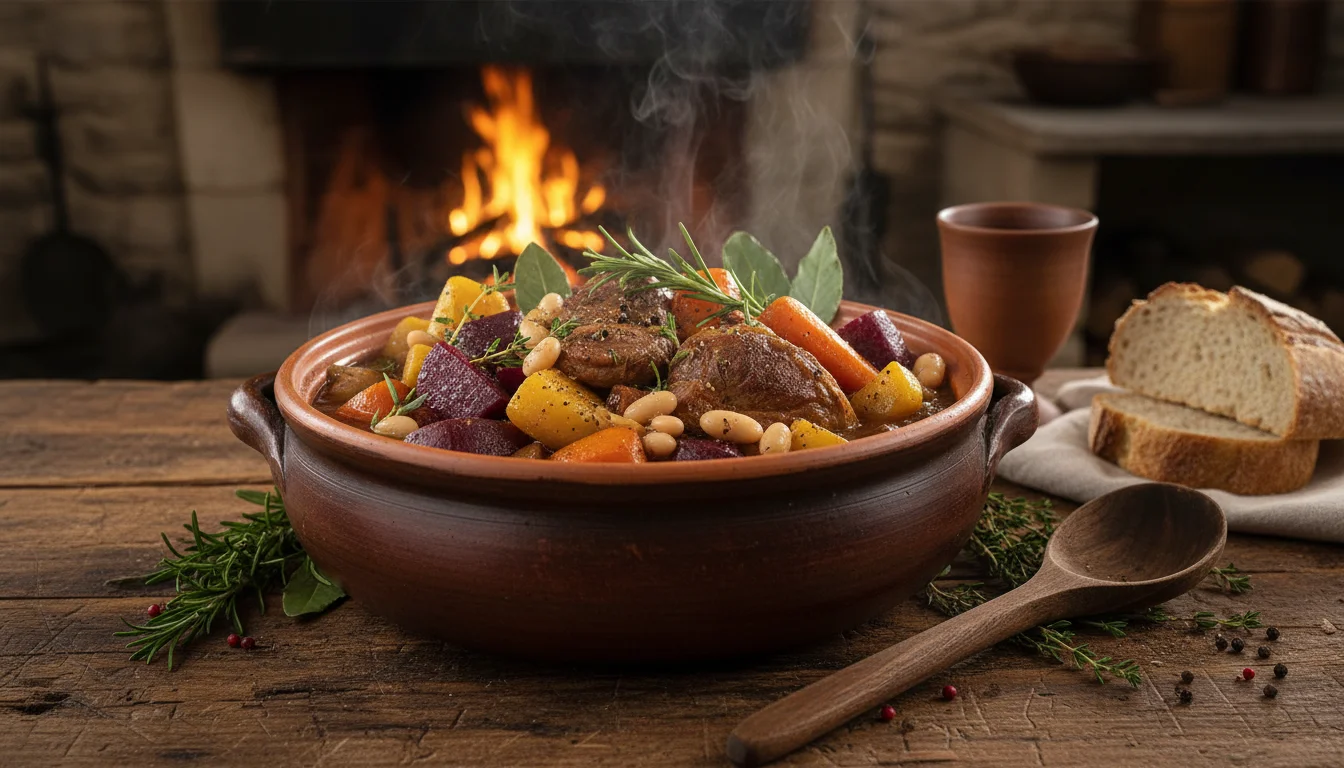
Imagine a bowl, steaming. Rich, dark gravy coats tender chunks of slow-cooked meat. A deep, comforting aroma fills your kitchen, hinting at generations of flavor. This isn’t just a stew; it’s a heritage stew unveiled, a dish that whispers stories of tradition with every deeply satisfying spoonful. It’s the kind of meal that gathers people, that warms the soul, and frankly, makes you feel like a kitchen magician. I’ve spent years perfecting this recipe, drawing inspiration from old family notes and countless hours in the kitchen, aiming for that perfect balance of complexity and pure, unadulterated comfort. This is it. This is the heritage stew you’ve been searching for.
| Prep Time: | 30 minutes |
| Cook Time: | 3-4 hours (slow cooker) or 2.5-3 hours (oven) |
| Total Time: | 3.5 – 4.5 hours |
| Servings: | 6-8 |
| Estimated Calories: | ~450 per serving (without sides) |
Why You’ll Love This Heritage Stew
- Effortless Flavor: The slow cooking process does all the heavy lifting, allowing flavors to meld into something truly spectacular with minimal active work.
- Deeply Satisfying: This stew is hearty, rich, and incredibly comforting – perfect for chilly evenings or when you just need a culinary hug.
- Make-Ahead Magic: Flavors actually improve overnight, making it an ideal dish to prepare a day in advance.
- Customizable Comfort: Easily adaptable to your favorite root vegetables and proteins.
Ingredients: The Heart of the Heritage Stew
Using the right ingredients makes all the difference. This isn’t about fancy, hard-to-find items; it’s about quality and understanding why each component contributes to the final masterpiece.
- Beef Chuck Roast: About 2.5-3 pounds. Look for good marbling. This cut breaks down beautifully into fork-tender strands during slow cooking. It’s the backbone of our heritage stew.
- All-Purpose Flour: 1/4 cup. For dredging the beef. This helps create a lovely crust and thickens the sauce.
- Olive Oil or Vegetable Oil: 2 tablespoons. For searing. A good quality oil that can handle medium-high heat.
- Yellow Onions: 2 large, chopped. They provide a sweet, savory base. Don’t skimp on these!
- Carrots: 3-4 medium, peeled and cut into 1-inch chunks. Their sweetness balances the richness.
- Celery: 3-4 stalks, cut into 1-inch chunks. Adds a subtle aromatic depth.
- Garlic: 4-6 cloves, minced. Essential for that unmistakable savory punch.
- Beef Broth: 4 cups. Use a good quality, low-sodium beef broth. This is your primary liquid.
- Dry Red Wine: 1 cup (optional, but recommended). A Cabernet Sauvignon or Merlot works wonderfully. It adds a layer of complexity and depth that water just can’t replicate.
- Tomato Paste: 2 tablespoons. Concentrated flavor. It adds umami and a touch of acidity.
- Worcestershire Sauce: 2 tablespoons. A secret weapon for savory depth.
- Herbs: 2-3 sprigs fresh thyme, 1-2 sprigs fresh rosemary, 1 bay leaf. These aromatics are crucial. Tie them together with kitchen twine for easy removal.
- Salt and Freshly Ground Black Pepper: To taste. Season generously at each stage.
- Potatoes: 1.5 pounds Yukon Gold or Russet potatoes, cut into 1.5-inch chunks. Add these in the last hour of cooking so they don’t turn to mush.
Heritage stew unveiled 1
Step-by-Step: Crafting Your Heritage Stew
Prep Work: Setting the Stage
- Pat the beef chuck roast completely dry with paper towels. This is critical for a good sear.
- Season the flour generously with salt and pepper. Dredge the beef cubes in the seasoned flour, shaking off any excess.
- Chop your onions, carrots, celery, and mince your garlic. Prepare your herbs.
- If using wine, open the bottle and have it ready.
Searing for Flavor
- Heat 2 tablespoons of olive oil in a large Dutch oven or heavy-bottomed pot over medium-high heat until shimmering.
- Add the floured beef cubes in a single layer, working in batches if necessary to avoid overcrowding the pot. Sear on all sides until deeply browned, about 2-3 minutes per side. This browning is where so much of that rich flavor comes from. Remove the seared beef to a plate and set aside.
Building the Foundation
- Reduce the heat to medium. Add the chopped onions, carrots, and celery to the pot. Cook, stirring occasionally, until softened and lightly browned, about 8-10 minutes. Don’t rush this; it builds sweetness.
- Add the minced garlic and tomato paste to the pot. Cook for another 1-2 minutes until fragrant, stirring constantly.
- If using wine, pour it into the pot. Scrape up any browned bits from the bottom of the pot with a wooden spoon. Let it simmer and reduce by about half, about 3-5 minutes. This cooks off the alcohol and concentrates the wine’s flavor.
The Slow Simmer
- Return the seared beef (and any accumulated juices) to the pot.
- Pour in the beef broth and Worcestershire sauce. Stir everything to combine.
- Add the tied herb bundle (thyme, rosemary, bay leaf).
- Bring the liquid to a gentle simmer.
- For Oven Method: Cover the Dutch oven tightly with its lid. Transfer to a preheated oven at 325°F (160°C). Braise for 2.5 to 3 hours, or until the beef is very tender.
- For Slow Cooker Method: Transfer the contents of the pot (beef, vegetables, liquid) to your slow cooker. Cover and cook on LOW for 7-8 hours or on HIGH for 3-4 hours, until the beef is fork-tender.
Heritage stew unveiled 2
Finishing Touches
- About 1 hour before the stew is finished cooking (whether in the oven or slow cooker), add the potato chunks to the pot. Ensure they are submerged in the liquid.
- Continue cooking until the potatoes are tender and the beef is falling apart.
- Remove and discard the herb bundle.
- Taste the stew and adjust seasoning with salt and pepper as needed. The flavors will have deepened significantly. This is where you truly perfect your heritage stew unveiled.
Chef’s Crucial Tip: Don’t be tempted to skip the searing step. That golden-brown crust on the beef creates a foundation of flavor that is absolutely irreplaceable. It’s the difference between a good stew and an unforgettable one.
Variations & Substitutions
This heritage stew is wonderfully adaptable.
- Vegetarian/Vegan: Replace beef with hearty mushrooms (like cremini or portobello) and root vegetables like parsnips and sweet potatoes. Use vegetable broth and omit the Worcestershire sauce or use a vegan alternative.
- Spicy Kick: Add a pinch of red pepper flakes along with the garlic, or a diced jalapeño with the onions.
- Different Proteins: Lamb shoulder or pork shoulder can be substituted for beef chuck, adjusting cooking times as needed.
- Gluten-Free: Omit the flour dredge and thicken the sauce at the end with a cornstarch slurry (2 tablespoons cornstarch mixed with 4 tablespoons cold water), simmered until thickened.
Storage & Reheating
This stew is a fantastic make-ahead meal. Store cooled stew in an airtight container in the refrigerator for up to 3-4 days. The flavors actually meld and improve overnight. Reheat gently on the stovetop over low heat, stirring occasionally, or in the microwave until heated through. For longer storage, freeze in portions for up to 3 months.
Frequently Asked Questions (FAQ)
Can I make this stew without wine?
Absolutely. If you prefer not to use wine, simply increase the beef broth by 1 cup. The flavor will still be rich and delicious, though it will lack that subtle complexity wine adds.
Why is my stew not thickening?
Several reasons: you might not have used enough flour to dredge the beef, or the simmering time wasn’t long enough for the flour to activate. Alternatively, if you’re making it gluten-free, ensure you’re using a proper thickening agent like cornstarch or a roux made with gluten-free flour.
What are the best side dishes for heritage stew?
This hearty stew pairs beautifully with creamy mashed potatoes, crusty bread for soaking up the sauce, or a simple green salad to cut through the richness.