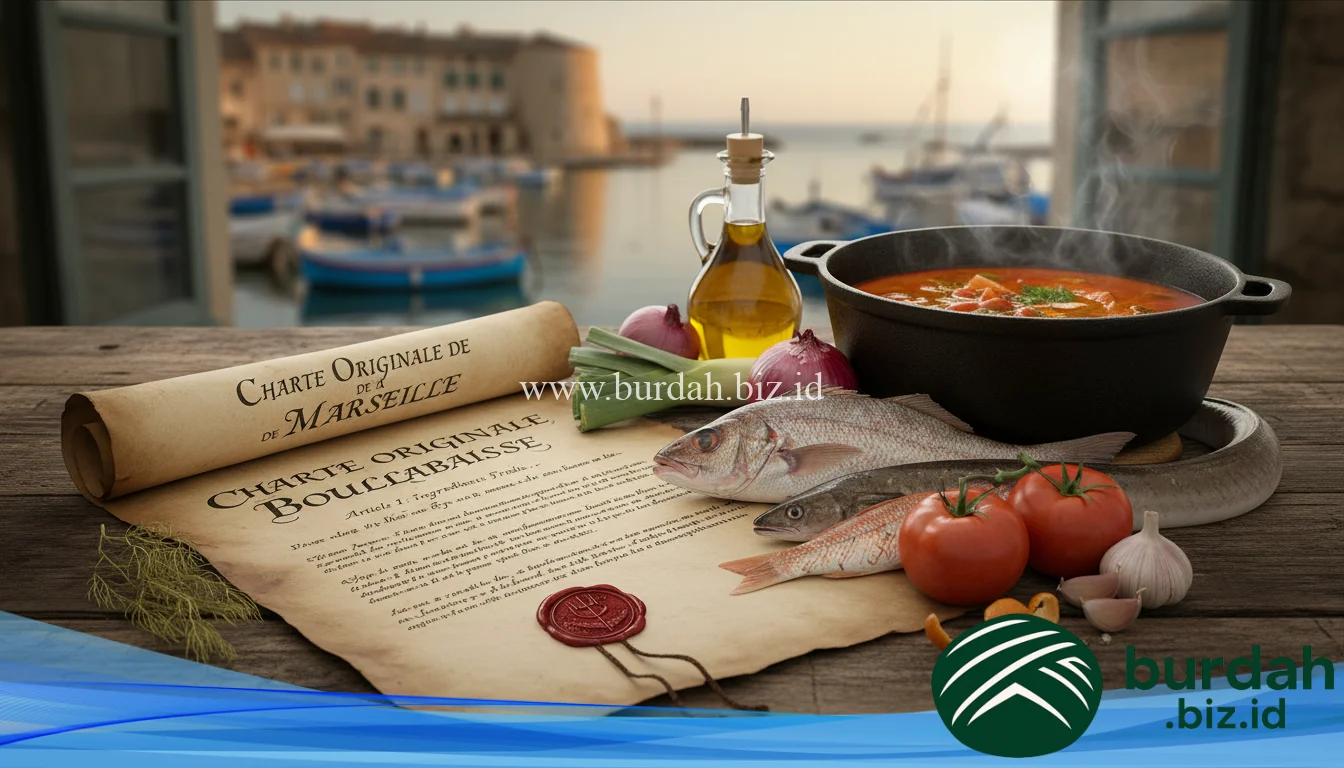
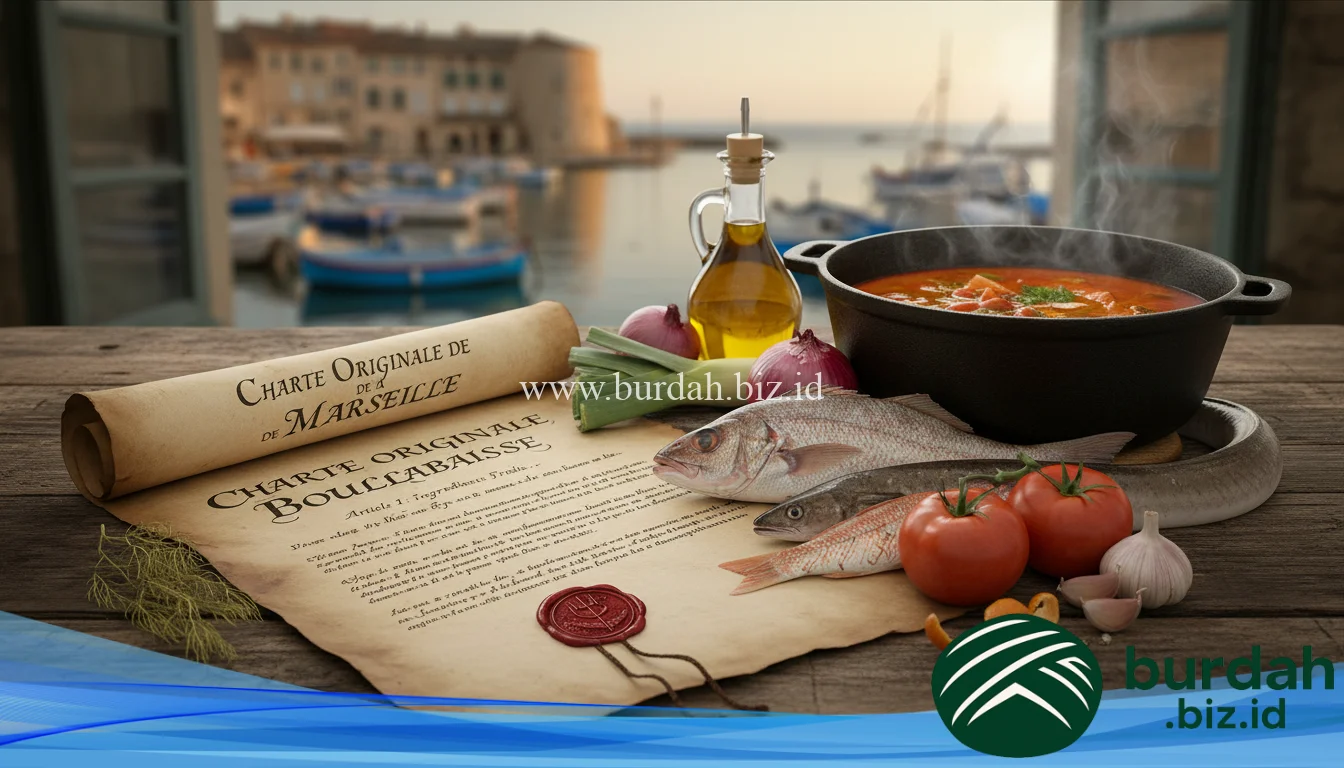
The scent hits you first. It’s a complex perfume of saffron, fennel, and a deep, oceanic brine that speaks of the old port of Marseille. A spoonful reveals a broth so intensely flavored, so richly golden, it feels like liquid sunshine. This isn’t just any fish soup. This is the real thing, the authentic Bouillabaisse Canon, a dish governed by a charter to protect its soul. Let’s be real, most versions you find are pale imitations. We are not making a simple stew today; we are honoring a tradition, creating a two-part culinary event that is both rustic and profound.
I first experienced this dish properly in a small, family-run restaurant overlooking the water in France. The owner, a man with hands weathered by the sea, explained that true bouillabaisse is not a jumble of fish thrown into a pot. It’s a precise, respected process. That lesson has stayed with me, and it’s the foundation of this recipe.
| Prep Time | 45 minutes |
| Cook Time | 40 minutes |
| Total Time | 1 hour 25 minutes |
| Servings | 6-8 people |
| Estimated Calories | ~550 kcal per serving (without croutons) |
Why You’ll Love This Recipe
- Unyielding Authenticity: This recipe adheres to the principles of the 1980 Bouillabaisse Charter. We use the right fish and the right technique. No shortcuts.
- The Two-Course Experience: I’ll show you the traditional Marseille method of serving—the intensely flavorful broth first, followed by the perfectly poached fish. It changes everything.
- Flavor layering Mastery: You will learn how to build a broth with incredible depth, starting with a sofrito base and layering in aromatics like fennel, orange peel, and precious saffron.
- The Perfect Rouille: The recipe includes a foolproof, fiery rouille sauce. It’s the essential garlicky, spicy accompaniment that completes the dish. Honestly, it’s non-negotiable.
Bouillabaisse Canon 1
Ingredients Notes For The Bouillabaisse Canon
The quality of your ingredients directly translates to the quality of your soup. There is no hiding here. Let’s break down what you need and why.
- The Fish: You need a minimum of four types of Mediterranean rockfish. The charter insists on it. Look for rascasse (scorpionfish) as the star. Also essential are gurnard (grondin), John Dory (Saint-Pierre), and monkfish (lotte). You want firm, white-fleshed fish. Ask your fishmonger for about 4 lbs total, scaled, gutted, and cut into large steaks. Save the heads and bones!
- The Aromatics: Two large yellow onions, two leeks (white and light green parts only), and four cloves of garlic form your base. One bulb of fresh fennel is critical for that signature anise note.
- Tomatoes: Use one 28-ounce can of whole, peeled San Marzano tomatoes, crushed by hand. Their low acidity and sweet flavor are perfect for this broth.
- Olive Oil: A generous amount of high-quality extra virgin olive oil is needed. Don’t skimp here.
- Herbs & Spices: A large pinch of Spanish saffron threads (about 1/2 teaspoon). This is for color and that unmistakable flavor. You’ll also need a bay leaf, a few sprigs of fresh thyme, and the peel from one orange.
- For the Rouille: Two egg yolks, four cloves of garlic, one roasted red bell pepper (from a jar is fine, just pat it dry), a pinch of cayenne pepper, and about 1 cup of olive oil. A stale baguette is needed for the croutons.
Step-by-Step Instructions
This is a process of two main parts: creating the broth and then cooking the fish. Pay close attention to the timing. It matters.
Phase 1: Building the Golden Broth
- In a very large Dutch oven or stockpot, heat about 1/2 cup of olive oil over medium heat. Add the chopped onions, leeks, and fennel. Sauté until very soft but not browned, about **10 minutes**. Add the minced garlic and cook for one more minute until fragrant.
- Add the hand-crushed San Marzano tomatoes, orange peel, bay leaf, thyme, and the fish heads and bones you reserved. Stir everything together.
- Pour in 12 cups of cold water. Bring the mixture to a boil, then immediately reduce the heat to a steady simmer. Let it simmer, uncovered, for **30 minutes**. Skim any foam that rises to the surface.
- While the broth simmers, place the saffron threads in a small bowl and add a few tablespoons of the hot broth to it. Let the saffron steep and release its color.
- After 30 minutes, strain the broth through a fine-mesh sieve into a large, clean bowl. Use the back of a ladle to press hard on the solids to extract every last drop of liquid. This is your flavor base. Discard the solids.
- Clean the pot, return the strained broth to it, and stir in the saffron-infused liquid. Season generously with salt and fresh black pepper. Bring it to a gentle simmer.
Bouillabaisse Canon 2
Phase 2: Cooking the Fish & Making the Rouille
- While the broth is simmering, prepare the rouille. In a food processor, combine the garlic cloves, roasted red pepper, egg yolks, and cayenne. Blend until a smooth paste forms. With the machine running, slowly drizzle in the olive oil until a thick, mayonnaise-like sauce forms. Season with salt.
- Slice your baguette into 1/2-inch thick rounds. Brush them with olive oil and toast in the oven until golden and crisp. Rub each crouton with a raw garlic clove.
- Now for the fish. Bring your broth to a rolling boil. Add the firmest fish first (like monkfish and gurnard). Cook for **3 minutes**. Then add the more delicate fish (John Dory, rascasse). Cook for another **5-7 minutes**, or until all the fish is just cooked through and opaque. Do not overcook.
- To serve in the traditional style, carefully remove the fish pieces with a slotted spoon and arrange them on a large, warm platter. Ladle the boiling hot broth into soup bowls.
- Serve the bowls of broth first, with the rouille and garlic croutons on the side. Guests should spread the rouille on the croutons and float them in their soup. After the soup course, serve the platter of fish.
Chef’s Tips for Success
The single most important rule is the order of the fish. The timing is everything. Firmer, thicker fish must go in first to get a head start. Delicate, flaky fish goes in at the very end. If you throw it all in at once, you will have a platter of mush. Respect the texture of each ingredient. This discipline separates a good soup from a true Bouillabaisse.
Variations & Substitutions
Let’s be clear: changing this recipe means it’s no longer a true Bouillabaisse Canon. However, if you must adapt, here are some suggestions.
- Fish Substitutions: If you absolutely cannot find the specified rockfish, you can substitute with other firm, non-oily white fish like halibut, sea bass, or red snapper. The flavor profile will change, but it will still be delicious. Avoid oily fish like salmon or mackerel at all costs.
- For a Spicier Kick: Add a whole dried chili or a teaspoon of red pepper flakes to the aromatics when you’re building the broth. You can also add more cayenne to your rouille.
- Adding Shellfish: Some modern interpretations include mussels or shrimp. If you wish to add them, toss them in during the last 2-3 minutes of cooking, just until the mussels open.
–
–
Bouillabaisse Canon 3
Storage & Reheating
This dish is best enjoyed immediately. The magic is in the perfectly cooked fish and the piping hot broth. Reheating is tricky.
If you have leftovers, store the broth and the fish in separate airtight containers in the refrigerator for up to 2 days. To reheat, bring the broth to a gentle simmer on the stove. Once it’s hot, add the cold fish pieces and let them warm through for just a minute or two. Do not boil the fish again, or it will become tough and rubbery.
Frequently Asked Questions
Can I use fish stock instead of water and fish bones?
You can, but the flavor will be different. The soul of the broth comes from simmering the heads and bones of the *exact* fish you are serving. It creates a cohesive, pure flavor. A generic fish stock can’t replicate that specific nuance. If you must, use a low-sodium, high-quality white fish stock.
Is the rouille absolutely necessary?
Yes. 100%. The rouille is not a garnish; it’s a fundamental component of the dish. The creamy, garlicky, spicy kick of the sauce stirred into the saffron broth is the defining taste experience of a real bouillabaisse. Skipping it would be like serving a burger without a bun.
Why is this dish so expensive to make?
The cost is tied to its authenticity. It requires a significant amount of very specific, high-quality fresh fish, plus a generous pinch of saffron, which is one of the world’s most expensive spices. Think of it not as a weekly soup, but as a special occasion meal, a project worth investing in for an unforgettable result.