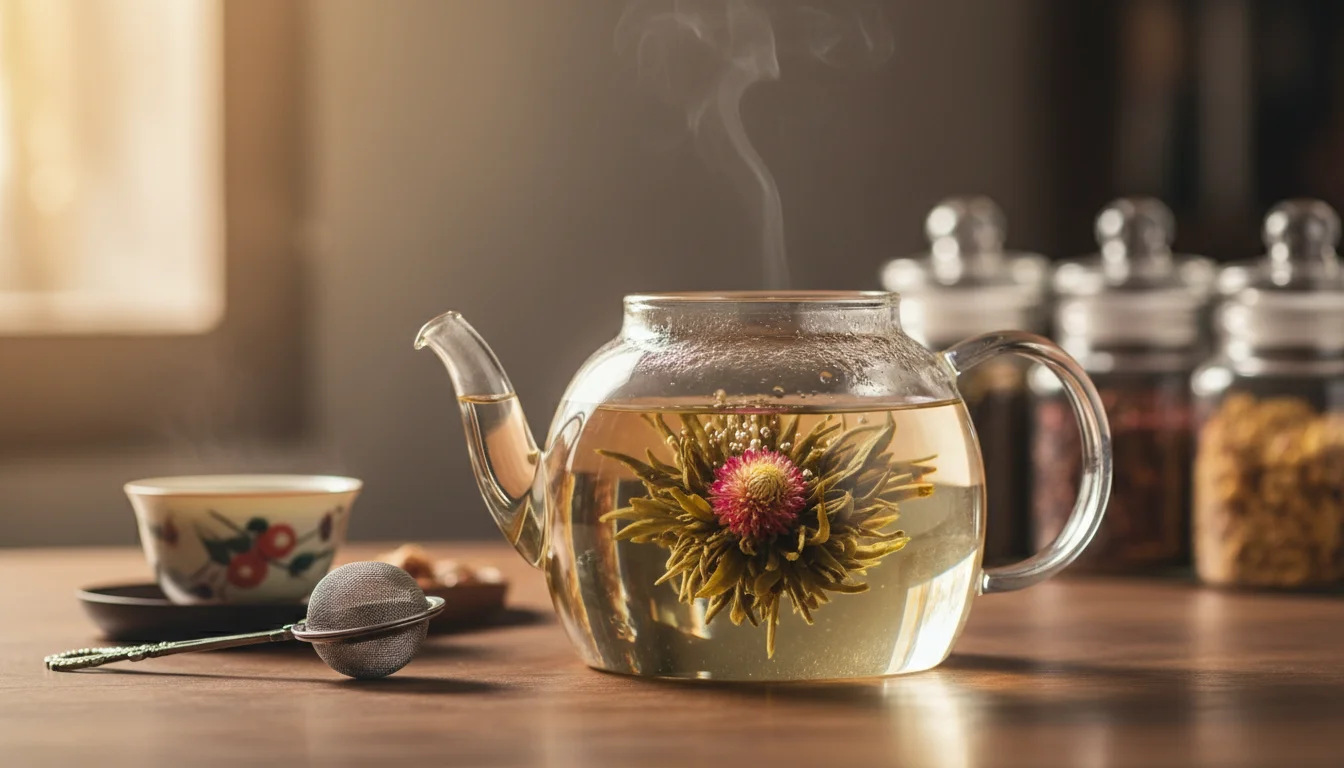
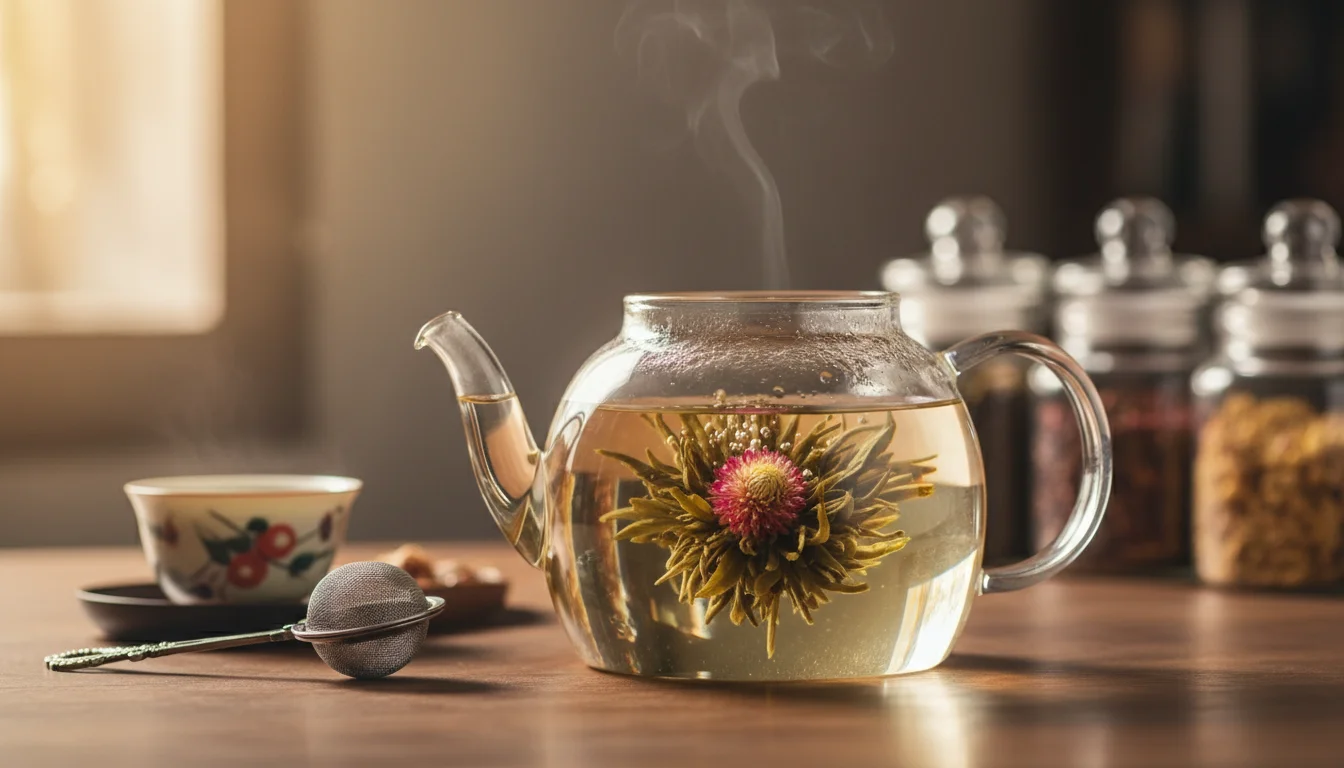
The visual spectacle of blooming tea artistry is truly captivating. Imagine a tightly bound bundle of dried tea leaves, seemingly unassuming. Then, place it into hot water. What follows is a slow, deliberate unfurling, transforming the humble ball into a delicate flower, often adorned with blossoms like jasmine or lily. This isn’t just a beverage; it’s a performance, a moment of serene beauty captured in a cup.
The genesis of this unique tea experience traces back to China. Specifically, the province of Fujian is widely recognized as its birthplace. For centuries, Chinese tea culture has emphasized not only taste and aroma but also the aesthetic presentation of the tea. Blooming teas, also known as flowering teas or artistic teas, represent a sophisticated evolution of this tradition. They combine skilled craftsmanship with the natural beauty of flowers and high-quality tea leaves.
The selection of tea leaves is paramount. Typically, green tea is the base for most blooming teas. Its delicate flavor profile and pale liquor do not overpower the subtle notes of the added flowers. Silver needle white tea is also a popular choice, offering a refined sweetness and a smooth finish. The leaves are carefully harvested, often by hand, to ensure their quality and integrity. This careful sourcing sets the stage for the artistry that is to follow.
The Craft Behind the Bloom
Creating a blooming tea is a meticulous process, requiring patience and a keen eye for detail. Artisans begin by selecting premium tea leaves, usually young, tender buds and leaves. These are then laid out and gently infused with the essence of specific flowers. This infusion process is crucial; it imbues the tea leaves with the floral aroma and flavor without compromising the tea’s natural characteristics. Common flowers used include jasmine, lily, osmanthus, and amaranth.
Blooming tea artistry 1
The most fascinating part, however, is the hand-tying. Artisans carefully arrange the infused tea leaves around a chosen flower or a cluster of small blossoms. The goal is to create a compact bundle that will hold its shape until steeped. Using thin, edible threads, often made from the tea plant’s own fibers or a fine cotton, they skillfully tie the leaves together. This binding must be tight enough to maintain the tea ball’s form but loose enough to allow for the dramatic unfurling when exposed to hot water. It’s a delicate balance, a true testament to human dexterity.
The types of flowers used are not arbitrary. Jasmine is a classic choice, lending a sweet, intoxicating fragrance that complements the tea beautifully. Lily offers a more subtle, elegant scent. Amaranth, with its vibrant red color, adds a visual pop to the blooming process. Each flower contributes a unique dimension to the overall sensory experience, transforming a simple cup of tea into a multi-layered indulgence. The artistry lies not just in the tying, but in the thoughtful pairing of tea and flower.
The Steeping Experience
The true magic of blooming tea artistry is revealed during the steeping process. It’s a ritual that demands attention and appreciation. For the best results, a clear glass teapot or mug is highly recommended. This allows for an unobstructed view of the unfolding spectacle. The vessel should be clean and free from any residual flavors that might interfere with the delicate aromas of the tea and flowers.
Water temperature is critical. For green and white teas, which form the base of most blooming teas, water that is too hot can scald the leaves and impart a bitter taste. The ideal temperature generally ranges between 170°F and 185°F (77°C to 85°C). Boiling water should be avoided. Allowing the water to cool slightly after boiling is a simple yet effective way to achieve the correct temperature. This gentle heat coaxes the leaves to open gracefully.
Blooming tea artistry 2
Once the water is at the correct temperature, the blooming tea ball is gently placed into the teapot or mug. The initial moments are filled with anticipation. You’ll observe the tea ball slowly begin to expand. Then, like a slow-motion ballet, the leaves begin to unfurl, revealing the hidden flower within. It’s a mesmerizing transformation, a fleeting moment of natural beauty brought to life by the simple act of steeping. The visual display is often as satisfying as the eventual taste.
As the leaves continue to open, the flower at its center blossoms more fully. The water gradually takes on a pale, golden hue, carrying the delicate fragrance of both the tea and the flower. This stage can take anywhere from 5 to 10 minutes, depending on the specific tea and the tightness of the knot. Patience is rewarded with a truly unique sensory journey. The aroma fills the air, promising a refined and delicate flavor.
Flavor Profiles and Aromas
The flavor of blooming tea is a nuanced affair, a harmonious blend of the tea base and the infused floral notes. Green tea provides a light, slightly grassy or vegetal foundation. White tea offers a delicate sweetness and a smooth, clean finish. These subtle qualities are enhanced, not masked, by the floral elements.
Jasmine blooming teas are perhaps the most popular, renowned for their intensely fragrant and slightly sweet profile. The jasmine scent is pervasive, creating an almost perfumed aroma that is both calming and uplifting. The taste is smooth, with the floral notes lingering pleasantly on the palate. It’s a sophisticated flavor that appeals to a wide range of tea drinkers.
Lily blooming teas present a gentler, more ethereal fragrance. The lily’s scent is less assertive than jasmine’s, offering a more delicate and refined floral character. The tea itself remains the star, with the lily adding a subtle layer of complexity. This makes it a perfect choice for those who prefer a less intensely perfumed beverage.
Blooming tea artistry 3
Beyond these common varieties, you might encounter blooming teas featuring other flowers like chrysanthemum, which imparts a mild, slightly sweet flavor, or rose, which adds a romantic, subtly fruity aroma. Each combination offers a distinct tasting experience, showcasing the versatility of this unique tea form. The careful selection and pairing of tea leaves and flowers are central to achieving these delightful flavor profiles.
Health Benefits and Considerations
Like their base teas, blooming teas can offer several potential health benefits. Green tea, a common component, is rich in antioxidants, particularly catechins like EGCG. These compounds are believed to help protect the body’s cells from damage caused by free radicals, potentially contributing to a reduced risk of chronic diseases.
The antioxidants found in green tea may also support cardiovascular health. Studies suggest that regular consumption of green tea can help improve cholesterol levels and reduce blood pressure, both important factors in maintaining a healthy heart. Furthermore, some research indicates that green tea may play a role in boosting metabolism, although this effect is generally modest.
The flowers used in blooming teas can also contribute to wellness. Jasmine, for instance, is traditionally used in aromatherapy for its calming properties, which may help reduce stress and anxiety. Chrysanthemum is known for its anti-inflammatory properties and is often used in traditional Chinese medicine to clear heat and detoxify the body. While these benefits are associated with the individual components, it’s important to remember that blooming teas are consumed in relatively small quantities.
However, it’s crucial to approach these health claims with a balanced perspective. Blooming teas are a delightful indulgence and a source of enjoyment, but they should not be considered a substitute for medical advice or treatment. The overall health impact depends on various factors, including the quality of the tea and flowers, the frequency of consumption, and individual dietary habits. Always consult with a healthcare professional for any health concerns.
Blooming tea artistry 4
Additionally, individuals sensitive to caffeine should be mindful of their intake, as green tea does contain caffeine. The amount can vary depending on the specific tea leaves used and the steeping time. For those seeking a caffeine-free option, decaffeinated blooming teas are sometimes available, though they may not offer the same depth of flavor and aroma.
The Artistry of Presentation
The visual appeal of blooming tea artistry extends beyond the unfurling itself. The way it is served can significantly enhance the experience. As mentioned, a clear glass teapot is ideal for showcasing the transformation. When serving guests, the anticipation builds as you present the blooming tea ball before steeping.
After the tea has steeped and the flower has fully bloomed, the tea itself becomes a beautiful centerpiece. The delicate petals floating in the amber liquor create an elegant presentation. It’s a beverage that invites contemplation and conversation. The visual artistry makes it perfect for special occasions, afternoon tea, or simply as a moment of personal indulgence.
Serving blooming tea is an act of hospitality that demonstrates care and attention to detail. It’s a way to offer something truly unique and memorable. The simple act of sharing a cup of blooming tea can transform an ordinary moment into an extraordinary one, a small celebration of beauty and flavor. The bloom itself becomes a talking point, a shared experience that delights the senses.
Some tea enthusiasts even choose to preserve the bloomed tea for a short period. Once the tea has been consumed, the fully opened flower and leaves can sometimes be carefully removed and placed in a small dish or even a clear resin for display. While this is not a common practice, it highlights the aesthetic value that many people place on this unique form of tea. It’s a testament to how deeply the visual aspect can resonate.
Blooming tea artistry 5
Choosing and Storing Blooming Teas
When selecting blooming teas, look for reputable brands that clearly list the ingredients. The tea leaves should appear dry and intact, and the flower should be well-preserved. The bundles should be uniformly shaped and neatly tied. Packaging also plays a role; airtight containers or individually wrapped sachets help maintain freshness and prevent the absorption of unwanted odors.
Storage is key to preserving the quality and aroma of blooming teas. They are sensitive to moisture, light, and strong odors. Therefore, it’s best to store them in a cool, dry, dark place. An airtight tin or a resealable bag is ideal. Avoid storing them near spices, coffee, or other strong-smelling items, as the tea leaves can easily absorb these aromas, compromising their delicate flavor.
Proper storage ensures that each cup delivers the intended sensory experience. A well-stored blooming tea will unfurl beautifully and release its full aromatic potential. Conversely, poorly stored tea may appear dull, lack fragrance, and taste flat. Taking a few simple precautions can make a significant difference in enjoying the full artistry of blooming tea.
The shelf life of blooming teas is generally shorter than that of standard loose-leaf teas. Because they contain fresh or dried flowers and are more exposed to air, their peak freshness is typically within six months to a year of purchase, assuming proper storage. Always check for any signs of spoilage, such as mold or a musty smell, before steeping.
Ultimately, blooming tea artistry offers a unique intersection of taste, aroma, and visual delight. It’s a celebration of nature’s beauty and human ingenuity, transforming a simple beverage into an engaging and memorable experience. Each bloom is a miniature masterpiece, waiting to be brought to life. It’s more than just tea; it’s a moment of cultivated enjoyment.