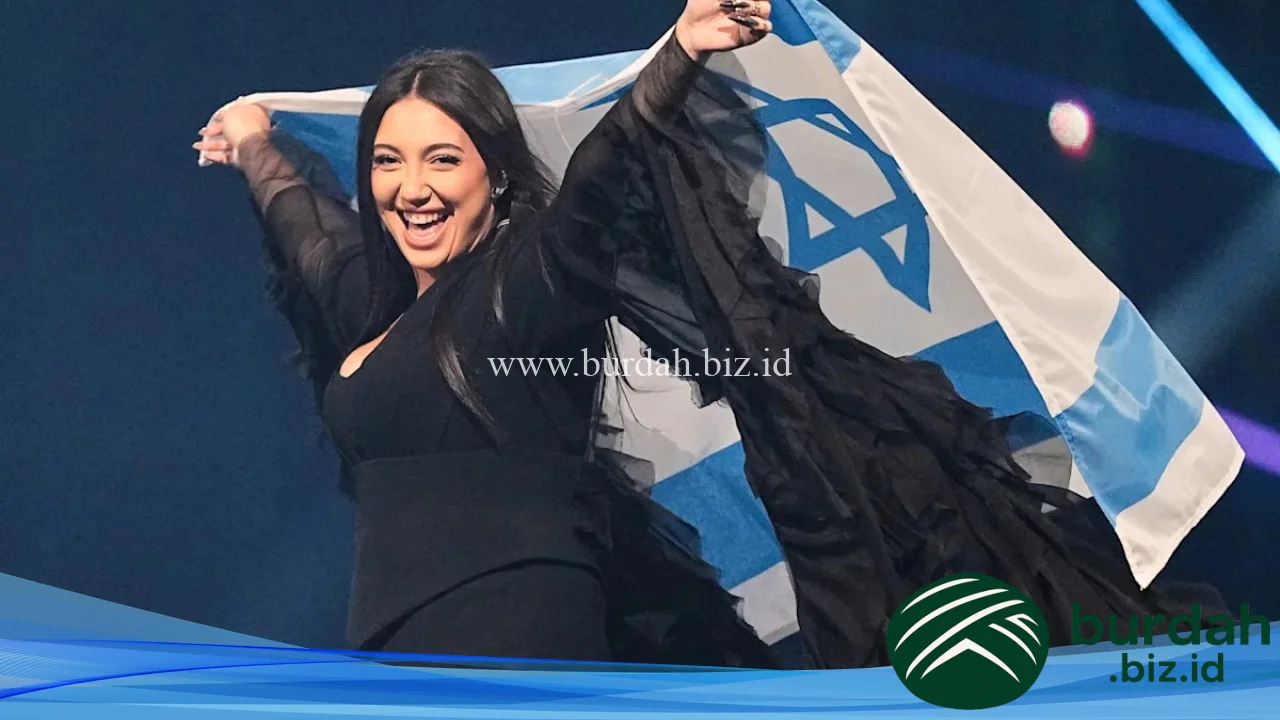
A significant rift has fractured the Eurovision Song Contest. Four countries—Ireland, the Netherlands, Slovenia, and Spain—have officially announced they will boycott the upcoming competition. The move is a direct protest against the European Broadcasting Union’s decision to allow Israel to participate.
The wave of withdrawals came swiftly on Thursday. It happened immediately after the EBU, the organization that governs the massive music event, confirmed there would be no vote on excluding Israel, a demand made by several member nations. The decision has set the stage for one of the most politically charged contests in the event’s history.
Broadcasters Announce Boycott
The public broadcasters of the four nations released separate but unified messages. Their reasons centered on the ongoing conflict in Gaza and allegations of political maneuvering by Israel within the contest itself. Opponents of Israel’s participation point to the devastating humanitarian crisis and a death toll reported to be over 70,000 in Gaza.
The Dutch broadcaster, AVROTROS, was firm in its statement, citing a conflict of principles.
“Under the current circumstances, participation cannot be reconciled with the public values that are fundamental to our organisation.”
AVROTROS also leveled specific accusations against Israel, claiming “proven interference” in the last contest and noting its “serious violation of press freedom” during the war. Ireland’s broadcaster, RTE, echoed the sentiment, extending its boycott through 2026 and citing “the appalling loss of lives in Gaza and humanitarian crisis” as the definitive reason. Slovenia’s national broadcaster framed its decision as a tribute, stating the move came “on behalf of the 20,000 children who died in Gaza.”
Spain’s RTVE joined the boycott for the 70th edition of the contest, which is set to take place in Vienna. Alfonso Morales, the broadcaster’s secretary-general, explained the difficulty in maintaining the event’s apolitical spirit.
“The situation in Gaza, despite the ceasefire and the approval of the peace process, and the use of the contest for political goals by Israel, make it increasingly difficult to keep Eurovision a neutral cultural event,” Morales stated.
The EBU’s Stance and Contest Reforms
Faced with a growing crisis, the European Broadcasting Union defended its decision to include Israel. The EBU released a statement emphasizing its commitment to the contest’s neutrality. It announced that its members had shown “clear support for reforms to reinforce trust and protect [the] neutrality” of Eurovision.
These changes are not minor. They include the reintroduction of an expanded professional jury during the semifinal stage of the competition. This structural adjustment is specifically designed to counteract and discourage governments or other outside parties from using promotional campaigns to unfairly influence the public vote. The EBU hopes this will insulate the song contest from the very political pressures that are now causing it to splinter.
A Continent Divided on Participation
The response across Europe is far from uniform. While four nations are pulling out, others have taken a completely opposite stance. Germany, a major contributor to the EBU, made its position clear in the run-up to the decision. The German government stated it would not participate in Eurovision if Israel were barred from the event.
German Culture Minister Wolfram Weimer was unequivocal.
“Israel belongs in the Eurovision Song Contest,” Weimer said.
The EBU’s announcement was met with approval in Israel. President Isaac Herzog welcomed the news, positioning it as a victory against what he described as a global effort to delegitimize the country. Herzog argued that Israel, which he says faces a “global smear campaign,” fully “deserves to be represented on every stage around the world.” The starkly different reactions highlight the deep political divisions that the “United by Music” slogan of Eurovision is now struggling to bridge.