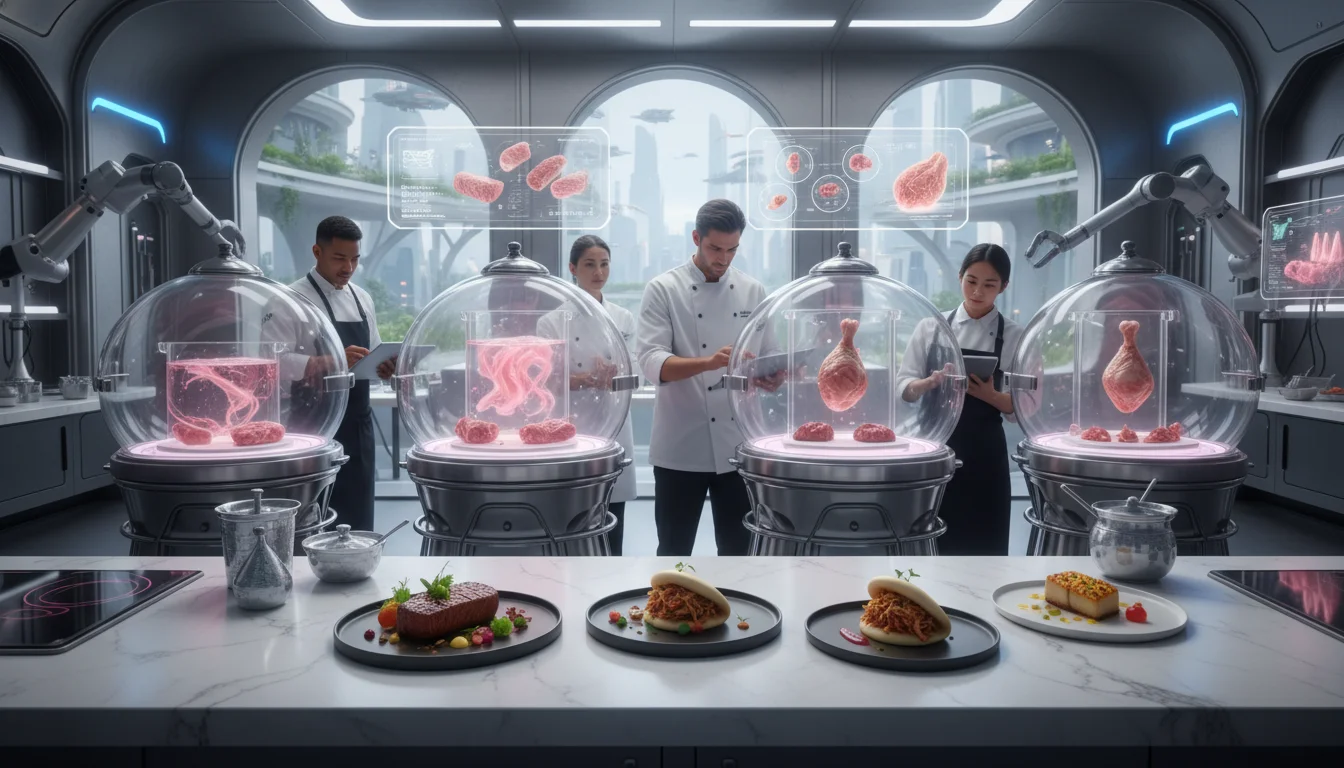
The future of food is here, and it’s growing in a lab. This isn’t science fiction; it’s the burgeoning reality of lab-grown meat, a development poised to redefine our relationship with protein. This technological leap promises a seismic shift, a true lab-grown revolution that could address some of the most pressing global challenges. Imagine a world where delicious, ethically produced meat is accessible without the environmental and animal welfare concerns of traditional agriculture. That world is rapidly taking shape, driven by innovation and a growing demand for sustainable solutions. The implications for our planet, our health, and our palates are profound, marking a significant turning point in how we consume and conceptualize food.
The Science Behind the Steak
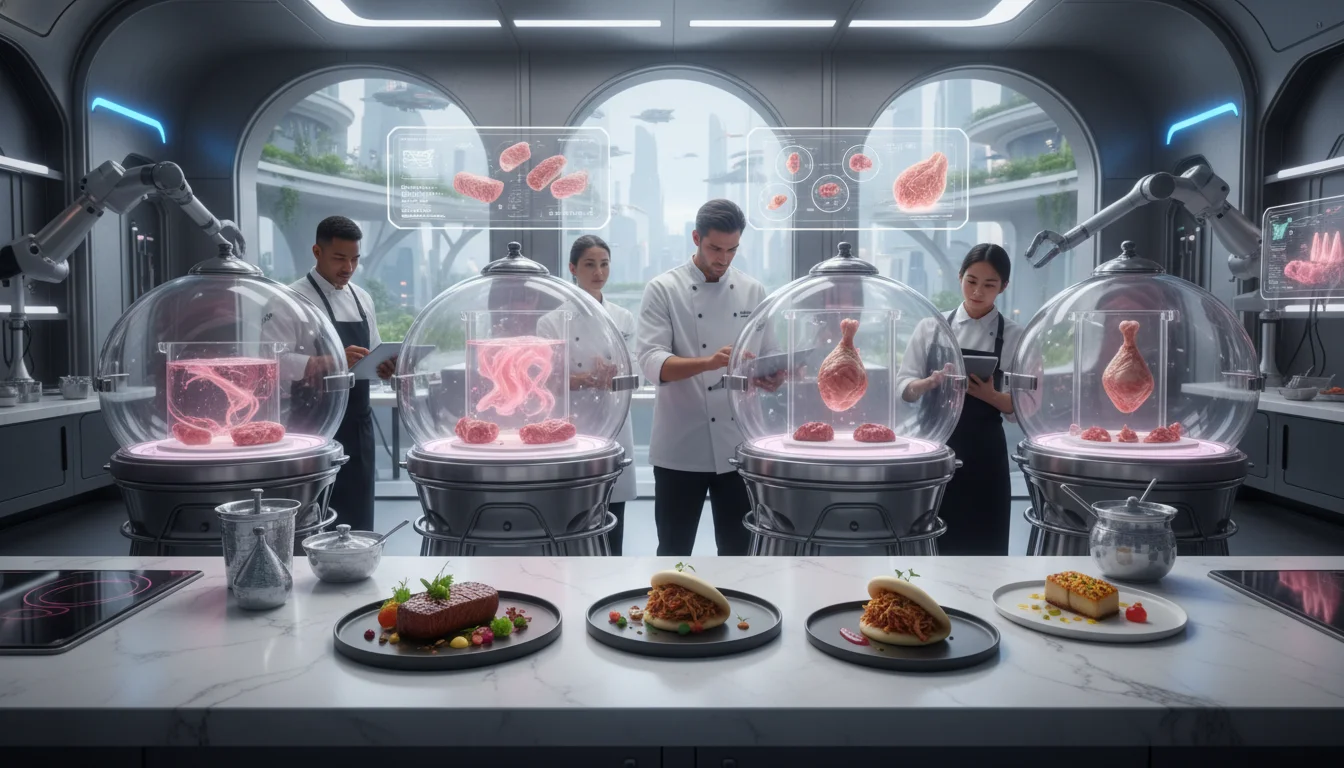
At its core, the process of creating lab-grown meat, often referred to as cultured, cultivated, or cell-based meat, involves taking a small sample of cells from a living animal. This biopsy is painless and requires no harm to the animal. These starter cells are then placed in a nutrient-rich environment, a specialized culture medium, within a bioreactor. Think of it as a highly controlled incubator. The cells are fed a carefully formulated blend of amino acids, vitamins, minerals, and sugars, providing everything they need to grow and multiply. This medium essentially mimics the conditions inside an animal’s body, encouraging the cells to differentiate into various types of muscle tissue. Muscle cells develop into meat fibers, while fat cells contribute to the texture and flavor we associate with traditional cuts. The entire process is designed to replicate the natural growth of animal tissue, but on a much faster and more controlled scale. It’s a testament to scientific ingenuity, turning a few cells into a substantial piece of protein.
From Petri Dish to Plate
The journey from a few cells to a recognizable food product involves several key stages. Initially, the cells are cultivated in a sterile laboratory setting. Once a sufficient quantity of cells has been grown, they are transferred to larger bioreactors. These sophisticated vessels are programmed to optimize temperature, oxygen levels, and nutrient delivery, ensuring rapid and healthy cell proliferation. As the cells multiply, they begin to form tissue. For ground meat products like burgers or sausages, this cultured tissue can be directly processed. However, for more complex cuts like steaks or chicken breasts, the challenge lies in replicating the intricate structure of muscle fibers and fat marbling. Scientists are developing edible scaffolds, often made from plant-based materials, that guide the cells to grow in specific three-dimensional patterns, mimicking the texture and mouthfeel of conventional meat. This is where the real artistry of the lab-grown revolution begins to manifest, moving beyond simple protein to nuanced culinary experiences.
Lab-grown revolution 1
Addressing the Environmental Imperative
The environmental footprint of conventional meat production is undeniable. It’s a major contributor to greenhouse gas emissions, deforestation, water usage, and land degradation. Livestock farming accounts for a significant portion of human-caused methane and nitrous oxide emissions, potent greenhouse gases. Vast tracts of land are cleared for grazing and for growing animal feed, leading to habitat loss and biodiversity decline. Furthermore, the water required to raise animals and produce their feed is staggering. Lab-grown meat offers a compelling alternative. By producing meat in a controlled environment, the land and water requirements are dramatically reduced. Studies suggest that cultivated meat could slash greenhouse gas emissions by up to 96% and reduce land use by 99% compared to traditional beef production. This efficiency is a critical factor in the global effort to combat climate change and build a more sustainable food system. The potential to lessen our impact is enormous.
Ethical Considerations and Animal Welfare
For many, the ethical implications of consuming meat are a significant concern. The conditions in industrial animal agriculture are often criticized for their impact on animal welfare. Lab-grown meat bypasses these issues entirely. Since the cells are sourced from a small biopsy and the meat is grown without raising and slaughtering animals, it offers a compassionate alternative for consumers who wish to reduce or eliminate their consumption of conventionally farmed meat. This ethical advantage is a powerful driver for the lab-grown revolution, appealing to a growing segment of the population seeking to align their dietary choices with their values. It’s about creating protein that is both delicious and ethically sound, a win-win for conscious consumers and the animals themselves.
The Taste and Texture Conundrum
One of the primary questions surrounding lab-grown meat is: does it taste like the real thing? Early iterations faced challenges in perfectly replicating the complex flavor profiles and textures of conventional meat. However, advancements are happening at an astonishing pace. The key to authentic taste lies in accurately recreating the muscle fibers, fat content, and the intricate interactions that occur during cooking. Companies are meticulously refining their culture mediums and growth techniques to produce meat with the same richness, juiciness, and satisfying bite consumers expect. The development of different cell types, including fat cells, is crucial for achieving authentic marbling and flavor release. As the technology matures, the sensory experience of eating lab-grown meat is becoming increasingly indistinguishable from its traditional counterpart. Chefs and food scientists are actively involved in this process, ensuring that the culinary experience is not compromised. This is vital for widespread adoption.
Lab-grown revolution 2
Regulatory Hurdles and Public Perception
Introducing any novel food product to the market involves navigating complex regulatory landscapes. Governments worldwide are grappling with how to classify and approve lab-grown meat. Agencies like the U.S. Food and Drug Administration (FDA) and the European Food Safety Authority (EFSA) are actively reviewing the safety and production processes of these new meats. Transparency in labeling and clear communication about the production methods are crucial for building consumer trust. Public perception is another significant factor. While interest is high, some consumers express reservations about the “unnaturalness” of lab-grown food. Educating the public about the science, safety, and benefits of this technology is essential. Overcoming skepticism and fostering acceptance will be key to the successful integration of lab-grown meat into our diets. This educational push is a vital part of the lab-grown revolution.
The Economic Landscape and Future Accessibility
Currently, the production of lab-grown meat is still relatively expensive, making it a premium product. However, as with many new technologies, economies of scale and further innovation are expected to drive down costs significantly. The goal is to reach price parity with conventional meat, making it accessible to a broader population. Investment in the sector is pouring in, fueling research and development and the scaling up of production facilities. Companies are working on optimizing bioreactor design, reducing the cost of culture mediums, and streamlining the overall manufacturing process. The long-term vision is for lab-grown meat to become a staple in grocery stores and restaurants, offering a sustainable and ethical protein choice for everyone. This economic progression is fundamental to its widespread impact.
Varieties and Culinary Applications
The potential applications of lab-grown meat extend far beyond just beef. Researchers and companies are developing cell-based versions of chicken, pork, lamb, and even seafood. This versatility opens up a world of culinary possibilities. Imagine succulent chicken nuggets, tender pork chops, or delicate fish fillets, all produced sustainably. The controlled nature of the production process also allows for customization. It might be possible to engineer meat with specific nutritional profiles, such as lower saturated fat or higher omega-3 fatty acids. Chefs are already experimenting with these new ingredients, developing innovative recipes that showcase the unique qualities of lab-grown proteins. The integration into existing culinary traditions, as well as the creation of entirely new dishes, is an exciting prospect. This culinary exploration is a vibrant part of the lab-grown revolution.
Lab-grown revolution 3
Challenges and Opportunities Ahead
Despite the immense promise, challenges remain. Scaling up production to meet global demand is a monumental undertaking. Developing cost-effective and sustainable culture mediums is an ongoing area of research. Ensuring consistent quality and safety across different production batches is paramount. Furthermore, the energy requirements for large-scale bioreactor operation need to be addressed to maximize the environmental benefits. However, each challenge presents an opportunity for further innovation. The collaborative efforts of scientists, engineers, entrepreneurs, and policymakers are crucial in overcoming these hurdles. The development of new scaffolding materials, advanced bioreactor designs, and more efficient cell culture techniques will pave the way for a future where lab-grown meat plays a significant role in our food supply. The journey is complex, but the destination is transformative.
The Future of Food is Now
The lab-grown revolution is not a distant dream; it’s a present-day reality unfolding before our eyes. It represents a paradigm shift in how we produce and consume food, offering a tangible solution to some of the most pressing issues facing humanity. From environmental sustainability and animal welfare to food security and nutritional innovation, the potential benefits are vast. As technology advances and costs decrease, lab-grown meat is set to become an increasingly accessible and desirable option for consumers worldwide. This isn’t just about creating meat in a lab; it’s about forging a more ethical, sustainable, and resilient future for food. The culinary landscape is on the cusp of a profound transformation, and lab-grown meat is at its forefront, promising a delicious and responsible future for generations to come.