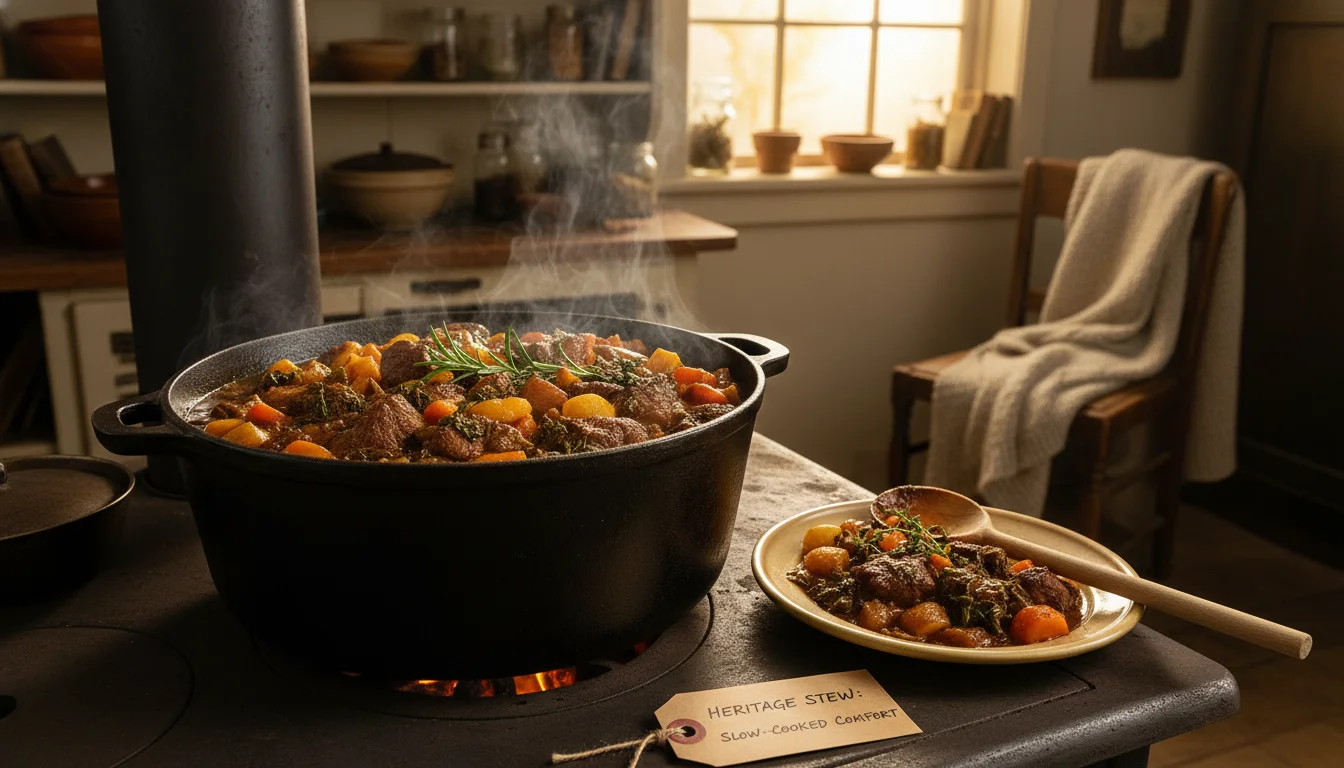
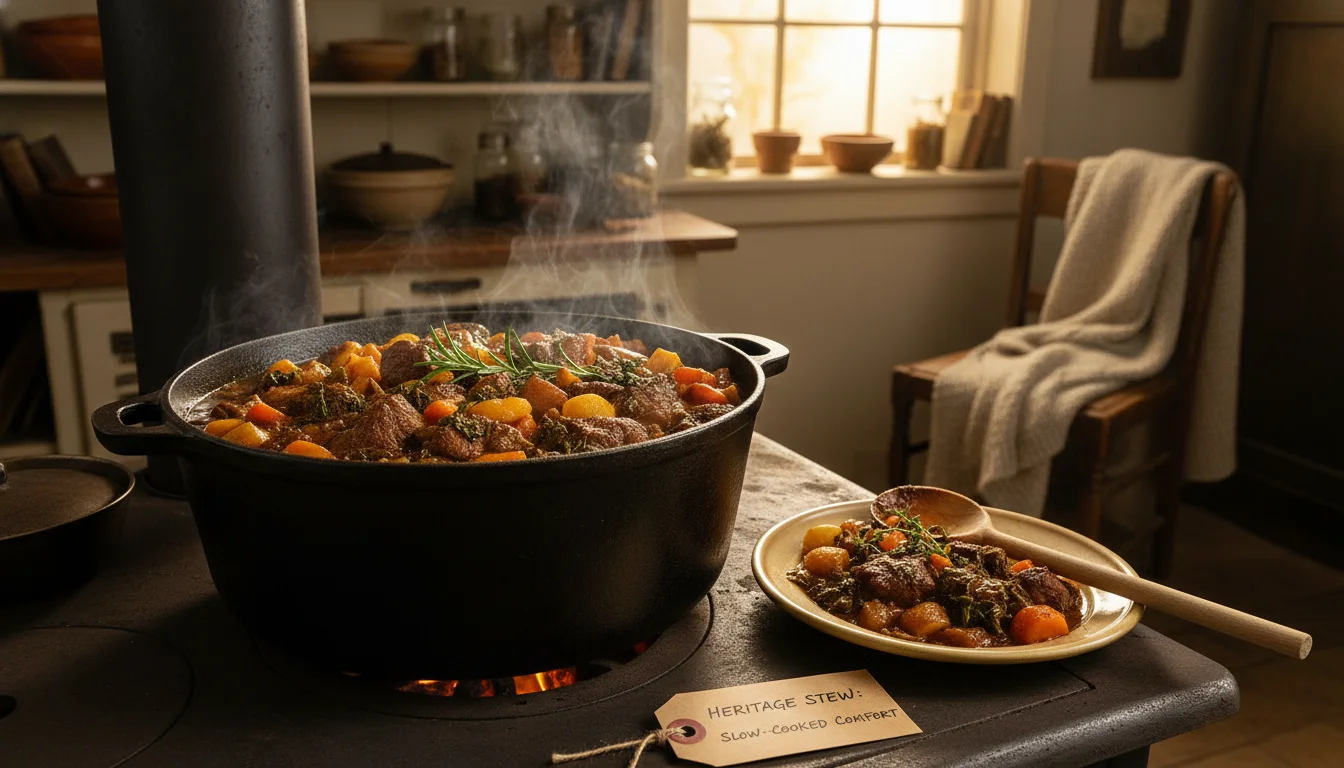
Heritage Stew Secrets Slow-Cooked Comfort Revealed
Imagine a deep, rich aroma wafting from your kitchen, a scent that speaks of tradition and pure comfort. That’s the magic of a truly great stew. It’s more than just food; it’s a hug in a bowl. For years, I’ve chased that perfect stew, the kind that makes everyone at the table sigh with contentment. Turns out, the secret isn’t just in the ingredients, but in the *how*. Let’s uncover those cherished Heritage Stew Secrets together. This isn’t just a recipe; it’s a pathway to creating edible memories. We’re talking about a slow-cooked marvel, designed to impress without demanding constant attention. Forget complicated techniques; this is about building layers of flavor that sing. Honestly, this dish has become a go-to for family gatherings and quiet weeknights alike. It’s that reliable, soul-warming centerpiece.
| Prep Time | 25 minutes |
| Cook Time | 3-4 hours (slow cooker) / 2-2.5 hours (oven) |
| Total Time | 3.5 – 4.5 hours |
| Servings | 6-8 |
| Estimated Calories | ~450-550 per serving (varies with cuts) |
Why You’ll Love These Heritage Stew Secrets
- One-Pot Wonder: Minimal cleanup, maximum flavor. The slow cooking method does all the heavy lifting.
- Deep, Complex Flavors: We build layers of taste through proper searing and slow simmering.
- Incredibly Tender Meat: Fall-apart tender beef or lamb is guaranteed with this patient approach.
- Adaptable & Forgiving: Easily adjust vegetables and spices to your preference. It’s a forgiving dish for beginners.
Ingredients: The Building Blocks of Flavor
Choosing the right components is crucial. Don’t skimp here; good ingredients make a good stew great.
- Beef Chuck Roast or Lamb Shoulder: Around 2-3 pounds, cut into 1.5-inch cubes. This is where the magic starts. These cuts have enough connective tissue that breaks down beautifully during slow cooking, rendering the meat incredibly tender.
- All-Purpose Flour: About 1/4 cup, for dredging the meat. This helps create a crust when searing and thickens the stew later.
- Olive Oil or Vegetable Oil: 2-3 tablespoons. For searing. We need a high smoke point.
- Yellow Onions: 2 medium, roughly chopped. They provide a foundational sweetness.
- Carrots: 3-4 medium, peeled and cut into 1-inch chunks. Adds sweetness and earthy notes.
- Celery Stalks: 2-3, cut into 1-inch chunks. Offers a subtle bitterness that balances richness.
- Garlic: 4-6 cloves, minced. Essential for depth. Don’t be shy!
- Tomato Paste: 2 tablespoons. This concentrated goodness adds umami and a slight tang. It needs to be cooked briefly to develop its flavor.
- Beef Broth or Stock: 4 cups, preferably low-sodium. The backbone of your liquid.
- Red Wine (Optional but Recommended): 1 cup, like a Cabernet Sauvignon or Merlot. Adds significant depth and complexity. If you prefer not to use wine, just add an extra cup of broth.
- Worcestershire Sauce: 1 tablespoon. A secret weapon for umami.
- Dried Thyme: 1 teaspoon. Classic herb for hearty stews.
- Bay Leaves: 2. Remove before serving!
- Salt and Black Pepper: To taste, at multiple stages.
- Optional Additions: Potatoes (Yukon Gold or Russet, cubed), mushrooms (cremini, quartered), peas (frozen, added at the end).
Heritage Stew Secrets 1
Step-by-Step: Mastering the Heritage Stew Secrets
Phase 1: Preparation and Searing
- Pat the cubed meat thoroughly dry with paper towels. This is a critical step for achieving a good sear.
- In a shallow dish, season the flour with salt and pepper. Dredge the meat cubes in the seasoned flour, shaking off any excess.
- Heat 2 tablespoons of oil in a large, heavy-bottomed pot or Dutch oven over medium-high heat. You want it shimmering, not smoking.
- Sear the meat in batches. Do NOT overcrowd the pot. Brown each side deeply, about 2-3 minutes per side. This browning (Maillard reaction) is where so much flavor comes from. Remove seared meat to a plate.
- Add the chopped onions, carrots, and celery to the pot. Cook, stirring occasionally, until softened and lightly browned, about 5-7 minutes. Scrape up any browned bits from the bottom of the pot.
- Add the minced garlic and tomato paste. Cook for another minute, stirring constantly, until fragrant. This toasts the garlic and caramelizes the tomato paste slightly.
Phase 2: Building the Stew
- Pour in the red wine (if using) and scrape the bottom of the pot vigorously to release all those delicious browned bits. Let it simmer and reduce by about half, which takes 2-3 minutes.
- Return the seared meat (and any accumulated juices) to the pot.
- Pour in the beef broth and Worcestershire sauce. Add the dried thyme and bay leaves.
- Season generously with salt and pepper. Remember, the liquid will reduce, so don’t oversalt initially. You can always adjust later.
Phase 3: The Slow Cook
- Bring the stew to a gentle simmer on the stovetop.
- For Slow Cooker: Transfer the entire contents of the pot to a 6-quart slow cooker. Cover and cook on LOW for 6-8 hours, or on HIGH for 3-4 hours, until the meat is fork-tender.
- For Oven: Cover the Dutch oven tightly with its lid. Place in a preheated oven at 325°F (160°C). Cook for 2-2.5 hours, or until the meat is fork-tender.
- If adding potatoes or mushrooms, stir them in during the last 45 minutes to 1 hour of cooking. If adding peas, stir them in during the last 10 minutes.
- Once tender, remove the bay leaves. Taste and adjust seasoning with salt and pepper as needed. The stew should be rich and thick. If it’s too thin, you can simmer it uncovered on the stovetop for a bit to reduce, or thicken with a cornstarch slurry (1 tbsp cornstarch mixed with 2 tbsp cold water, stirred into the simmering stew).
Heritage Stew Secrets 2
The secret to truly tender meat isn’t just time; it’s the initial sear. Don’t rush this step. Getting a deep, dark crust on all sides of your meat before it hits the liquid is paramount for developing that rich, complex flavor and a tender texture that melts in your mouth. Overcrowding the pan is the enemy of a good sear. Be patient, cook in batches, and you’ll be rewarded tenfold.
Variations & Substitutions
This stew is wonderfully adaptable. Feeling adventurous? Try these tweaks.
- Vegetarian/Vegan: Swap the beef for hearty root vegetables like parsnips, sweet potatoes, and extra carrots. Use vegetable broth and omit the Worcestershire sauce or use a vegan alternative. A splash of soy sauce can add umami.
- Spicy Kick: Add a pinch of red pepper flakes with the garlic, or a diced jalapeño when sautéing the vegetables.
- Different Meats: Pork shoulder or lamb shoulder work beautifully. Adjust cooking times slightly as needed.
- Herbs: Fresh rosemary or a sprig of fresh thyme added during the last hour of cooking can be lovely.
Storage & Reheating
This stew is a champion for make-ahead meals. The flavors actually improve overnight!
- Refrigeration: Store cooled stew in an airtight container in the refrigerator for up to 3-4 days.
- Freezing: Once cooled, transfer to freezer-safe containers or bags. It freezes well for up to 3 months.
- Reheating: Gently reheat on the stovetop over low heat, stirring occasionally, until warmed through. You can also reheat individual portions in the microwave. If frozen, thaw overnight in the refrigerator before reheating. You might need to add a splash of broth or water if it seems a bit thick after thawing.
Frequently Asked Questions
Can I use a different cut of beef?
While chuck roast and lamb shoulder are ideal due to their fat and connective tissue content, you can use other tougher cuts that benefit from slow cooking, like brisket. Leaner cuts might become dry.
Why is my stew not thickening?
This usually happens if the meat wasn’t dredged in flour, or if the liquid amount was too high. As mentioned in the instructions, you can thicken it with a cornstarch slurry or by simmering uncovered for a bit longer.
How can I make this stew richer?
A splash of balsamic vinegar at the end of cooking can add a lovely depth. Also, don’t underestimate the power of good quality beef stock; it makes a significant difference.