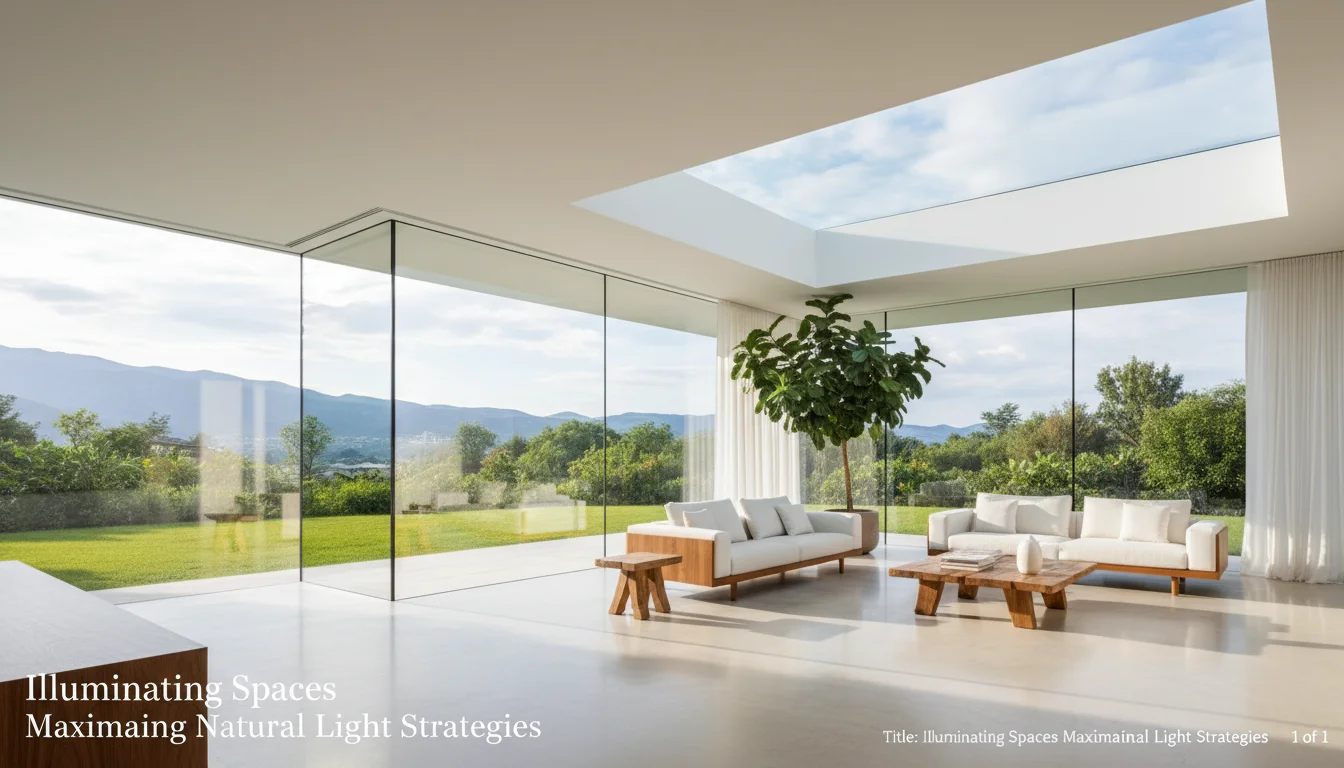
Natural light maximization.
Brightening your home with natural light feels good. It saves energy too. Maximizing natural light is more than just opening curtains; it’s a thoughtful design approach. This strategy transforms spaces, making them feel larger, more welcoming, and healthier. We’ll explore how to achieve this effectively.
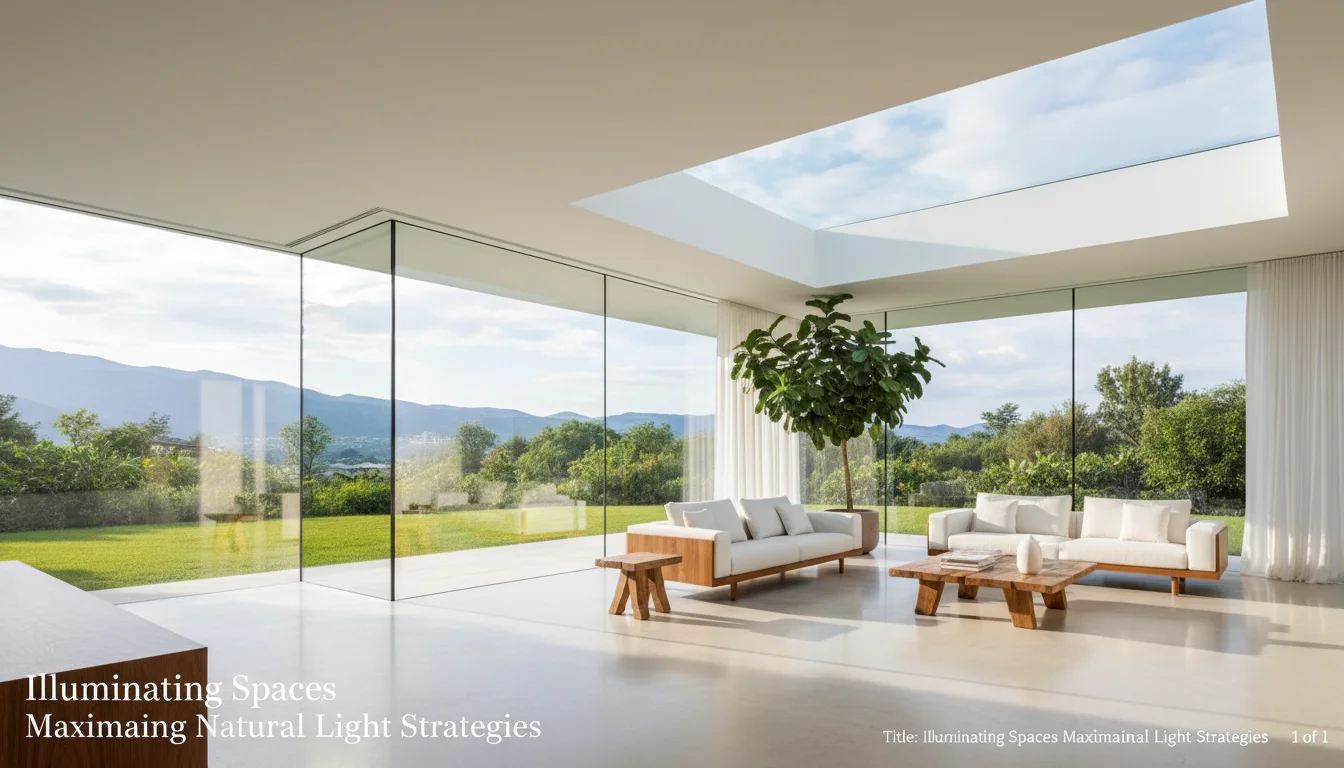
Think about the sun’s path. It moves across the sky all day. Understanding this movement is crucial for effective natural light maximization. Where does the sun hit your house at different times? This knowledge guides every decision, from window placement to furniture arrangement.
Strategic Window Placement
Windows are the primary conduits of daylight. Their size, shape, and location profoundly impact how much natural light enters a room. Consider the orientation of your home. South-facing windows receive the most direct sunlight throughout the day, especially in winter, offering passive solar heating. North-facing windows, conversely, provide softer, more consistent light, ideal for studios or areas where glare is a concern. East-facing windows capture the morning sun, bringing warmth and light early in the day, while west-facing windows get intense afternoon sun, which can sometimes lead to overheating and glare. Thus, careful planning of window placement is a fundamental aspect of natural light maximization.
Beyond basic orientation, the type of window matters. Large, expansive windows, like floor-to-ceiling glass or bay windows, obviously let in more light. However, even smaller, well-placed windows can make a significant difference. Clerestory windows, positioned high on a wall, can bring light deep into a room without compromising privacy. Skylights and sun tunnels are excellent solutions for interior spaces or rooms with limited exterior wall access. They channel sunlight directly downwards, illuminating even the darkest corners. Each choice should be weighed against the room’s function and the desired atmosphere. For instance, a bedroom might benefit from softer, diffused light, while a kitchen might need brighter illumination for tasks. The goal is always to balance light quantity with quality, ensuring comfort and usability. This careful consideration is key to successful natural light maximization.
Natural light maximization 1
The Power of Reflective Surfaces
Once light enters your space, how it bounces around is just as important as how much enters. Reflective surfaces act like mirrors for daylight, bouncing it further into the room and making the space feel brighter and more open. This is a simple yet incredibly effective technique for natural light maximization. Light-colored walls and ceilings are the most obvious choices. Whites, creams, and pale pastels have a high light reflectance value (LRV), meaning they bounce back a significant percentage of the light that hits them. This creates a luminous effect, pushing daylight deeper into the room and minimizing shadows. Imagine a dark room suddenly feeling airy and bright simply by repainting the walls. It’s a dramatic transformation achieved through a basic principle of physics.
The choice of flooring also plays a role. Light-colored wood floors, polished concrete, or even light-colored tiles can contribute to the overall brightness of a space. Avoid dark, matte finishes that absorb light. Consider the sheen of your finishes as well. A satin or eggshell finish on walls will reflect more light than a matte finish. Even the furniture you choose can impact light reflection. Opt for lighter-colored upholstery, tables with glass or polished metal surfaces, and decorative items that are lighter in tone. Mirrors are perhaps the most powerful tool for reflecting light. Strategically placed mirrors can double the perceived light in a room, especially when positioned opposite a window. A large mirror can mimic a window, creating an illusion of depth and significantly enhancing the effect of natural light maximization. The cumulative effect of these reflective elements can turn a dim space into a radiant one. It’s about making the most of every ray of sunshine that finds its way inside.
Optimizing Layout and Furniture Arrangement
The way you arrange your furniture and design your room’s layout has a direct impact on light flow. Tall, bulky furniture can act as barriers, blocking precious daylight from reaching the interior of a room. This is where smart spatial planning becomes crucial for natural light maximization. Think about sightlines. Can light travel unimpeded from the windows to the far corners of the room? Placing lower-profile furniture near windows allows light to enter and spread more freely. For instance, a low-slung sofa or a sleek console table beneath a window will have less impact than a tall bookshelf. If you have larger pieces of furniture, try to position them perpendicular to windows rather than directly in front of them. This allows light to flow past them and into the room.
Natural light maximization 2
Consider the function of each area within a room. If you have a reading nook, ensure it’s positioned where it can receive ample natural light. If you have a workspace, orient your desk so that the light falls on it from the side, avoiding glare on your computer screen. Open-plan layouts naturally promote better light distribution, as there are fewer walls to obstruct the passage of daylight. However, even in smaller, more compartmentalized spaces, thoughtful arrangement can make a difference. Using furniture with legs, such as sofas and tables, creates a sense of airiness and allows light to pass underneath, further contributing to the feeling of spaciousness and light. Built-in furniture, if designed with light in mind, can also be beneficial. The aim is to create pathways for light, ensuring it doesn’t get trapped or blocked by obstacles. This intelligent use of space is a key component of effective .
The Role of Window Treatments
Window treatments, while often installed for privacy or to control heat, can significantly influence the amount and quality of natural light entering a space. Choosing the right coverings is vital for successful . Heavy, dark drapes can completely block daylight when closed, rendering windows mere decorative elements. On the other hand, sheer or light-filtering curtains allow light to pass through while still offering a degree of privacy. These are excellent for rooms that receive intense direct sunlight, as they diffuse the light, reducing glare and preventing harsh shadows. Roller blinds made from light-colored, translucent materials can also be very effective. They offer flexibility, allowing you to adjust the amount of light entering the room throughout the day.
For windows that require more light control, consider layering. A combination of sheer curtains for diffused light and blackout blinds for complete darkness when needed provides the best of both worlds. This approach allows you to tailor the light conditions to your specific needs at any given time. Venetian blinds, with their adjustable slats, offer precise control over the direction and intensity of incoming light. By angling the slats upwards, you can direct sunlight towards the ceiling, allowing it to bounce deeper into the room. Plantation shutters also offer excellent adjustability. Their louvers can be tilted to manage light and airflow. When selecting window treatments, always consider the fabric or material’s ability to transmit or reflect light. Materials with a higher LRV will contribute more to overall brightness. The goal is to embrace natural light, not to obstruct it unnecessarily. Smart window treatments are a powerful ally in the quest for .
3
Interior Design Choices That Enhance Light
Beyond the obvious, numerous interior design choices can subtly, yet powerfully, amplify the impact of natural light. These are the fine-tuning elements of . Think about the details. The finish of your doors and trim matters. A semi-gloss or satin finish on interior doors and window frames will reflect more light than a matte finish. Even the color of your internal doors can contribute; light colors will help bounce light down hallways. Consider the design of your internal doors. If you have solid, heavy doors, replacing them with ones that feature glass panels can allow light to travel between rooms, making adjacent spaces feel brighter. Frosted or textured glass can offer privacy while still permitting light passage.
The materials you choose for decorative items are also important. Metallic finishes, such as polished brass, chrome, or brushed nickel, reflect light beautifully. A strategically placed metallic lamp, picture frame, or decorative bowl can catch and redirect daylight, adding sparkle to a room. Even the choice of artwork can play a role. Lighter, more abstract pieces tend to feel less visually heavy than dark, detailed scenes, and they can contribute to an overall brighter aesthetic. When selecting rugs, opt for lighter colors and patterns. Dark, heavy rugs can absorb light and make a room feel smaller and dimmer. Ultimately, every element in a room should be considered for its light-enhancing potential. This holistic approach ensures that is integrated into the very fabric of your home’s design. It’s about creating a cohesive environment where light is encouraged to flow and flourish.
Maintaining and Cleaning for Optimal Light
It might seem basic, but keeping your windows and surfaces clean is a surprisingly effective strategy for maintaining . Over time, dust, grime, and streaks can accumulate on windowpanes, significantly reducing the amount of light that can penetrate your home. Think of it like wearing dirty glasses; everything looks dimmer. Regular cleaning ensures that the light has a clear path. This simple act of maintenance is often overlooked but yields immediate and noticeable results. A clean window lets in more light than a dirty one, it’s that straightforward. This applies to both the interior and exterior surfaces of your windows. Don’t forget the glass in doors, skylights, and any other architectural features that allow light in.
4
Furthermore, keeping reflective surfaces clean is equally important. Dust on mirrors, light-colored walls, and glossy furniture can dull their reflective qualities. A quick wipe-down with a microfiber cloth can restore their sheen and their ability to bounce light. Consider the light fixtures in your home. While the focus is on natural light, well-maintained artificial lighting can complement and extend the daylight hours. Ensure lampshades are clean and that bulbs are not old and dim. Sometimes, the most effective strategies are the simplest. Consistent, basic upkeep ensures that the efforts you’ve made in design and layout are not undermined by neglect. This attention to detail is crucial for sustained . It ensures your home remains bright and inviting throughout the year.
Smart Technology and Light Control
Modern technology offers sophisticated ways to manage and enhance natural light, taking to a new level. Smart home systems can automate lighting, but they can also be programmed to optimize natural light. For example, smart blinds can be set to open and close at specific times based on the sun’s position or internal light sensors. This ensures that light is let in when it’s beneficial and blocked when it might cause glare or overheating. Imagine your blinds automatically adjusting as the sun moves across the sky, maintaining a consistent level of illumination throughout the day. This level of control is truly transformative. Sensors can detect ambient light levels and adjust artificial lighting accordingly, dimming or switching off lights when sufficient natural light is present, thus saving energy.
Automated window treatments can also be controlled remotely via smartphone apps, offering flexibility and convenience. This means you can adjust the light in your home even when you’re not there. Some advanced systems integrate with weather forecasts, anticipating sunny days and preparing the home’s light management accordingly. Beyond blinds, consider smart glass technology. Electrochromic glass, for instance, can change its tint from clear to dark at the flick of a switch or automatically based on pre-set conditions. This offers unparalleled control over light and heat gain without the need for physical window coverings. While these technologies can represent a higher initial investment, the long-term benefits in energy savings, comfort, and enhanced living environment make them a compelling option for serious . They represent the cutting edge of creating intelligent, light-filled spaces.