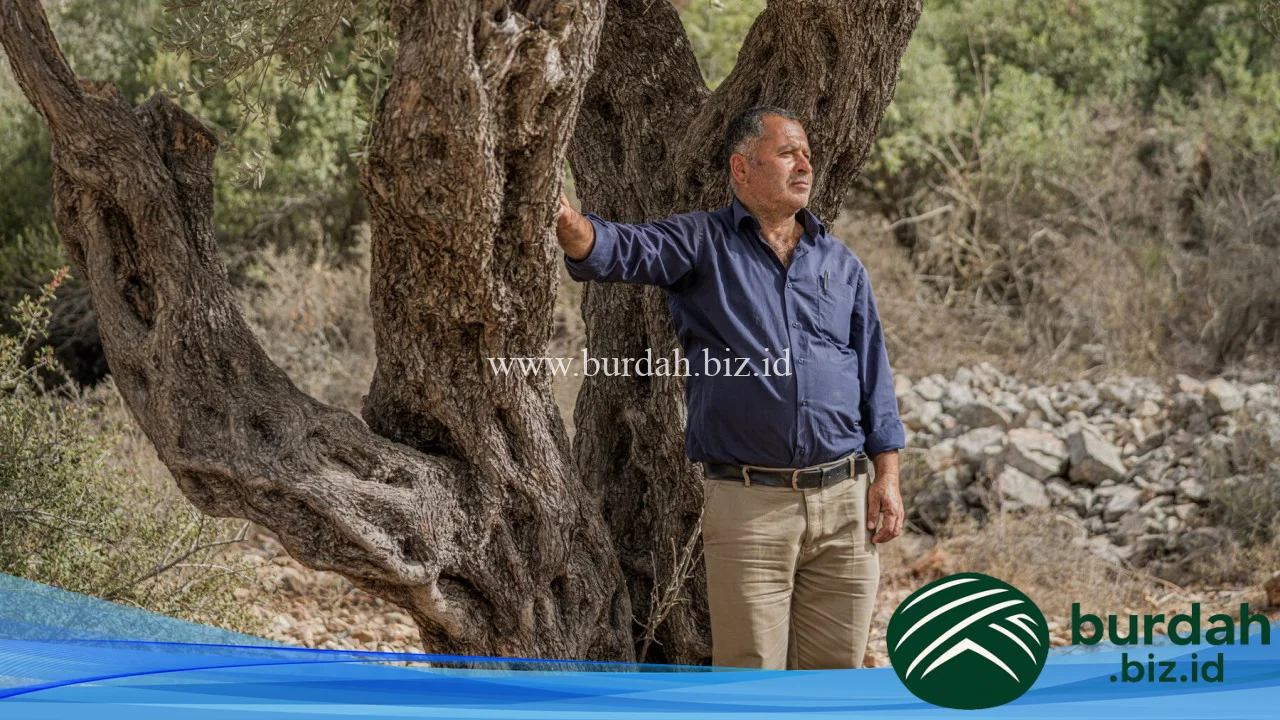
Palestinian communities across the West Bank face increasing pressure to abandon their homes and agricultural lands. This displacement, documented by numerous human rights organizations, is often directly linked to the growth of Israeli settlements and a rise in settler-related activities. The situation creates a coercive environment that many families find impossible to withstand. They are leaving. This is not a choice.
The Drivers of Displacement
The process of displacement is rarely a single event. It is a slow, grinding pressure built from multiple sources. For families in rural areas, particularly in what is known as Area C of the West Bank, the challenges are constant. Israeli authorities frequently issue demolition orders against Palestinian-owned structures, including homes, animal shelters, and water cisterns, citing a lack of building permits. Obtaining these permits is a notoriously difficult, and often impossible, process for Palestinians.
Access to land is another critical factor. The expansion of settlement boundaries and the creation of unauthorized outposts often cut off Palestinian farmers and herders from their traditional grazing areas and water sources. This severs their economic lifeline. The result is a systematic erosion of their ability to sustain a living from the land their families have worked for generations.
- Demolition Orders: Structures built without Israeli-issued permits are targeted for demolition.
- Access Restrictions: Fencing, checkpoints, and settlement zones block entry to vital agricultural land.
- Resource Denial: Palestinians are often prevented from accessing water springs and other natural resources appropriated by nearby settlements.
- Settler Violence: Intimidation and physical attacks create an atmosphere of constant fear.
A Spike in Settler Violence
Human rights groups on the ground have documented a significant increase in violence perpetrated by Israeli settlers against Palestinians. These are not random acts. The attacks appear systematic, targeting olive groves during harvest season, poisoning livestock, and physically assaulting farmers and their families. This violence often occurs with impunity, as Israeli security forces are frequently criticized for failing to intervene or properly investigate the incidents.
This pattern of harassment and violence serves a clear purpose. It makes daily life untenable. When a family fears for their children’s safety just to walk to school, or when a farmer risks being attacked while tending his fields, the pressure to relocate becomes immense. Many eventually leave their villages, seeking relative safety in more populated Palestinian towns and abandoning their property and way of life.
“The creation of a coercive environment through violence, intimidation, and land appropriation is a primary tool in forcing the transfer of populations. We have seen entire communities emptied out as a direct result of this unbearable pressure,” stated a recent report by a prominent human rights organization.
International Law and the Status of Settlements
The legal context for this situation is a point of major international contention. The vast majority of the international community, including the United Nations and the International Court of Justice, considers Israeli settlements in the occupied West Bank to be illegal under international law. Specifically, they are seen as a violation of the Fourth Geneva Convention, which prohibits an occupying power from transferring its own civilian population into the territory it occupies.
The Israeli government disputes this interpretation. It maintains a legal and historical claim to the territory and continues to approve the construction of thousands of new housing units within existing settlements, while also retroactively legalizing previously unauthorized outposts. This policy of expansion is seen by many observers as the primary obstacle to a two-state solution, as it fragments Palestinian territory and makes the creation of a viable, contiguous Palestinian state increasingly difficult. The displacement of local populations is a direct consequence of this ongoing policy, altering the demographic reality on the ground block by block.