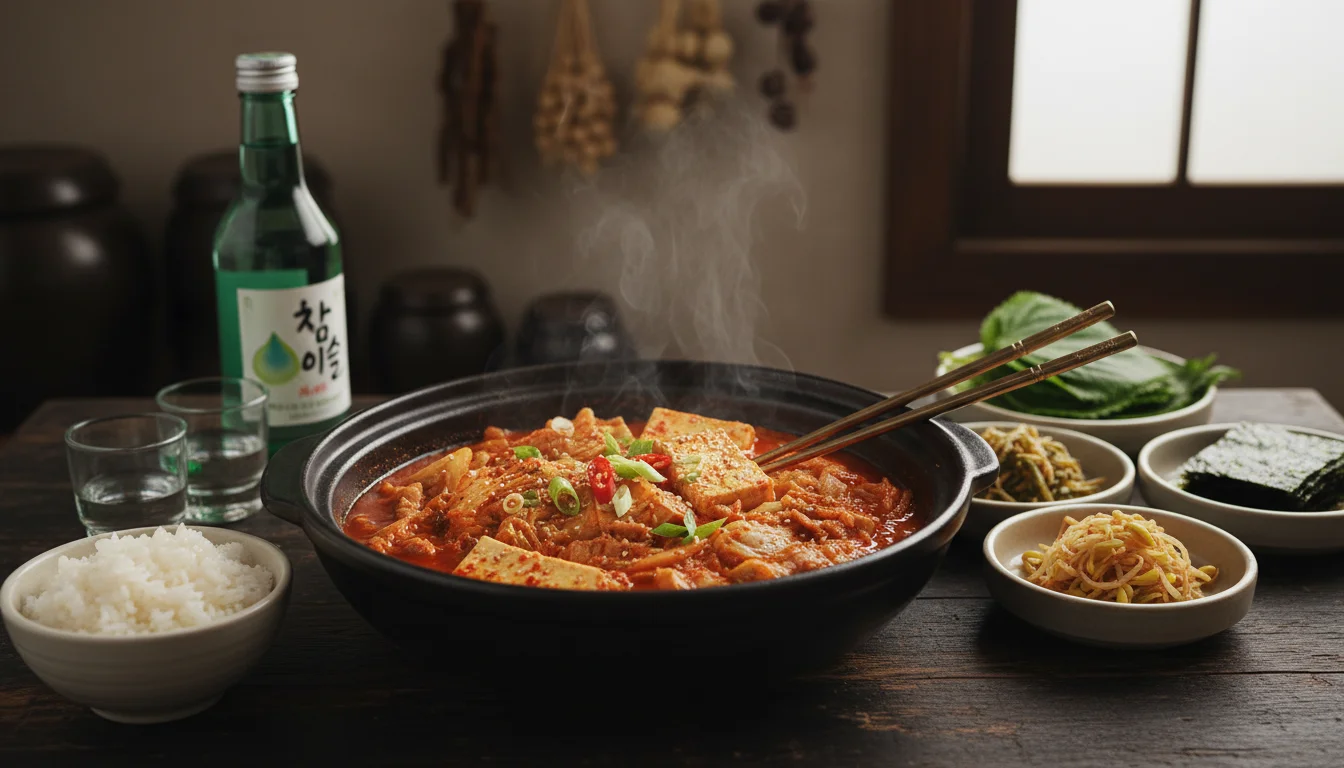
Imagine a steaming bowl, the rich, fermented aroma of kimchi hitting you first. Then, that first spoonful. It’s a fiery dance on your tongue, a comforting warmth spreading through you. This isn’t just any stew; this is the authentic Spicy Kimchi Stew, or Kimchi Jjigae, a cornerstone of Korean home cooking. It’s the kind of dish that makes a cold evening feel like a warm hug. My grandmother used to make this every Sunday, a bubbling pot of pure comfort. Turns out, perfecting this iconic dish is surprisingly approachable.
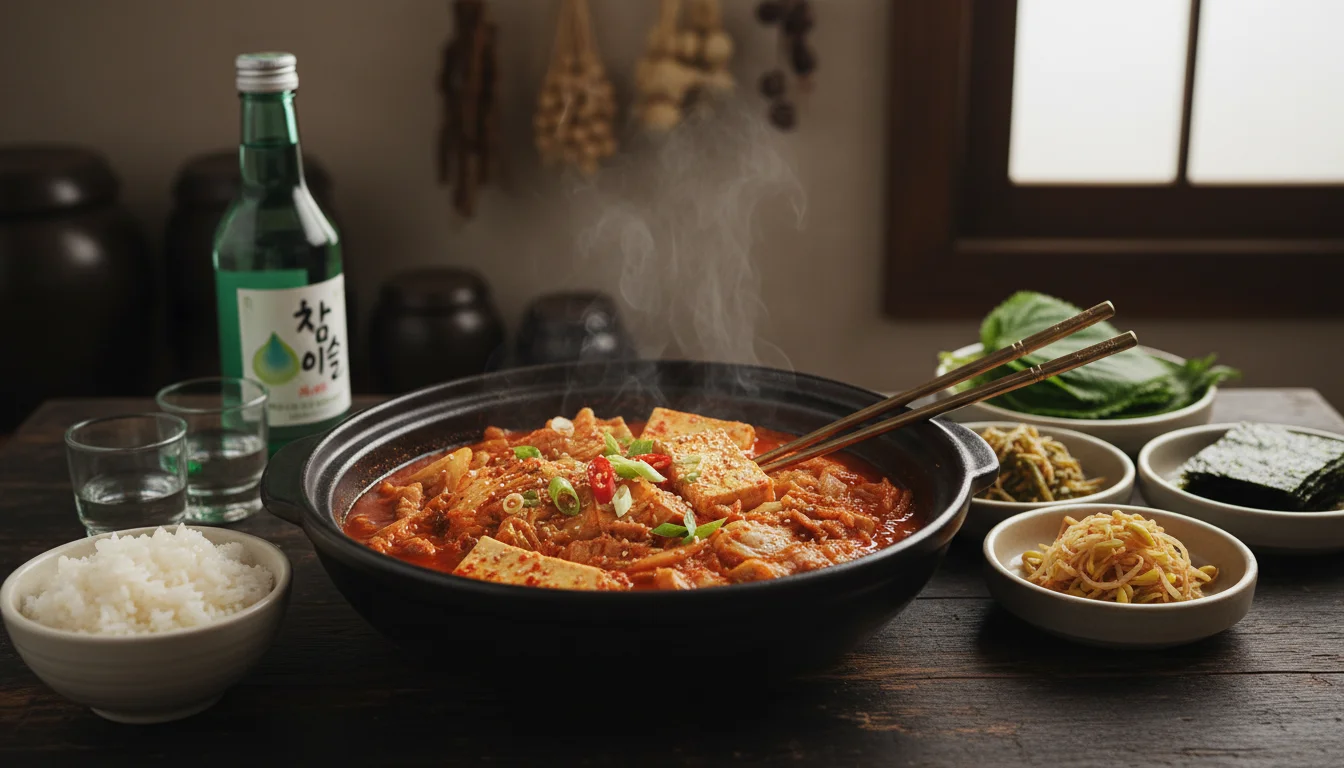
Kimchi Jjigae: Spicy Korean Fermented Cabbage Stew
| Prep Time | Cook Time | Total Time | Servings | Calories (Est.) |
|---|---|---|---|---|
| 15 minutes | 30 minutes | 45 minutes | 2-3 | 350-450 per serving |
Why This Kimchi Jjigae Recipe Reigns Supreme
- Authentic Flavor, Simplified: We capture that deep, complex fermentation taste without needing obscure ingredients.
- One-Pot Wonder: Minimal cleanup is always a win. Everything cooks together beautifully.
- Customizable Heat: Easily adjust the spice level to your personal preference.
- Quick & Satisfying: Perfect for a weeknight meal when you crave something hearty and flavorful.
Ingredients: The Heart of Your Kimchi Jjigae
The magic of Kimchi Jjigae lies in its core ingredients. Using the right ones makes all the difference. It’s about quality and a touch of intuition.
- Aged Kimchi: This is non-negotiable. You need kimchi that’s fermented for at least a few weeks, ideally a month or more. The sourer, the better. It provides the essential tangy depth. Fresh kimchi won’t give you that signature flavor.
- Pork Belly or Shoulder: Fatty cuts are key. They render down, adding richness and a savory foundation to the broth. If you’re vegetarian, firm tofu is an excellent substitute.
- Gochugaru (Korean Chili Flakes): This is crucial for color and a specific kind of heat. Use a good quality gochugaru for the best results. Different grinds exist; a medium grind is usually ideal for stews.
- Gochujang (Korean Chili Paste): Adds another layer of savory, spicy, and slightly sweet complexity. A little goes a long way.
- Kimchi Brine: Don’t discard that tangy liquid from the kimchi jar! It’s liquid gold for this stew.
- Anchovy or Kombu Broth: For an authentic umami boost. You can use store-bought low-sodium vegetable or chicken broth as a shortcut, but homemade is always superior.
- Garlic and Onion: The aromatic base. Fresh is best for that pungent kick.
- Tofu: Silken or medium-firm tofu adds a soft texture that soaks up all the delicious broth.
- Scallions: For a fresh, oniony finish.
Spicy Kimchi Stew 1
Crafting Your Perfect Spicy Kimchi Stew
Phase 1: Building the Flavor Base
- If using pork belly, slice it into bite-sized pieces, about 1/2 inch thick.
- In a medium-sized pot or Korean earthenware pot (ttukbaegi), add the sliced pork belly. Cook over medium heat, stirring occasionally, until the pork is lightly browned and some of its fat has rendered. This step is important for flavor.
- Add the chopped aged kimchi to the pot with the pork. Stir and cook for about 5-7 minutes, allowing the kimchi to soften and meld with the pork fat.
- Stir in the minced garlic, gochugaru, and gochujang. Cook for another minute until fragrant. This toasts the chili flakes and paste, intensifying their flavor.
Phase 2: Simmering to Perfection
- Pour in the kimchi brine and the anchovy or kombu broth (or your chosen alternative).
- Bring the stew to a boil, then reduce the heat to low. Cover and let it simmer gently for at least 20 minutes. This allows the flavors to meld beautifully. The longer it simmers, the deeper the taste.
- While the stew simmers, prepare your tofu. If using firm or medium-firm tofu, slice it into 1-inch cubes. If using silken tofu, you can gently break it apart into larger chunks.
- Add the tofu to the simmering stew. Continue to cook for another 5-10 minutes, until the tofu is heated through and has absorbed some of the broth’s flavor.
Phase 3: Finishing Touches
- Taste the stew. Adjust seasoning with a pinch of salt or a touch more gochugaru if needed. Sometimes, a tiny splash of soy sauce can enhance the savoriness, but be careful not to overpower the kimchi’s natural tang.
- Stir in most of the chopped scallions, reserving some for garnish.
- Ladle the hot Kimchi Jjigae into bowls. Garnish with the remaining fresh scallions. Serve immediately with a side of steamed rice.
Spicy Kimchi Stew 2
The single most critical factor for amazing Kimchi Jjigae is aged, sour kimchi. If your kimchi is too fresh, the stew will lack that essential tangy depth. Don’t be afraid to use kimchi that’s been sitting in your fridge for a month or more. It’s precisely what this dish craves.
Variations and Substitutions
This dish is wonderfully adaptable. Don’t hesitate to make it your own.
- Vegetarian/Vegan Kimchi Jjigae: Omit the pork entirely. Start by sautéing aromatics like onions and mushrooms in a bit of sesame oil. Use vegetable broth and add firm or extra-firm tofu. Some people like to add a bit of seaweed for extra umami.
- Spicy Kick: For extra heat, add a fresh sliced jalapeño or a bit of finely chopped fresh chili pepper along with the kimchi.
- Seafood Twist: Add clams, mussels, or shrimp during the last 10 minutes of simmering for a delicious seafood variation.
- Richer Broth: If you have it, a splash of fish sauce or a bit of dried anchovy powder can boost the broth’s complexity.
Storage and Reheating
Leftover Kimchi Jjigae is often even better the next day as the flavors continue to meld.
- Storage: Allow the stew to cool completely. Store it in an airtight container in the refrigerator for up to 3-4 days.
- Reheating: Reheat gently on the stovetop over low heat or in the microwave. You might need to add a splash of water or broth if it has become too thick.
Frequently Asked Questions
Is Kimchi Jjigae supposed to be very sour?
Yes, a pronounced tanginess is characteristic of authentic Kimchi Jjigae. This sourness comes from the fermentation process of the kimchi. If your stew isn’t sour enough, it likely means your kimchi wasn’t aged sufficiently.
Can I use fresh kimchi in this recipe?
While you can technically make a stew with fresh kimchi, it won’t have the characteristic deep, sour flavor that defines Kimchi Jjigae. You’ll end up with something more like a spicy cabbage soup. Always aim for well-fermented, sour kimchi.
How do I make my Kimchi Jjigae spicier?
The primary source of heat is gochugaru and gochujang. To increase the spice level, add more gochugaru. You can also incorporate fresh chilies like Korean Cheongyang peppers or jalapeños. For a different kind of heat, a touch of sriracha can be added, though it alters the traditional flavor profile slightly.