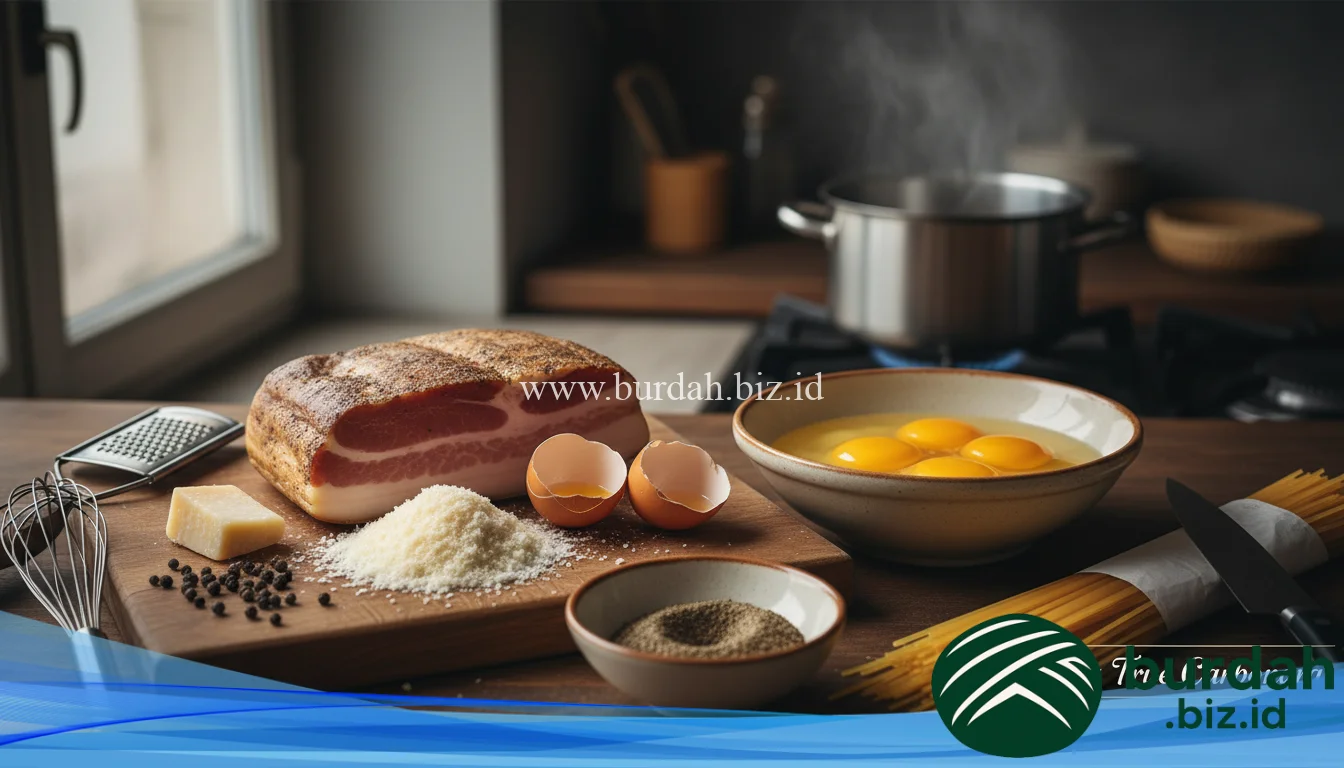
Forget everything you think you know about Carbonara. That heavy, cream-laden sauce you find in most restaurants? It’s an imposter. A real Roman Carbonara is something else entirely. It’s a masterpiece of simplicity. Imagine a silky, gloriously rich sauce that coats every single strand of pasta, created not with cream, but with the magic of emulsified egg yolks, sharp Pecorino Romano cheese, and starchy pasta water. The flavor is punctuated by crispy, salty jewels of rendered guanciale and a sharp bite of black pepper. This is the real deal. It’s primal, powerful, and ready in under 30 minutes.
This isn’t just a recipe; it’s a technique. Once you master it, you’ll understand why Romans are so fiercely protective of their signature dish. Let’s make it right.
| Prep Time | 10 minutes |
| Cook Time | 15 minutes |
| Total Time | 25 minutes |
| Servings | Serves 4 |
| Estimated Calories | ~650 kcal per serving |
Why This Is The Only Carbonara Recipe You Need
- Absolutely Authentic: We’re using the five true Roman ingredients. No cream. No garlic. No onions. This is the pure, unadulterated Real Roman Carbonara experience.
- Shockingly Fast: The sauce comes together in the time it takes to cook the pasta. It’s the perfect high-impact weeknight dinner that tastes like you spent hours on it.
- The “Creamy” Sauce Secret: You will learn the fundamental technique of creating an emulsion with egg, cheese, and pasta water that results in a sauce so creamy, your guests will swear you used heavy cream.
- Minimal Ingredients, Maximum Flavor: This dish is proof that you don’t need a long list of ingredients to create something truly spectacular. It’s all about quality and technique.
The Sacred Ingredients for True Carbonara
In a dish this simple, there is no room to hide. Ingredient quality is everything. Let’s be real, if you substitute, you’re making a different (and lesser) pasta dish, not Carbonara.
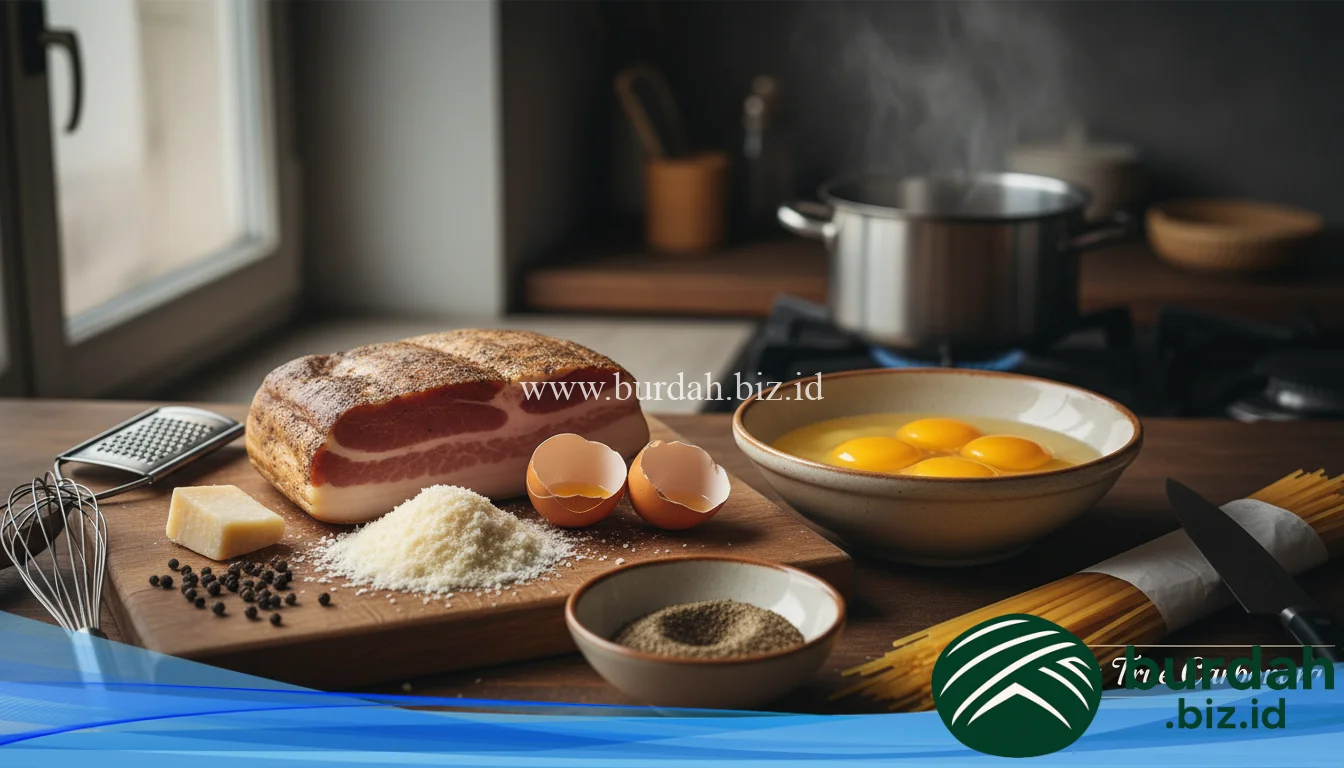
- Guanciale: This is non-negotiable. Guanciale is cured pork jowl, and its fat renders in a way that is completely unique, providing the foundational flavor of the dish. Do not use bacon or pancetta. They are smoked or cured differently and will not taste the same. You need about 150g (5-6 ounces), cut into small strips or cubes.
- Pecorino Romano: The one and only cheese for Carbonara. It’s a hard, salty Italian cheese made from sheep’s milk. Its sharp, tangy flavor is essential to cut through the richness of the egg and pork fat. Use a freshly grated block of high-quality Pecorino Romano DOP. No pre-shredded bags, please.
- Eggs: Fresh, high-quality large eggs are key. For an extra-rich and golden sauce, I use 2 whole eggs and 2 additional egg yolks for four servings. The yolks are what create that incredible velvety texture.
- Black Pepper: This is a main ingredient, not a garnish. You need a generous amount of freshly and coarsely ground black pepper. The spice is essential to balance the dish’s richness.
- Pasta: A good quality dry pasta is a must. Spaghetti is traditional, but Rigatoni or Mezzi Maniche are also excellent as their ridges capture the sauce beautifully. Look for a brand that uses bronze dies, as it creates a rougher texture for the sauce to cling to.
Real Roman Carbonara 1
Step-by-Step Instructions for a Perfect Real Roman Carbonara
Read through these steps before you begin. The final stage moves very quickly, so having everything prepared (mise en place) is critical for success.
Step 1: Prepare the Guanciale and Pasta Water
- Bring a large pot of water to a rolling boil. Once boiling, salt it generously. It should taste like the sea. This is your only chance to season the pasta itself.
- While the water heats, place your diced guanciale in a large, cold skillet or pan. Turn the heat to medium-low.
- Let the guanciale render slowly. You are not trying to brown it quickly. You want to gently melt the fat out until the meat becomes golden and crispy. This should take about 10-15 minutes.
- Once crispy, turn off the heat. Using a slotted spoon, remove the guanciale pieces to a small bowl, leaving the rendered liquid gold (the fat) in the pan.
Step 2: Create the Egg and Cheese Base
- In a medium-sized bowl, whisk together the 2 whole eggs and 2 egg yolks until just combined. Don’t over-whip them.
- Add about 1 cup (100g) of the finely grated Pecorino Romano cheese and a very generous amount of coarsely ground black pepper.
- Mix everything together with a fork until it forms a thick, paste-like consistency. This is the heart of your sauce. Set it aside.
Step 3: Cook the Pasta & The Final Assembly
- Drop your pasta into the boiling salted water. Cook according to package directions, but aim for very *al dente*—about 1-2 minutes less than the box says. It will finish cooking in the pan.
- Just before draining the pasta, scoop out about 1-2 cups of the starchy pasta water. This water is crucial for the sauce.
- Drain the pasta (do not rinse it!) and immediately add it to the skillet with the rendered guanciale fat. Toss vigorously to coat every piece of pasta with the flavorful fat. The pan should be warm from the residual heat, but the stove should be OFF.
- Now, the critical part. Working quickly, pour the egg and cheese mixture over the hot pasta. Immediately begin tossing and stirring with tongs or a pasta fork.
- Add a small splash (about 1/4 cup) of the hot pasta water and continue to stir vigorously. The heat from the pasta and the water will cook the eggs gently, and the starch in the water will emulsify with the fat and cheese to create a creamy, glossy sauce. If it seems too thick, add another splash of pasta water until it reaches your desired consistency.
- Toss in the crispy guanciale pieces, saving a few for garnish. Give it one final toss.
- Serve immediately in warm bowls. Garnish with another sprinkle of Pecorino Romano and a final grind of black pepper.
Real Roman Carbonara 2
Chef’s Tips for Flawless Carbonara
The mortal enemy of Carbonara is scrambled eggs. The single most important rule is to combine the pasta and the egg mixture OFF THE HEAT. The residual heat of the pasta and the pan is more than enough to cook the eggs into a creamy sauce. If your pan is over a flame, you will make spaghetti with breakfast eggs. Trust the process. Warm pan, hot pasta, no direct flame.
Variations & Substitutions
Honestly, the best version is the one above. This is a dish defined by its ingredients. Changing them means you’re no longer making Carbonara.
- If You Absolutely Cannot Find Guanciale: You can use a high-quality, unsmoked pancetta. It will be different—less complex and funky—but it’s the closest acceptable substitute. Do not use American-style smoked bacon.
- Cheese: Some recipes outside of Rome use a mix of Pecorino and Parmigiano-Reggiano. While not strictly traditional, Parmigiano is a bit milder and less salty. If you find Pecorino too strong, you could try a 50/50 mix, but I urge you to try the full Pecorino version first.
Storage & Reheating
Let’s be direct. Carbonara is a dish best eaten the second it is made. It waits for no one.
- Fridge: If you must store leftovers, place them in an airtight container for up to 2 days. The sauce will lose its creamy texture and congeal.
- Reheating: The sauce will likely break. The best method is to place the pasta in a pan over very low heat with a tablespoon of water. Stir gently until just warmed through. Do not microwave it unless you want a rubbery, oily mess. It will never be as good as it was fresh.
Frequently Asked Questions about Real Roman Carbonara
Why did my sauce turn into scrambled eggs?
Your pan was too hot. The key is to take the pan completely off the stove before adding the egg mixture. The residual heat from the pasta and the pan itself is all you need to cook the eggs into a creamy sauce. Direct heat is the enemy.
Can I use Parmesan instead of Pecorino Romano?
You can, but it won’t be authentic Carbonara. Pecorino Romano is made from sheep’s milk and has a distinctly sharp, salty, and tangy flavor that is fundamental to the dish. Parmigiano-Reggiano is made from cow’s milk and is nuttier and milder. It creates a different, less punchy dish.
Is there really no cream in authentic Carbonara?
Absolutely not. There is no cream in a Real Roman Carbonara. The creaminess comes from the expert emulsification of the egg yolks, rendered pork fat, Pecorino cheese, and starchy pasta water. Adding cream is a modern shortcut that dulls the bold flavors and creates a heavy, generic sauce. The magic is in the technique, not in a carton of cream.