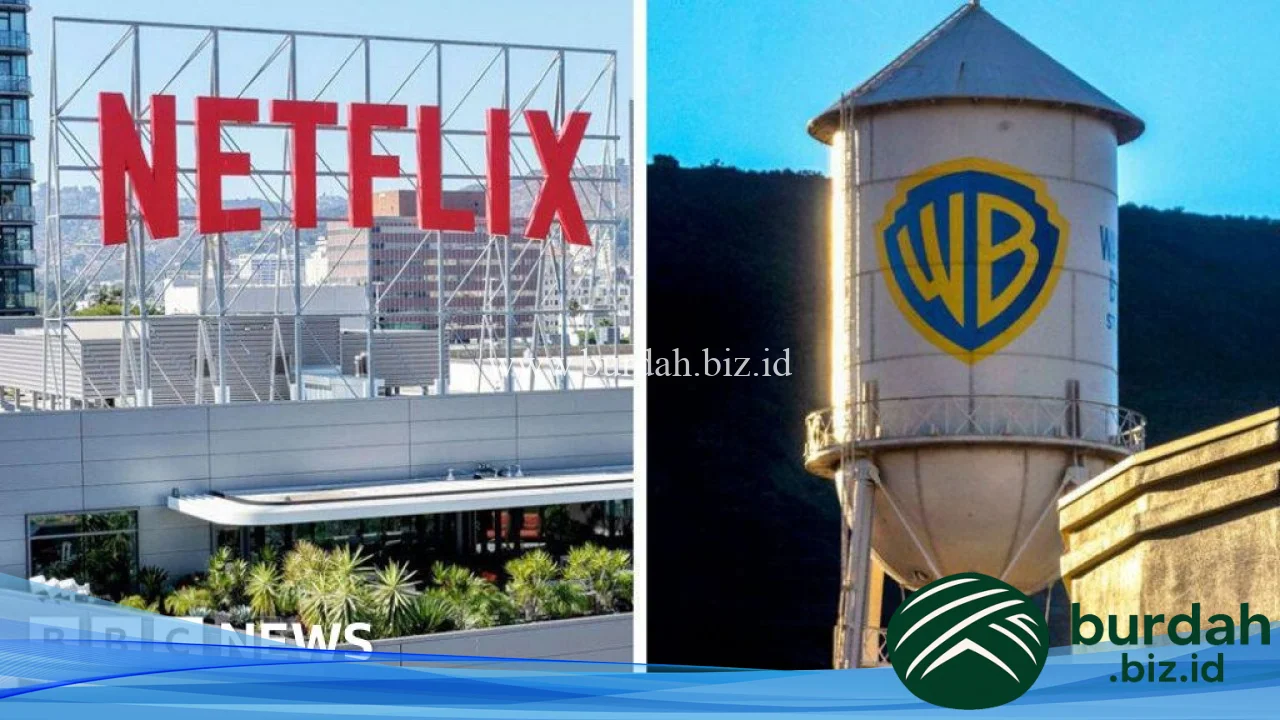
Netflix is poised to acquire the film and streaming divisions of Warner Bros Discovery in a monumental $72 billion deal. This agreement, which beat out rival bids from Comcast and Paramount Skydance, will bring iconic franchises like Harry Potter, Game of Thrones, and the DC Extended Universe under the Netflix umbrella. The industry-shaking move still awaits approval from competition authorities.
The streaming giant has secured one of Hollywood’s most storied libraries. The takeover is set to create an entertainment behemoth. Netflix co-chief executive Ted Sarandos expressed strong belief that the deal will pass regulatory muster, stating the company is running “full speed” towards this goal.
“Warner Bros have defined the last century of entertainment, and together we can define the next one,” Sarandos said, highlighting a vision to combine Warner’s vast content with Netflix originals like Stranger Things.
A New Hollywood Powerhouse
The cash and stock deal values Warner Bros shares at $27.75 each, with a total enterprise value of approximately $82.7 billion when including debt. The boards of both companies have already unanimously approved the agreement. This merger represents a significant consolidation in a fiercely competitive media situation.
David Zaslav, president and chief executive of Warner Bros, praised the combination of what he called “two of the greatest storytelling companies in the world.” He believes the partnership will ensure their celebrated stories continue to reach global audiences for years to come.
The financial strategy behind the acquisition is also clear. Netflix anticipates finding between $2 billion and $3 billion in savings. These savings will primarily come from eliminating redundancies in technology and corporate support structures across the two businesses.
What This Means for Your Subscriptions and the Big Screen
Consumers are wondering what will happen to their favorite services. A key question surrounds the future of HBO Max. Netflix co-chief executive Greg Peters acknowledged the importance of the HBO brand but remained noncommittal on specifics, stating it was “quite early to get into the specifics of how we’re going to tailor this offering for consumers.”
Industry analysts have already begun to weigh in on the potential impact. Tom Harrington, head of television at Enders Analysis, suggests a merger will likely lead to higher prices for viewers.
“Netflix would get more expensive and even though HBO Max would be shuttered/become non-essential, the greater penetration of Netflix households would likely mean an increase in total overall subscription revenues,” Harrington noted.
Despite the focus on streaming, Netflix has offered a concession to traditional cinema. The company confirmed that films made by Warner Bros will continue to have theatrical releases. This move is seen by some as an “olive branch” to a nervous Hollywood establishment. Danni Hewson, head of financial analysis at AJ Bell, pointed out that this promise might help smooth over regulatory concerns.
Regulatory Hurdles and Industry Reaction
The path to finalizing this deal is not entirely clear. The acquisition must be scrutinized and approved by competition authorities who will assess its impact on the market. A merger of this size is expected to “reorient Hollywood,” according to Harrington, and will likely face resistance from industry unions concerned about potential reductions in film and television production.
The cinema business has voiced direct opposition. Michael O’Leary, chief executive of the trade organization Cinema United, called the merger an “unprecedented threat.”
“The negative impact of this acquisition will impact theatres from the biggest circuits to one-screen independents in small towns in the United States and around the world,” O’Leary stated.
The deal’s structure is also complex. Netflix is acquiring the streaming and studios division only after Warner Bros Discovery completes its own internal split. The remaining global networks division, including channels like CNN and the domestic TNT Sports, will be spun off into a new company called Discovery Global.
The Strategic Endgame
This acquisition is a clear signal of Netflix’s long-term ambitions. Analyst Paolo Pescatore of PP Foresight described the sale as “a huge statement of intent” that “underlines Netflix aspirations to be a global leader in the new world order of streaming.”
While the move makes strategic sense for Warner Bros, which had previously rejected a bid from Paramount to buy the entire company, it presents a massive integration challenge for Netflix. Pescatore warned that combining the two enormous entities could “provide a headache for Netflix” given the sheer scale of the operation.
Ultimately, Ted Sarandos acknowledged the acquisition might surprise some shareholders. He defended it as a “rare opportunity” designed to position Netflix for success “for decades to come,” fundamentally altering the entertainment business for both creators and consumers.