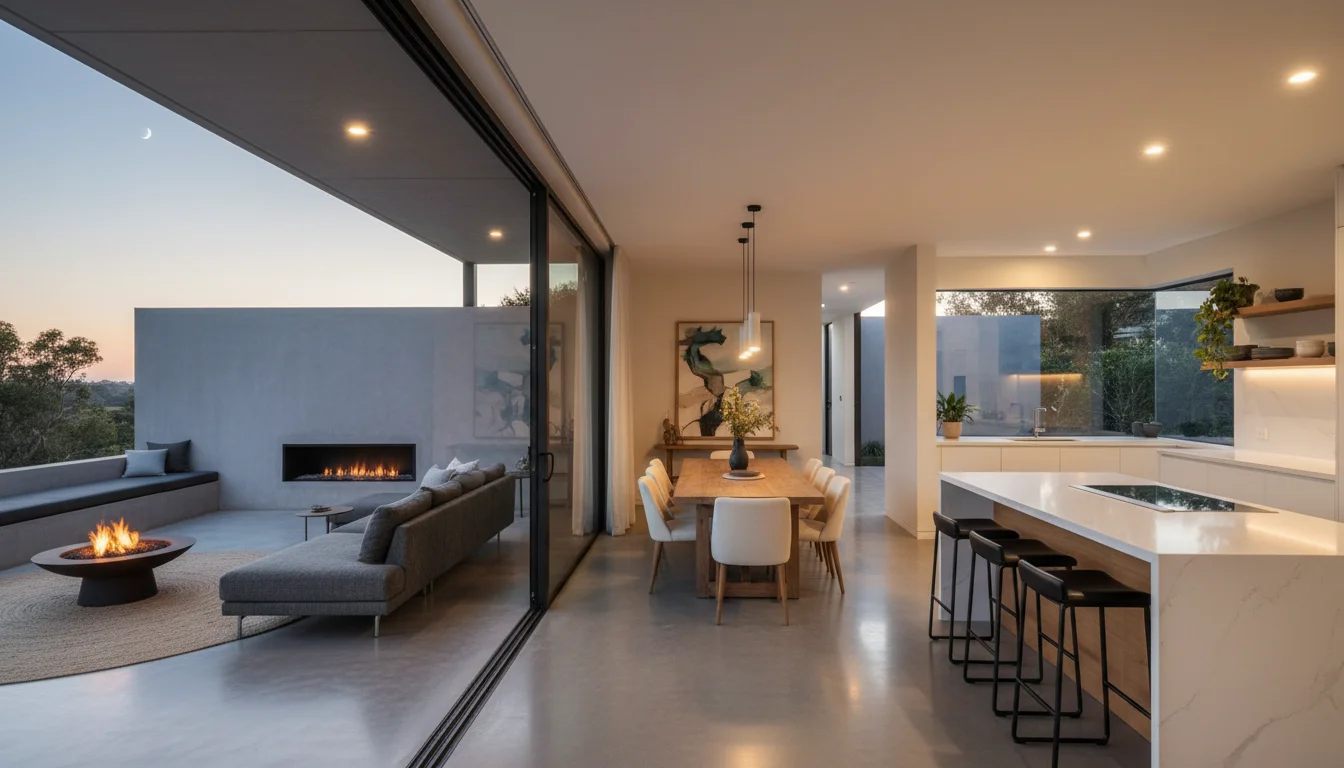
Open plan living offers a compelling vision for modern homes, prioritizing flow and connection. It’s a design philosophy that moves away from segmented rooms, instead opting for expansive, unified spaces. This approach aims to simplify daily routines and foster a sense of togetherness. The appeal of open plan living is undeniable for many seeking a more streamlined existence.
The Core Concept of Open Plan
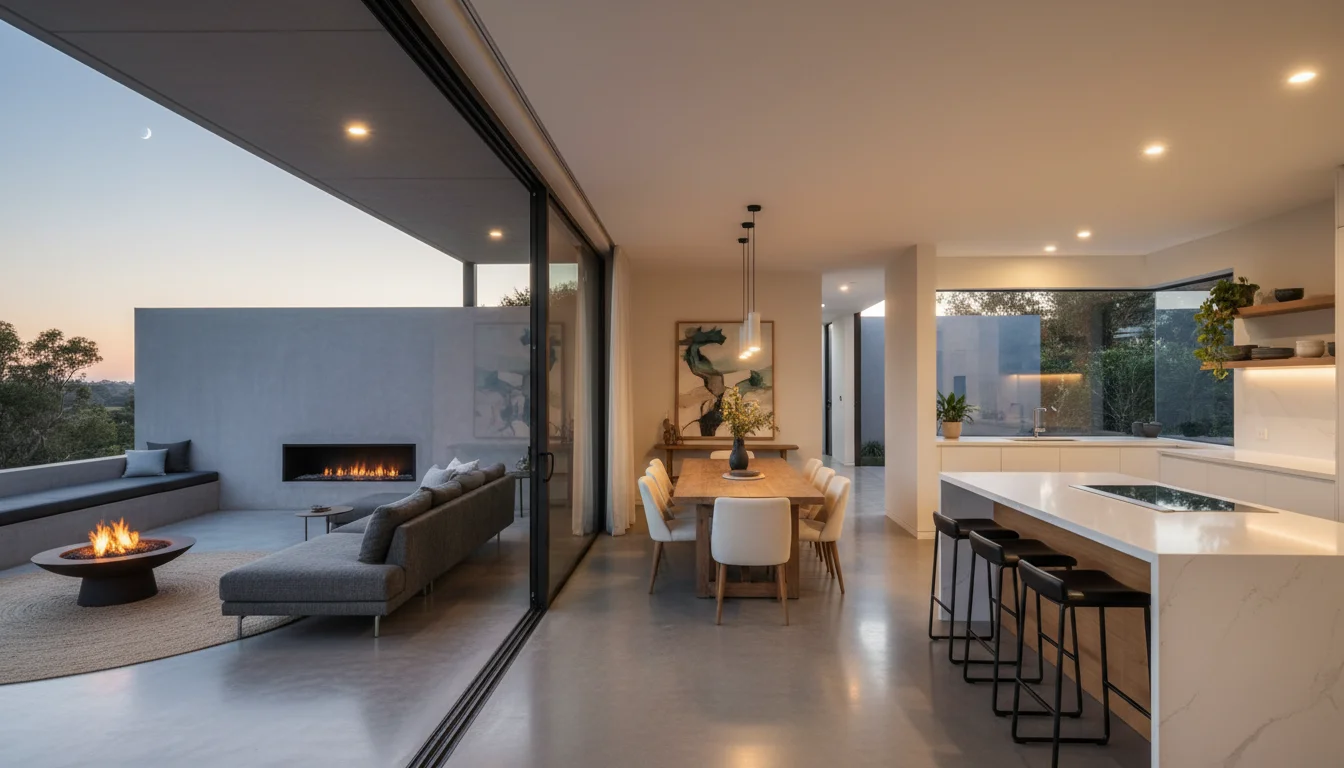
At its heart, open plan living dismantles traditional walls. Kitchens merge seamlessly with dining areas, which then flow into living rooms. Imagine preparing a meal while still being part of the family conversation. This integration breaks down the barriers that often isolate individuals in their designated rooms. It creates a central hub for family life. The feeling is one of spaciousness, even in smaller homes. Natural light floods through larger windows, further enhancing this airy atmosphere. This is the essence of creating unified spaces.
Benefits of Unified Spaces
The advantages of this design are numerous. For families, it enhances supervision. Parents can keep an eye on children playing in the living area while cooking. It also promotes better social interaction. Hosting guests becomes more dynamic when everyone can converse easily without being confined to separate rooms. The sense of connection is profound. It makes the home feel larger than its actual square footage. This is a significant draw for many homeowners. The visual continuity also makes decorating and furnishing more cohesive. You can carry a design theme throughout the entire main living area. This consistency adds to the overall aesthetic appeal. It’s a deliberate choice for a more integrated lifestyle. The benefits extend beyond mere aesthetics; they touch upon daily living.
Streamlined Living Through Design
Streamlined living is a direct outcome of open plan design. Clutter often finds a place in separate rooms. With open plan, there’s less physical space for “stuff” to accumulate unnoticed. This encourages a more mindful approach to possessions. Everything has its place, and the open nature of the space makes it harder to hide disorganization. It’s a subtle nudge towards minimalism. Furthermore, the ease of movement between zones simplifies tasks. Carrying dishes from the kitchen to the dining area is effortless. Cleaning becomes more efficient too, as you navigate one large area rather than multiple small ones. This efficiency translates into more free time. Less time spent on chores means more time for relaxation and loved ones. The whole home feels more functional. It’s a practical application of thoughtful design principles. This design fosters a less cluttered, more intentional way of life.
Open plan living 1
Challenges and Considerations
However, open plan living isn’t without its hurdles. Noise can be a significant issue. Without walls to absorb sound, conversations, television noise, and even the clatter of dishes can travel easily. This can be disruptive, especially if household members have different schedules or require quiet for work or study. Ventilation is another factor. Cooking smells can permeate the entire living space if adequate extraction systems are not in place. This might not be ideal for everyone. Privacy can also be a concern. While connection is a goal, there are times when individuals might desire a quiet corner to read or work without interruption. Solutions like strategic furniture placement or the use of room dividers can help mitigate these issues. It requires careful planning to achieve the desired balance. The success of open plan living hinges on addressing these potential drawbacks.
Creating Zones Within Open Spaces
Successfully implementing open plan living involves creating distinct zones. This is achieved through clever use of furniture, flooring, and lighting. A large area rug can define the living room space, separating it from the dining area. Different flooring materials, such as tile in the kitchen and wood in the living area, also delineate zones. Lighting plays a crucial role. Pendant lights over an island or dining table can visually anchor those areas. Wall-mounted sconces or floor lamps can highlight reading nooks. Even the arrangement of furniture can create perceived boundaries. Placing a sofa with its back to the dining area can signal a transition. These subtle cues help maintain order and functionality within the unified space. It’s about creating visual cues that guide movement and purpose.
The Role of Furniture and Decor
Furniture selection is paramount in an open plan home. Pieces should be versatile and scaled appropriately for the space. Multifunctional furniture, like ottomans with storage, can be particularly useful. They serve as seating, footrests, and hidden storage. The aesthetic should be consistent throughout the main living area to enhance the feeling of unity. However, this doesn’t mean everything has to match perfectly. A curated mix of textures and colors can add depth and interest. Consider the flow of traffic when placing furniture. Avoid blocking pathways. Decorative elements can also help define zones. Artwork, plants, or sculptures can draw the eye and create focal points. The goal is to create a harmonious environment that feels both expansive and intimate.
Open plan living 2
Lighting for Atmosphere and Function
Effective lighting is non-negotiable in open plan living. It’s not just about illumination; it’s about creating mood and defining areas. Layered lighting is key. This involves combining ambient lighting (general illumination), task lighting (for specific activities like cooking or reading), and accent lighting (to highlight features). Dimmers are invaluable tools, allowing you to adjust the intensity of light to suit the time of day or the activity. Recessed lighting can provide a clean, unobtrusive ambient light source. Pendant lights are excellent for drawing attention to kitchen islands or dining tables. Floor and table lamps add warmth and create cozy pockets. Strategic lighting can transform the perception of space, making it feel more inviting and functional. It allows you to adapt the environment to your needs throughout the day.
Storage Solutions in Open Environments
Storage is a critical consideration in open plan homes. Without walls to hide closets and cabinets, clutter can quickly become visible. Smart storage solutions are therefore essential. Built-in cabinetry can offer a streamlined look, blending seamlessly with the walls. Consider incorporating storage into furniture, such as benches with lift-up seats or coffee tables with drawers. Vertical storage is also your friend. Tall bookshelves or wall-mounted shelving can provide ample space without taking up much floor area. Pegboards and wall-mounted organizers can keep smaller items tidy and accessible. The key is to integrate storage discreetly, making it functional without detracting from the open feel of the space. Hidden storage solutions maintain the aesthetic appeal.
The Psychological Impact of Open Spaces
The psychological impact of is profound. It can reduce feelings of isolation, fostering a greater sense of connection with household members. The abundance of natural light often associated with these spaces can also boost mood and reduce stress. The feeling of freedom and spaciousness can be very liberating. It encourages a more relaxed and informal way of life. This can be particularly beneficial for those who work from home, as it can prevent the home from feeling like a sterile office environment. The constant visual connection promotes a sense of belonging. It makes the home feel like a shared, dynamic space rather than a collection of individual rooms. This can lead to a more harmonious domestic life.
3
Adapting Open Plan to Different Lifestyles
can be adapted to suit a variety of lifestyles. For busy families, it offers a central hub for activity and connection. For individuals who entertain frequently, it provides an ideal setting for social gatherings. Even for those who spend a lot of time working from home, thoughtful zoning can create dedicated work areas within the larger space. The key is flexibility. The design should be able to accommodate different needs at different times of the day. This might involve movable furniture, adaptable lighting, or multi-purpose areas. It’s about creating a home that supports your life, not dictates it. The adaptability is a major strength of this design approach. It’s a versatile solution for contemporary living.
The Future of Home Design
, with its emphasis on streamlined living and unified spaces, represents a significant shift in how we approach home design. It reflects a desire for greater connection, efficiency, and a less cluttered lifestyle. While challenges exist, thoughtful planning and creative solutions can overcome them. The enduring appeal of these expansive, flowing interiors suggests that will continue to be a dominant force in residential architecture for years to come. It’s a design philosophy that truly embraces modern living. The future of home design seems to lean towards these integrated, functional, and aesthetically pleasing environments. It’s a testament to evolving needs and aspirations.