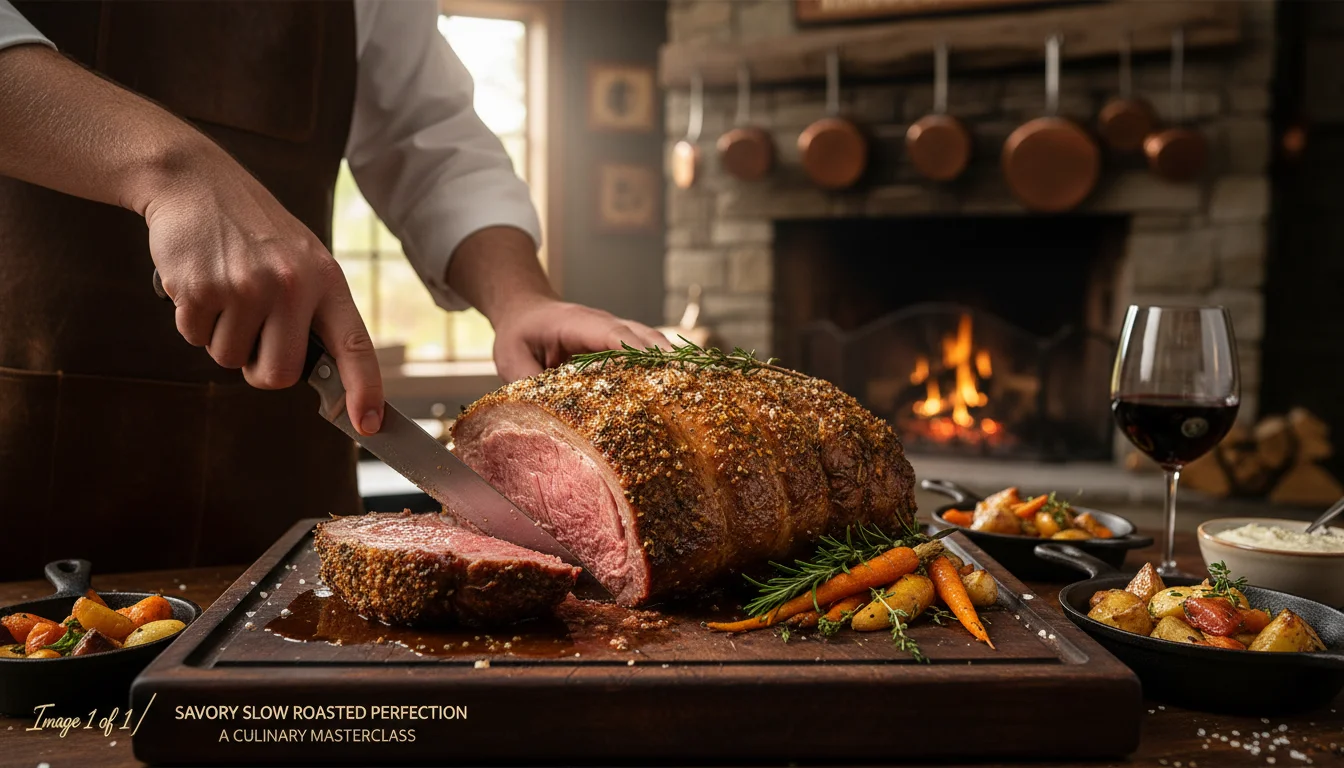
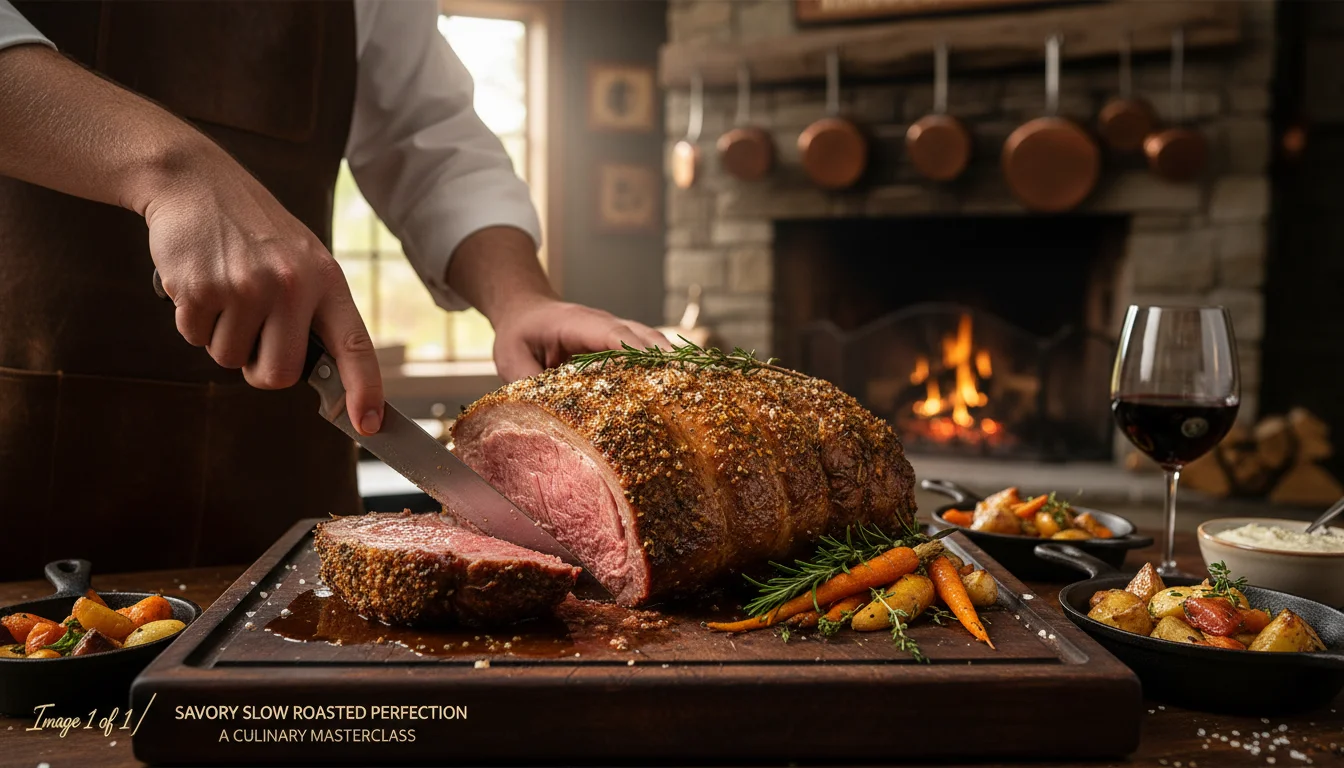
Imagine this: forks slide effortlessly through impossibly tender meat, each strand coated in a rich, savory sauce that whispers tales of slow cooking and deep flavor. This isn’t just dinner; it’s an experience. This is the magic of true slow roasted perfection, a dish that transforms humble ingredients into something truly extraordinary. I’ve spent years chasing that elusive balance of melt-in-your-mouth texture and profound taste, and honestly, this recipe cracks the code. It’s the kind of meal that makes a Sunday feel special, even on a Tuesday. Turns out, patience is truly a virtue in the kitchen, especially when it leads to this.
| Prep Time | 20 minutes |
| Cook Time | 3-4 hours |
| Total Time | 3 hours 20 minutes – 4 hours 20 minutes |
| Servings/Yield | 6-8 people |
| Estimated Calories | ~650 per serving (varies with cut of meat) |
Why You’ll Love This Slow Roasted Perfection
- Unbeatable Tenderness: The low and slow method breaks down tough connective tissues, resulting in meat that practically dissolves.
- Deep, Complex Flavors: The extended cooking time allows aromatics and seasonings to meld beautifully into the meat and sauce.
- Minimal Hands-On Time: Once it’s in the oven, you can relax. Most of the work is done by the heat.
- Impressive Results, Simple Execution: This dish looks and tastes like it came from a high-end restaurant, but it’s surprisingly straightforward for any home cook.
Ingredients: The Foundation of Flavor
Getting the right ingredients is crucial for achieving that coveted slow roasted perfection. Don’t skimp here; quality makes a noticeable difference.
- The Star: A Cut of Meat. I’m partial to a 3-4 pound boneless beef chuck roast or pork shoulder. These cuts have enough fat and marbling to stay moist and tender during the long cooking process. Look for good marbling throughout.
- Aromatic Base: 2 large yellow onions, roughly chopped; 4-5 cloves garlic, smashed. These form the sweet, savory foundation of your sauce.
- Liquid Gold: 2 cups beef broth (low sodium is best so you can control saltiness); 1 cup dry red wine (like Cabernet Sauvignon or Merlot) or dark beer. The wine adds acidity and depth. If you can’t use wine, use more broth and a tablespoon of red wine vinegar.
- Umami Boosters: 2 tablespoons tomato paste; 1 tablespoon Worcestershire sauce. These are your flavor powerhouses, adding richness and complexity.
- Herbs & Spices: 2 sprigs fresh rosemary; 2 sprigs fresh thyme; 2 bay leaves; 1 teaspoon black peppercorns, crushed. Fresh herbs are key for that bright, fragrant aroma.
- Fat for Searing: 2 tablespoons olive oil or rendered bacon fat. A good sear locks in juices and builds a flavorful crust.
- Seasoning: Kosher salt and freshly ground black pepper, to taste. Season generously at the start.
Slow roasted perfection 1
Achieving Slow Roasted Perfection: Step-by-Step
Preparation: Setting the Stage
- Preheat your oven to 325°F (160°C).
- Pat your roast completely dry with paper towels. This is a critical step for achieving a good sear.
- Season the roast generously on all sides with kosher salt and freshly ground black pepper. Be bold with your seasoning; it will mellow during cooking.
Searing for Depth
- Heat the olive oil or bacon fat in a large, oven-safe Dutch oven or heavy-bottomed pot over medium-high heat.
- Carefully place the seasoned roast into the hot oil. Sear for 3-4 minutes per side, until a deep, golden-brown crust forms. Don’t rush this; the crust equals flavor.
- Remove the seared roast from the pot and set it aside on a plate.
Building the Flavor Base
- Add the chopped onions to the same pot. Cook, stirring occasionally, until they begin to soften and turn golden, about 5-7 minutes. Scrape up any browned bits from the bottom of the pot – that’s pure flavor.
- Stir in the smashed garlic and tomato paste. Cook for another 1-2 minutes until the garlic is fragrant and the tomato paste darkens slightly.
- Deglaze the pot: Pour in the red wine or beer, scraping vigorously to loosen any remaining browned bits from the bottom. Let it simmer and reduce by about half, which will take 3-5 minutes. This concentrates the flavor and cooks off the harsh alcohol.
- Stir in the beef broth and Worcestershire sauce.
- Return the seared roast to the pot. It should be partially submerged in the liquid.
- Nestle the fresh rosemary, thyme, and bay leaves around the roast. Scatter the crushed peppercorns over the top.
The Slow Roast: Patience Pays Off
- Cover the Dutch oven tightly with its lid or heavy-duty aluminum foil.
- Transfer the pot to the preheated oven.
- Roast for 3 to 4 hours. The exact time will depend on the thickness of your roast and your oven. You’re looking for the meat to be fork-tender, easily shredding when poked.
- About halfway through cooking, you can baste the roast with the pan juices.
Slow roasted perfection 2
Resting and Finishing
- Once the roast is tender, carefully remove it from the pot and place it on a cutting board. Tent it loosely with foil and let it rest for at least 15-20 minutes. Resting allows the juices to redistribute, ensuring a moist result.
- While the meat rests, strain the cooking liquid through a fine-mesh sieve into a saucepan. Discard the solids.
- Skim off any excess fat from the surface of the liquid.
- Bring the liquid to a simmer over medium heat. Cook until it has thickened into a luscious sauce, about 10-15 minutes. You can thicken it further with a cornstarch slurry if desired (1 tablespoon cornstarch mixed with 2 tablespoons cold water, whisked in and simmered until thickened). Season the sauce to taste with salt and pepper.
- Shred or slice the rested roast and serve it with the rich sauce spooned generously over the top.
“Don’t be tempted to rush the cooking time. The magic of slow roasted perfection happens when heat works gently over hours, not minutes. If your meat isn’t falling apart easily after 3 hours, give it another 30-60 minutes. It’s better to overcook slightly than to serve tough meat.”
Variations and Substitutions
- Vegetarian Option: While not a “roast,” you can adapt the braising liquid and aromatics for hearty root vegetables like chunks of celery root, parsnips, and carrots, or large portobello mushrooms. Cook until tender, around 1-1.5 hours.
- Spicy Kick: Add a pinch of red pepper flakes with the onions, or a diced jalapeño.
- Creamy Sauce: Stir in a splash of heavy cream into the finished sauce for an extra decadent finish.
- Herb Swap: Thyme and rosemary are classic, but sage or marjoram can also be delicious.
Storage and Reheating
Leftovers are a gift! Store cooled roasted meat and sauce in airtight containers in the refrigerator for up to 3-4 days. Reheat gently on the stovetop over low heat, or in a covered dish in a 300°F (150°C) oven, adding a splash of extra broth or water if needed to loosen the sauce. This dish often tastes even better the next day.
Slow roasted perfection 3
FAQ: Your Burning Questions Answered
Can I make this in a slow cooker?
Absolutely! Sear the meat and sauté the aromatics as directed. Then, transfer everything to your slow cooker, add the liquid and seasonings, and cook on low for 8-10 hours or on high for 4-5 hours, until very tender. The sauce may require a little more thickening on the stovetop afterward.
What’s the best side dish for this?
Mashed potatoes are the ultimate classic, soaking up all that incredible sauce. Creamy polenta, buttered egg noodles, or even a simple crusty bread for dipping are also fantastic choices.
Why is my roast not tender?
Usually, this means it hasn’t cooked long enough. Tougher cuts of meat require time for the collagen to break down into gelatin. Ensure you’ve cooked it until it can be easily shredded with a fork. Also, make sure your oven temperature isn’t too high, as this can cause the meat to cook too quickly and become dry before it tenderizes.