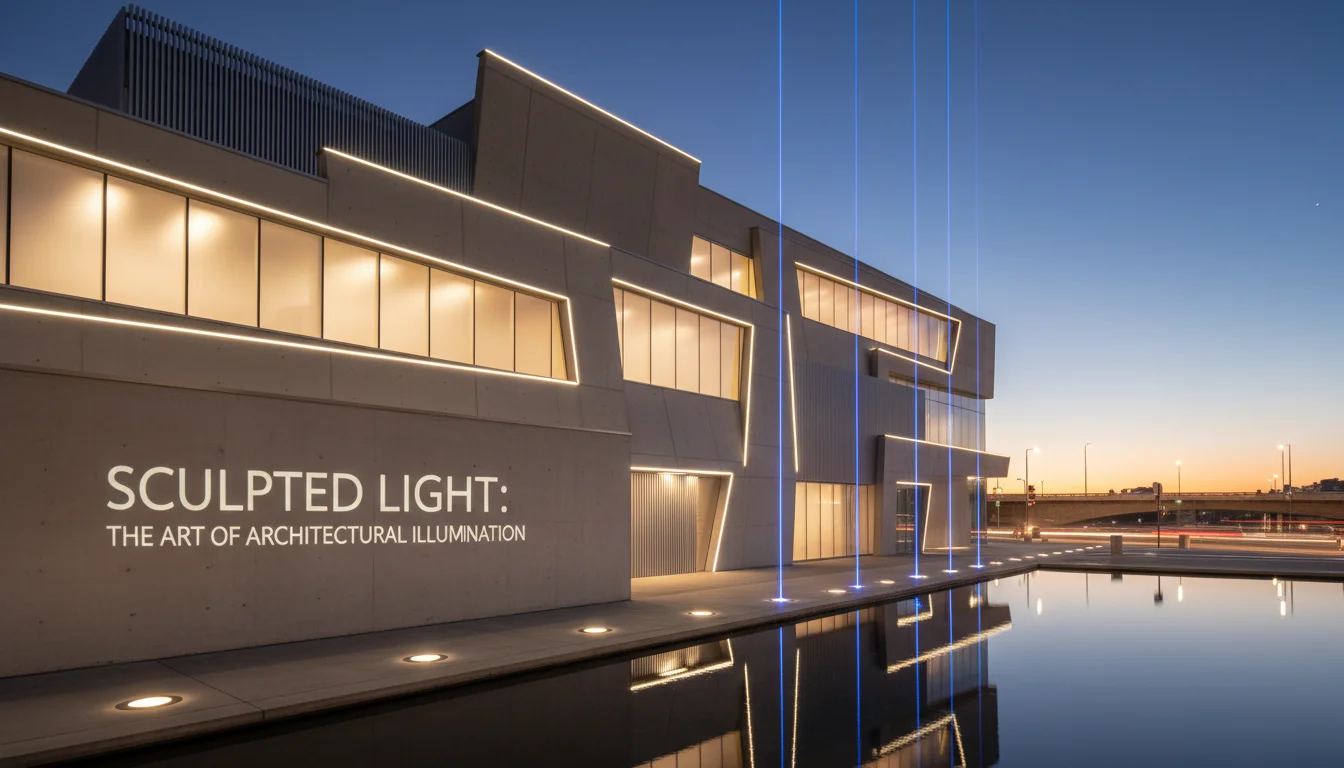
Architectural light art transforms buildings from static structures into dynamic experiences. It’s more than just turning on a lamp; it’s about shaping perception, evoking emotion, and telling stories through illumination. This discipline, often referred to as architectural illumination, is a sophisticated blend of engineering, design, and artistic vision. It’s a powerful way to redefine spaces, both inside and out. Seriously, think about how a well-lit facade can draw you in, or how strategic lighting can highlight a building’s most striking features. It’s a fascinating sector.
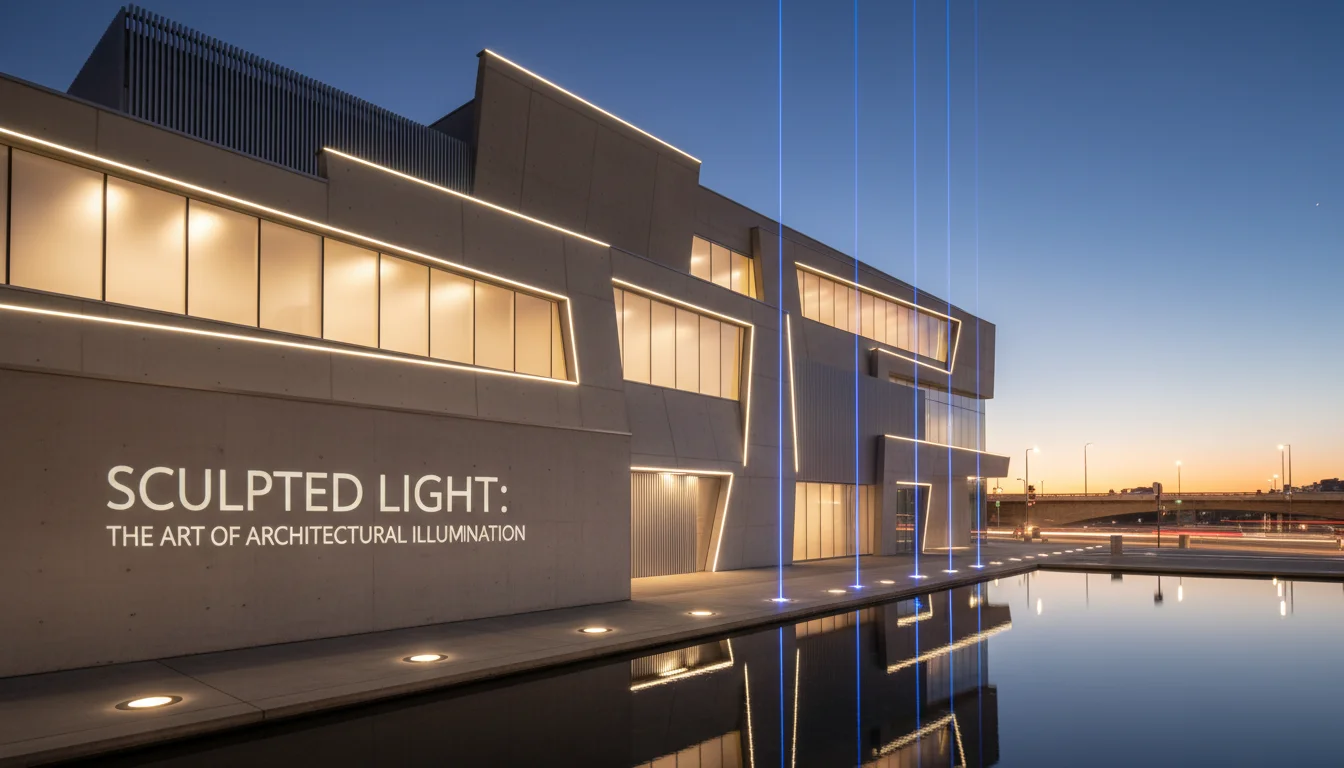
The fundamental goal of architectural light art is to manipulate light to enhance the architectural form and function. This isn’t about simply providing visibility; it’s about creating atmosphere, guiding movement, and emphasizing specific elements. Imagine a historic cathedral, bathed in a warm, subtle glow that emphasizes its intricate stonework, or a modern skyscraper, punctuated by dynamic, colored light that dances across its glass surfaces. These are not accidental occurrences. They are the results of careful planning and artistic intent. It’s about making the building itself a canvas.
The Evolution of Illumination
Historically, lighting was purely functional. Torches and candles offered a dim, flickering light, primarily for safety and basic task completion. The advent of gas lamps brought a brighter, more consistent illumination, but still lacked subtlety. Electric lighting, however, marked a significant turning point. Early electric lights were often harsh and utilitarian, but as technology advanced, so did the possibilities. The development of different bulb types – incandescent, fluorescent, halogen, and eventually LEDs – provided a wider palette of color temperatures, intensities, and beam angles. This technological progression directly fueled the evolution of architectural illumination from a mere necessity to a genuine art form. It’s a journey from basic need to sophisticated expression.
Early architects and engineers focused on illuminating spaces for practical purposes. Think of streetlights designed to prevent crime or interior lights for reading and working. There was little consideration for aesthetics beyond basic functionality. However, as cities grew and architecture became more ambitious, the need for more refined lighting solutions became apparent. The desire to showcase grand public buildings and create welcoming environments began to shape how light was used. This shift, though gradual, laid the groundwork for the complex and artistic applications we see today. It was a slow burn, but the potential was always there.
Architectural light art 1
Defining Architectural Light Art
Architectural light art, in its essence, is the deliberate and artistic application of light to enhance, transform, or define architectural spaces and structures. It goes beyond mere functional lighting, which aims to provide adequate illumination for safety and visibility. Instead, it focuses on creating visual interest, evoking specific moods, and highlighting the inherent beauty and characteristics of the built environment. This art form considers how light interacts with materials, forms, and the surrounding environment, often at different times of day and night. The aim is to create a dialogue between light and architecture, where each element informs and elevates the other. It’s a deliberate conversation, not a random splash of brightness.
Consider the difference between a floodlight simply illuminating a building’s facade and a carefully orchestrated series of spotlights that trace its architectural lines, accentuating its textures and volumes. The latter is a clear example of architectural light art. It involves understanding the building’s design intent and using light to amplify its message. This can involve subtle washes of color, dramatic contrasts, or dynamic, moving light displays. The intention is to create a sensory experience for the viewer, engaging them with the architecture in a new and profound way. It’s about crafting an emotional response through visual means. The impact can be quite profound.
Key Principles in Practice
Several core principles guide the practice of architectural illumination. One of the most crucial is understanding the relationship between light and shadow. The interplay of these two elements is fundamental to creating depth, dimension, and visual interest. Architects and lighting designers meticulously plan where light will fall and where shadows will be cast to sculpt the building’s form. This strategic use of contrast can dramatically alter the perception of a structure, making it appear more imposing, delicate, or dynamic. It’s a dance between presence and absence, visibility and mystery. The results are often stunning.
Architectural light art 2
Another vital principle is color temperature and its effect on mood and perception. Warmer light, with its yellow and red tones, tends to create a cozy, inviting atmosphere, often used in residential or hospitality settings. Cooler light, with its blue tones, can evoke a sense of alertness, modernity, or even sterility, making it suitable for offices or exhibition spaces. Beyond color temperature, the actual color of the light can be used artistically. Think of how blue light can create a nocturnal, serene feel, or how vibrant colors can add energy and excitement to a public space. The spectrum of possibility is vast. This allows for immense creative freedom.
Furthermore, the direction and intensity of light play significant roles. Uplighting can make a building appear grander, drawing the eye upwards. Downlighting can create intimate spaces or highlight specific features on the ground. Grazing light, cast at a very shallow angle across a textured surface, can accentuate its relief and detail, bringing out the inherent character of materials like brick or stone. The intensity, or brightness, is also carefully controlled. Too much light can be overwhelming and wasteful, while too little can render the effort ineffective. Achieving the right balance is key to successful architectural illumination. It’s a delicate calibration.
Technological Advancements and Their Impact
The advent of Light Emitting Diodes (LEDs) has revolutionized architectural light art. LEDs offer unparalleled control over color, intensity, and direction. They are incredibly energy-efficient, have long lifespans, and are compact, allowing for integration into nearly any architectural element. This technological leap has enabled designers to create incredibly complex and dynamic lighting schemes that were previously unimaginable. The ability to program sequences of color changes, dimming patterns, and synchronized movements has transformed buildings into interactive canvases. It’s a far cry from the incandescent bulbs of yesteryear. The difference is night and day.
Architectural light art 3
Smart lighting systems, often controlled by sophisticated software and integrated sensors, further enhance the possibilities. These systems can adapt to ambient light conditions, occupancy, and even programmed schedules, creating responsive and dynamic environments. Imagine a building that subtly changes its lighting throughout the evening, mimicking the transition from sunset to starry night, or one that brightens specific pathways as people approach. This level of sophistication allows for a truly immersive and personalized experience of light. The integration of digital technology with physical architecture is a powerful combination. It’s a marriage of art and science.
The Role of Lighting Designers
Lighting designers are the artists and technicians behind sculpted light. They are professionals who possess a deep understanding of light, its behavior, and its emotional impact, coupled with a technical knowledge of lighting equipment and control systems. Their role is to translate the architect’s vision and the client’s needs into a functional and aesthetically compelling lighting design. This involves site analysis, concept development, fixture selection, photometric calculations, and the creation of detailed lighting plans and control strategies. They are the conductors of the light symphony. Their expertise is invaluable.
These designers must also consider practical aspects such as energy consumption, maintenance, and compliance with local regulations. They often work closely with architects, interior designers, electrical engineers, and contractors throughout the entire design and construction process. Their ability to foresee potential challenges and propose innovative solutions ensures that the final lighting scheme is not only beautiful but also practical and sustainable. It’s a collaborative effort, requiring constant communication and a shared vision. The success hinges on this teamwork. Without it, the results can be mediocre.
Applications Across Different Sectors
finds application in a vast array of settings. In the **urban environment**, it’s used to illuminate public spaces, create landmarks, and enhance safety. Bridges, monuments, and city squares are often transformed into dramatic spectacles through thoughtful lighting. Think of the iconic illuminations of famous landmarks; they become beacons, drawing people and fostering a sense of place. This urban lighting can also guide pedestrian flow and highlight historical or cultural significance. It makes cities come alive after dark. It’s a vital component of urban identity.
4
In the **hospitality sector**, lighting plays a crucial role in creating atmosphere and influencing guest experience. Hotels, restaurants, and bars use lighting to set a mood, whether it’s intimate and romantic, energetic and lively, or sophisticated and elegant. The right lighting can make a dining experience more enjoyable or a hotel lobby more welcoming. It’s about creating an emotional connection with the space. This is where subtle nuances in color temperature and intensity can make a significant difference. It’s a subtle art, but highly effective.
For **cultural institutions** like museums and galleries, architectural illumination is paramount. It’s used to showcase artworks, guide visitors, and create immersive exhibition environments. Light can highlight the texture of a sculpture, reveal the subtle colors in a painting, or create a dramatic narrative flow through a gallery. The careful control of light is essential for preserving delicate artifacts while simultaneously making them accessible and engaging for the public. It’s a balancing act of preservation and presentation. The technology here is often highly specialized.
**Commercial buildings** also benefit greatly from . Well-lit retail spaces can attract customers, enhance product displays, and create a positive shopping experience. Office buildings can use lighting to improve employee productivity and well-being, while also projecting a professional image. Exterior lighting can make a business stand out and be easily identifiable, especially in large commercial parks or along busy thoroughfares. It’s about making a statement. The brand image is often tied to its visual presentation, and lighting is a key part of that. It’s a tangible representation of their identity.
Challenges and Considerations
Despite its artistic merits, architectural illumination faces several challenges. **Energy efficiency** remains a significant concern. While LEDs have drastically improved this aspect, the sheer scale of some lighting installations means energy consumption can still be substantial. Designers must balance aesthetic aspirations with the need for sustainable practices and cost-effectiveness. This often involves careful selection of fixtures, efficient control systems, and adherence to energy codes. It’s a constant push and pull between form and function, desire and practicality. The environmental impact is always on the table.
5
**Light pollution** is another critical consideration. Excessive or misdirected light can negatively impact the environment, affecting wildlife and obscuring the night sky. Responsible lighting design aims to minimize this by using shielded fixtures, directing light only where needed, and employing appropriate color temperatures that have less impact on nocturnal ecosystems. The goal is to illuminate the built environment without unduly disrupting the natural world. It’s about being mindful of our surroundings. The night sky is a precious resource, and we should strive to protect it. This requires careful planning and execution.
**Maintenance and longevity** are also practical concerns. Lighting systems, especially those in public spaces or on tall structures, can be difficult and expensive to maintain. Designers must select durable fixtures and plan for easy access for cleaning, relamping, or repair. The lifespan of the chosen lighting technology is also a crucial factor in the overall cost and sustainability of the project. Choosing high-quality, reliable components is essential for long-term success. It’s an investment that needs to pay off over time. Poor choices can lead to costly headaches down the line.
The Future of Light Art
The future of promises even greater integration of technology and artistry. We can anticipate more sophisticated interactive lighting systems that respond to environmental cues, human presence, and even social media trends. The development of new light sources and materials will undoubtedly open up novel creative possibilities. Think of dynamic, color-changing facades that can adapt their appearance in real-time or lighting that can be embedded directly into building materials. The lines between architecture, technology, and art will continue to blur. It’s an exciting prospect.
Furthermore, there will likely be a greater emphasis on the human experience and well-being. Lighting design will increasingly focus on creating environments that are not only visually appealing but also promote health, comfort, and productivity. This could involve circadian lighting systems that mimic natural daylight patterns to regulate sleep cycles or tunable lighting that can be adjusted to suit individual preferences. The art of illumination will evolve to become more personalized and responsive. It’s about enhancing lives through light. The potential is immense, and the field is constantly pushing boundaries. We are only just beginning to scratch the surface of what’s possible with sculpted light.