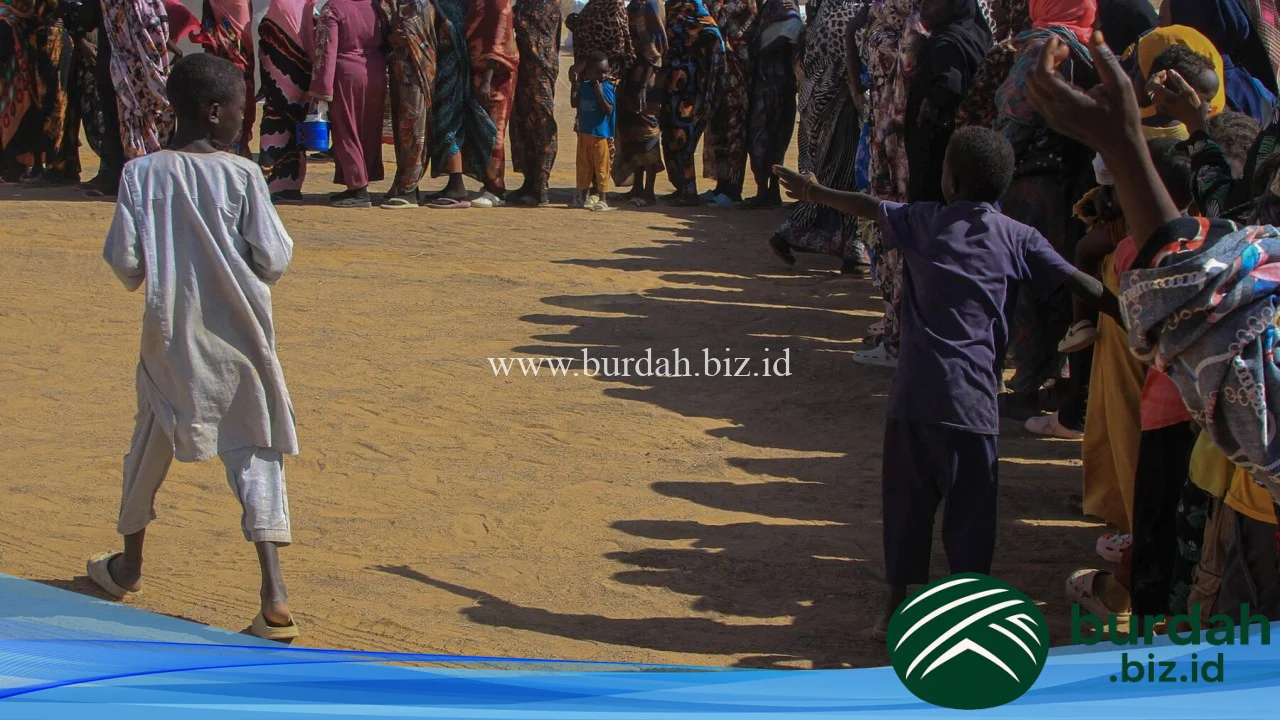
A catastrophic humanitarian crisis is unfolding in Sudan, with international observers warning that the nation stands on the brink of mass atrocities not seen in decades. The brutal conflict between the Sudanese Armed Forces (SAF) and the paramilitary Rapid Support Forces (RSF) has pushed millions to the edge of famine and reignited fears of a new genocide in the Darfur region.
The situation is dire. More than a year of relentless fighting has completely dismantled the country’s infrastructure, leaving its people trapped between warring factions who show little regard for civilian life. The world is watching a disaster accelerate in real time.
The Siege of El Fasher: A Ticking Time Bomb
All eyes are on El Fasher, the capital of North Darfur. It is the last major city in the vast Darfur region not under RSF control. The city has become a sanctuary for hundreds of thousands of displaced people fleeing violence in other parts of the territory, swelling its population to a breaking point. Now, El Fasher itself is encircled by the RSF and its allied militias, creating a kill box with no escape.
Reports from the ground paint a horrifying picture of indiscriminate shelling and sniper fire targeting residential areas and hospitals. The fighting carries terrifying ethnic overtones, as the RSF, which evolved from the notorious Janjaweed militias, and its Arab allies are accused of targeting non-Arab communities like the Zaghawa, Masalit, and Fur. This dynamic is a chilling echo of the Darfur genocide of the early 2000s, raising alarms that history is poised to repeat itself on a devastating scale.
A Looming Famine of Epic Proportions
Beyond the immediate violence of bullets and bombs, a quieter but equally lethal threat is consuming Sudan: starvation. The conflict has triggered a near-total collapse of the food supply chain. Farmers have been unable to plant crops, markets have been destroyed, and humanitarian aid convoys are systematically looted or blocked from reaching those most in need. Both the SAF and RSF have been accused of using hunger as a weapon of war.
The United Nations World Food Programme has issued stark warnings about the potential for the world’s largest hunger crisis. Key concerns include:
- Millions of people, particularly children, are facing acute malnutrition.
- The upcoming lean season is expected to severely worsen the food shortages.
- Aid agencies have insufficient funding and face extreme danger in trying to deliver supplies.
- The complete breakdown of healthcare makes those weakened by hunger highly vulnerable to disease.
International Paralysis and Faltering Diplomacy
The global response has been criticized as slow and insufficient. A series of diplomatic efforts, including talks held in Jeddah, have failed to secure a lasting ceasefire. The conflict is complicated by the involvement of external actors, with regional powers allegedly providing financial and military support to both sides, fueling the war for their own strategic interests.
Human rights organizations and UN officials have repeatedly called for a robust international intervention to protect civilians and ensure humanitarian access. The urgency is palpable, yet the path to a resolution remains blocked by political deadlock.
“The international community cannot say they were not warned. The evidence is clear and the consequences of inaction will be measured in an unimaginable number of lives lost,” stated a senior aid official working in the region.
Echoes of a Genocidal Past
The context of Darfur’s history is crucial to understanding the current threat. The RSF, led by General Mohamed Hamdan “Hemedti” Dagalo, was formed from the Janjaweed militias responsible for the ethnic cleansing campaign two decades ago. Survivors of that era are now facing their former tormentors, who have returned with more power, heavier weapons, and a national agenda.
The pattern of violence—targeting specific ethnic groups, destroying villages, and systematic sexual violence—is not random. It is a playbook that has been used before in Darfur. The fall of El Fasher would not just be a strategic military victory for the RSF; many fear it would be the catalyst for a final, horrific wave of ethnic-based slaughter, all while the world’s attention is focused elsewhere.