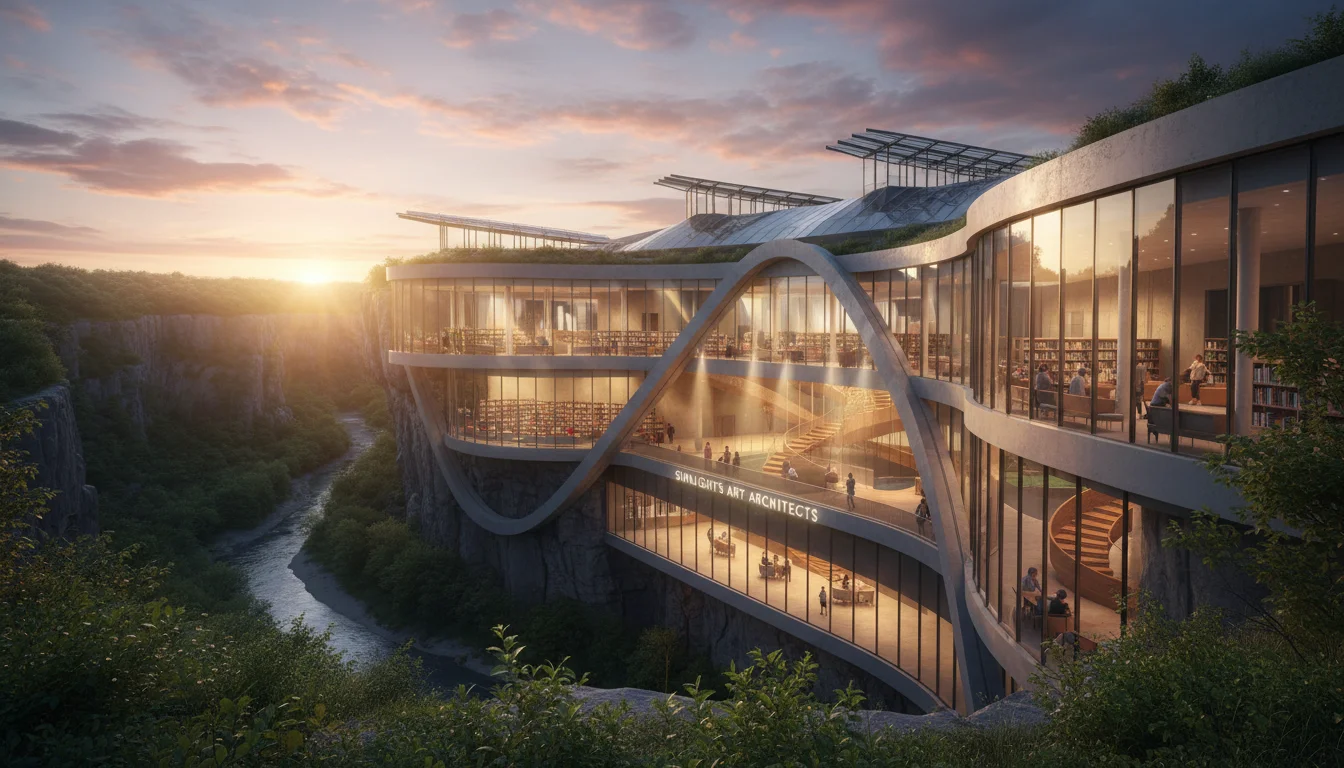
The way light interacts with our built environments profoundly influences our mood, productivity, and overall well-being. Architects today are increasingly recognizing the power of natural light, moving beyond mere illumination to embrace sunlight as a fundamental design element. This approach, often termed Sunlight Space Design, transforms ordinary spaces into dynamic, inspiring places. It’s not just about windows; it’s a sophisticated understanding of how sunlight paints, shapes, and animates interiors.
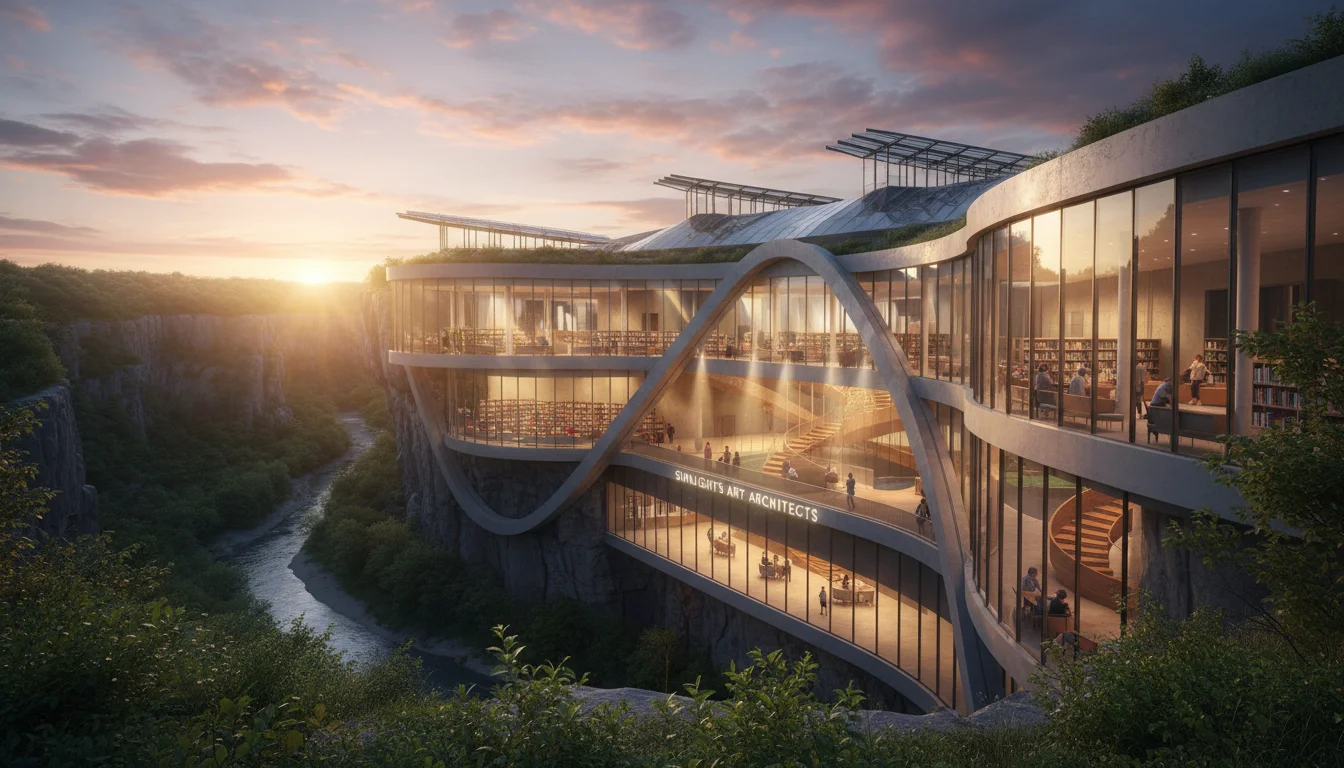
Think about it. A room bathed in soft morning light feels different from one hit by harsh afternoon rays. This isn’t accidental; it’s the result of deliberate design choices. Architects who master Sunlight Space Design understand the sun’s predictable yet ever-changing path across the sky and how to harness its energy for aesthetic and functional gains. They don’t just place windows; they sculpt openings, orient buildings, and select materials with sunlight in mind. This mindful integration of natural light can reduce reliance on artificial lighting, saving energy and costs. Moreover, it cultivates a connection to the outdoors, a vital aspect of modern living often lost in dense urban settings.
The impact is tangible. Studies have shown that spaces with ample natural light can improve concentration and reduce eye strain, making them ideal for workplaces and educational institutions. In residential settings, sunlight can create a sense of warmth and openness, enhancing the feeling of home. This deliberate manipulation of natural light is at the heart of effective Sunlight Space Design, making every space feel more alive and responsive to the time of day and season.
Harnessing the Sun’s Path
Understanding the sun’s movement is the bedrock of successful Sunlight Space Design. Architects meticulously study the site’s orientation, considering the sun’s arc from east to west throughout the day and its varying height in the sky across the seasons. This knowledge informs crucial decisions about building placement and the size and placement of apertures. For instance, a south-facing facade in the Northern Hemisphere receives the most direct sunlight, which can be beneficial for passive solar heating in winter but may require shading strategies in summer to prevent overheating. Conversely, east-facing windows capture beautiful morning light, ideal for living areas or kitchens where people often start their day. West-facing windows can be challenging due to intense afternoon sun, often necessitating careful shading or the use of less critical spaces.
Sunlight Space Design 1
This careful choreography of light is not a one-size-fits-all solution. It requires a deep dive into the specific climate, the building’s purpose, and the occupants’ needs. A library, for example, might benefit from diffused, consistent light to aid reading, while a gallery might use directed sunlight to highlight specific artworks. The goal is to create a symbiotic relationship between the building and its celestial source, ensuring that the light enhances, rather than detracts from, the user experience. This careful planning ensures that Sunlight Space Design truly serves its purpose.
Materiality and Light Interaction
The choice of materials plays a crucial role in how sunlight is received, reflected, and diffused within a space. Smooth, highly reflective surfaces like polished concrete or glass can amplify light, making smaller rooms feel larger and brighter. Conversely, matte finishes and textured materials absorb light, creating a softer, more diffused illumination. The color palette of interior finishes is also paramount. Lighter colors, such as whites, creams, and pale pastels, reflect more light than darker hues, effectively bouncing sunlight around the room and creating a sense of airiness. Darker colors absorb light, which can be used strategically to create a sense of intimacy or to emphasize specific architectural features.
Furthermore, the translucency and transparency of materials are key considerations. Frosted glass, for example, can diffuse harsh sunlight into a gentle glow, obscuring direct views while still allowing light to penetrate. Louvers and screens, made from wood, metal, or even fabric, can be used to control the intensity and direction of incoming light, creating dynamic patterns and shadows throughout the day. The interplay of these elements—surface reflectivity, color, and material transparency—is what truly brings Sunlight Space Design to life, transforming static structures into responsive environments. It’s a detailed consideration that elevates the design beyond mere functionality.
Sunlight Space Design 2
Shading Strategies: Controlling the Glow
While embracing natural light is the objective, controlling its intensity is equally important. Excessive direct sunlight can lead to glare, discomfort, and unwanted heat gain, negating the benefits of natural illumination. Architects employ a variety of shading strategies to manage sunlight effectively, ensuring that spaces remain comfortable and functional throughout the day and across different seasons. These strategies range from passive architectural elements integrated into the building’s form to active, adjustable systems.
External shading devices, such as overhangs, awnings, louvers, and brise-soleils, are highly effective because they block sunlight before it reaches the glass, preventing heat from entering the building. The design and placement of these elements are critical. Overhangs are particularly effective at blocking high summer sun while allowing lower winter sun to penetrate. Louvers can be angled to control the direction and intensity of light, creating visual interest and reducing glare. Operable shades and screens offer flexibility, allowing occupants to adjust the amount of light and heat entering a space based on their needs and the prevailing conditions. These solutions are integral to sophisticated Sunlight Space Design.
Internal shading solutions, like blinds, shades, and curtains, offer another layer of control. While less effective at preventing heat gain than external measures, they provide occupants with a greater degree of personalization and comfort. The choice of fabric for curtains and blinds also impacts light diffusion; sheer fabrics allow light to filter through softly, while blackout materials can completely block light. The intelligent combination of internal and external shading ensures that the benefits of natural light are maximized while potential drawbacks are mitigated, leading to a harmonious and comfortable interior environment.
Daylighting Techniques and Their Impact
Beyond simply placing windows, architects utilize sophisticated daylighting techniques to maximize the penetration and distribution of natural light. Light shelves are a prime example; these horizontal surfaces are placed above eye level, typically on the exterior of a window. They bounce sunlight up onto the ceiling, which then diffuses it further into the room. This technique helps to illuminate deeper into the space, reducing the need for artificial lighting and creating a more even distribution of natural light, which is a hallmark of excellent .
3
Atria and skylights are other powerful tools in the daylighting arsenal. Atria, large open spaces within a building, often topped with a glazed roof, allow sunlight to flood the core of a structure, illuminating multiple levels simultaneously. Skylights, installed in roofs, provide direct overhead light, which can be particularly beneficial in spaces with limited wall space for windows, such as corridors or interior rooms. The design of skylights often incorporates diffusion elements to soften the light and prevent glare. Clerestory windows, narrow horizontal windows placed high on walls, also serve to bring light into the upper portions of rooms, enhancing the sense of spaciousness and providing natural light to areas that might otherwise be dim.
The strategic use of these techniques not only enhances the aesthetic quality of a space but also has significant functional benefits. Properly daylighted spaces can improve occupant comfort, boost productivity in workplaces and schools, and contribute to a general sense of well-being. The connection to the natural rhythms of the day, facilitated by the consistent presence of natural light, can be profoundly beneficial. This careful integration of light is a core principle of modern architectural practice.
Biophilic Design and Sunlight
The integration of natural light is intrinsically linked to biophilic design principles, which aim to connect building occupants more closely to nature. Sunlight is a fundamental element of the natural world, and its presence indoors can evoke a sense of connection to the outdoors, even in urban environments. Architects employing biophilic design seek to replicate the positive experiences of being in nature within the built environment, and sunlight is a key component of this strategy. Spaces that are rich in natural light often feel more alive, more calming, and more restorative.
Consider how sunlight filters through trees, creating dappled patterns. Architects can mimic this effect using perforated screens or strategically placed louvers, bringing a dynamic, natural quality to interior light. The changing intensity and color temperature of sunlight throughout the day also provide a natural circadian cue, helping to regulate our internal body clocks. Buildings designed with principles often feature large windows that offer views of the sky or surrounding greenery, further enhancing the biophilic experience. This connection is not just about aesthetics; it’s about human health and well-being. The psychological benefits of natural light are well-documented, contributing to reduced stress levels and improved mood.
4
This symbiosis between natural light and biophilic design creates environments that are not only visually appealing but also deeply nurturing. It’s about creating spaces that feel inherently healthy and supportive, fostering a sense of calm and connection. The conscious effort to bring sunlight indoors, in thoughtful and controlled ways, is a powerful tool in the architect’s toolkit for creating truly humane and inspiring buildings.
The Future of
The evolution of is ongoing, driven by advancements in technology and a deeper understanding of human well-being. Smart glass technology, for instance, allows windows to dynamically adjust their tint in response to sunlight intensity, providing automatic shading and glare control. This innovation offers unprecedented control over natural light, ensuring optimal conditions throughout the day without manual intervention. Furthermore, the development of more efficient glazing materials and advanced building simulation tools allows architects to predict and optimize daylighting performance with greater accuracy than ever before. These tools help in fine-tuning the balance between admitting light and managing heat gain, a critical aspect of sustainable design.
The focus is increasingly shifting towards creating responsive buildings that actively adapt to their environment and their occupants’ needs. This includes not only controlling sunlight but also harnessing its energy. Photovoltaic glass, which generates electricity while allowing light to pass through, is becoming more prevalent, integrating energy generation seamlessly into the building envelope. As our cities become denser and our lives more indoors, the importance of natural light in our built environments will only grow. Architects who master the art of are not just creating buildings; they are crafting experiences, shaping how we feel, work, and live. It’s a forward-thinking approach that prioritizes human comfort, sustainability, and a profound connection to the natural world. The future of architecture is undeniably bright, illuminated by the thoughtful integration of sunlight.