The Core Concept of Openness
Everyone craves it. That feeling of walking into a home and immediately sensing space, light, and connection. It’s the siren song of modern architecture, promising a life less confined. This is the promise of the open-concept floor plan. But let’s be real; simply knocking down a few walls doesn’t automatically create a functional or beautiful home. It can, in fact, create a chaotic, noisy warehouse of a living space if you don’t understand its fundamental structure. The true secret lies in mastering the open plan anatomy, a careful balance of designated zones, structural necessities, and the invisible flow of daily life. It’s not about the absence of walls. It’s about the intelligent placement of everything else.
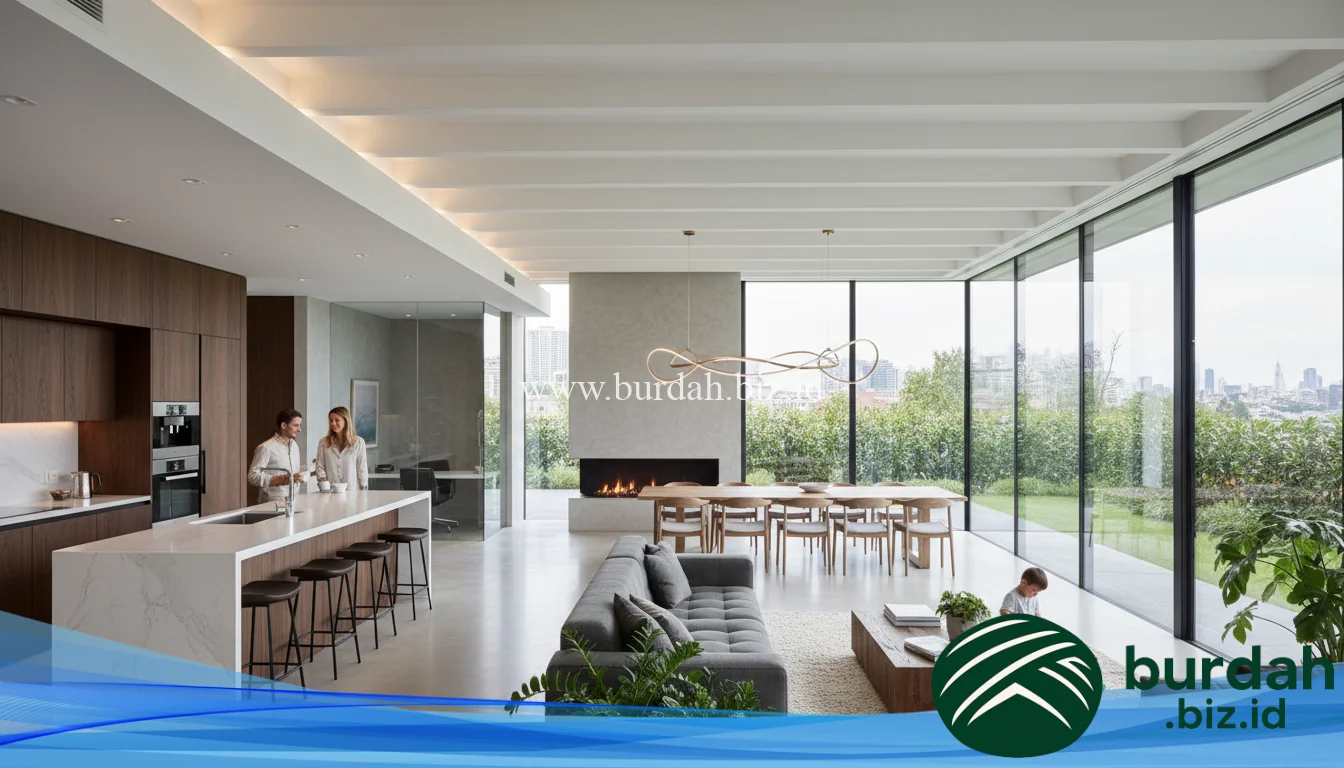
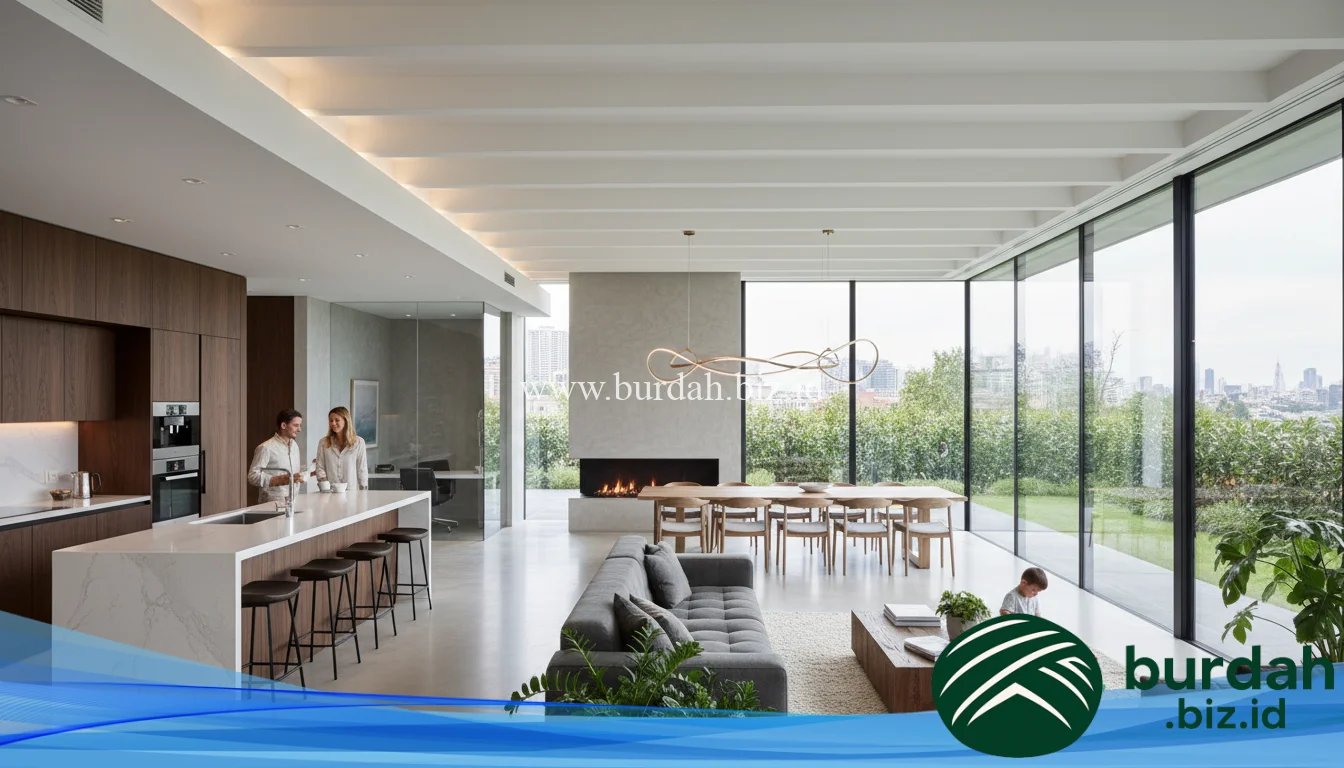
The central idea revolves around creating a singular, multi-functional area, often referred to as the “great room.” This space typically merges the kitchen, dining room, and living room into one cohesive whole. The goal is to enhance family interaction and make entertaining a breeze. No longer is the person cooking isolated from the conversation happening in the living room. Instead, they are part of the action. This design philosophy champions sightlines. From almost any point in the great room, you should be able to see and interact with others. This visual connection fosters a feeling of togetherness and makes a smaller square footage feel significantly larger and more impressive. The psychological effect is powerful; fewer physical barriers lead to fewer perceived social barriers, encouraging a more fluid and casual lifestyle.
Deconstructing the Great Room Anatomy
At the heart of any successful open layout is the great room, a trinity of function that needs to be carefully choreographed. Think of it as three distinct rooms without the walls, each with its own purpose, yet all sharing the same air and light. Understanding this part of the open plan anatomy is critical. The kitchen, once a purely utilitarian space hidden away, is now the command center. It’s on full display. This transformation places immense importance on the kitchen island, which acts as the new hearth of the home. It is a multitasking marvel, serving as a prep surface, a casual dining spot, a homework station, and a natural social gathering point during parties. Its design and placement can subtly delineate the kitchen zone from the rest of the open area without creating a true barrier.
Next comes the dining area. In an open concept, formal dining rooms often feel out of place. The dining space becomes a more integrated, flexible zone. The challenge is making it feel intentional and not like a random table floating in a void. This is where clever design cues come into play. A large, statement lighting fixture, like a chandelier, hung low over the table, immediately anchors the space and defines its purpose. An area rug placed under the table and chairs performs a similar function, creating a visual “room” on the floor. The furniture itself, its scale and style, must complement both the kitchen and the living areas to maintain a cohesive look.
Finally, there is the living area. This zone needs to feel comfortable and inviting, a place for relaxation and conversation, even when it’s completely exposed to the kitchen’s hustle and bustle. The key is in the furniture arrangement. Instead of pushing sofas and chairs against non-existent walls, group them together to create a self-contained conversation pit. Placing a large sofa with its back toward the dining or kitchen area can create a powerful, albeit low, psychological barrier that signals a shift in function. This strategic grouping fosters intimacy within the vastness of the open plan, proving that coziness is not dependent on walls, but on thoughtful arrangement.
Structural Beams and Support Systems
Here is a truth many home renovation shows conveniently gloss over. You cannot just take a sledgehammer to any wall you dislike. Many interior walls are load-bearing, meaning they are critical structural components holding up the floor above or the roof. Removing one without proper support is a recipe for catastrophic failure. This is a non-negotiable part of the anatomy of an expansive open-concept floor plan. Before any demolition begins, a structural engineer must assess which walls are carrying a load and design a system to redistribute that weight effectively.
The most common solution is the installation of a beam. This isn’t just any piece of wood. Often, it’s a Laminated Veneer Lumber (LVL) beam, an engineered wood product that is incredibly strong and stable over long spans. For even wider openings or heavier loads, a steel I-beam might be required. These beams are typically hidden within the ceiling for a seamless, flat finish, but this requires raising the ceiling height or accepting a slightly lower ceiling in that area. It’s a trade-off. A significant one.
Some architects and designers, however, choose to make these structural elements a deliberate part of the aesthetic. Instead of hiding the beam, they expose it. A rustic, hand-hewn wood beam can add immense character and warmth to a modern farmhouse design. An industrial-style steel beam, left in its raw state or painted a bold color, can become a striking feature in a contemporary or loft-style space. Similarly, support columns, which are sometimes necessary to break up an exceptionally long span, can be wrapped in decorative materials like wood, stone, or drywall to become elegant architectural pillars rather than awkward obstacles. These structural bones are not something to be ignored; they are a foundational part of the design conversation.
The Flow of Light and Air
One of the most celebrated benefits of an open-concept design is the incredible abundance of natural light. It is a huge selling point. When interior walls are removed, light from windows on one side of the house can travel uninterrupted to the very core of the home, illuminating areas that would have previously been dark and gloomy. This creates a brighter, more cheerful environment that can have a genuinely positive impact on mood and well-being. To maximize this effect, designers often incorporate large banks of windows, sliding glass doors that open onto a patio, or even skylights to pull in light from above. The effect is a space that feels connected to the outdoors and changes dynamically with the time of day and the seasons.
This unimpeded flow also applies to air, which presents both advantages and significant challenges. On one hand, it can create a wonderful sense of airiness and improve cross-ventilation. On the other hand, it means everything travels. The beautiful aroma of baking bread can fill the entire living space. So can the less-pleasant smell of burnt toast or spicy fish. This is where the mechanical systems within the open plan anatomy become crucial. A high-quality, powerful, and, importantly, quiet range hood is not a luxury; it is an absolute necessity. It must be capable of efficiently venting cooking odors, grease, and steam directly outside, preventing them from permeating your sofas, curtains, and rugs. Similarly, heating and cooling a large, open volume of space can be less efficient and more costly than conditioning smaller, separate rooms. Proper insulation, energy-efficient windows, and a well-designed HVAC system are critical to maintaining comfort without exorbitant utility bills.
Defining Zones Without Using Walls
Creating a successful open-concept space is an exercise in suggestion. You have to create the illusion of separate rooms without the benefit of walls and doorways. This is where the artistry of interior design truly shines, using a collection of subtle and not-so-subtle cues to define functional zones. It’s about building a visual language that intuitively tells people how to use the space. Honestly, this is the part that separates a great open plan from a confusing, oversized room.
There are numerous techniques to achieve this, and they often work best in combination. Here are some of the most effective tools in the designer’s arsenal:
-
Flooring Transitions: This is a powerful and permanent way to delineate space. You might use durable, easy-to-clean porcelain tile in the kitchen area, which then transitions to warm hardwood or engineered wood in the dining and living zones. The line where these two materials meet creates a clear, yet unobtrusive, threshold.
-
Area Rugs: Perhaps the most common and flexible tool. A large rug in the living area instantly grounds the furniture grouping, creating a distinct “room” within the larger space. A different rug under the dining table does the same. They add color, texture, and a crucial layer of definition.
-
Furniture Grouping: As mentioned earlier, the arrangement of furniture is paramount. Sofas, especially sectional ones, can act as partial walls, directing traffic flow and separating the lounge area from a walkway or the dining space. The key is to float furniture away from the perimeter walls, creating purposeful islands of activity.
-
Lighting Fixtures: A layered lighting plan is essential for both function and definition. Different styles and heights of fixtures can signal a change in purpose. Think of a dramatic chandelier for the dining area, a series of sleek pendant lights illuminating the kitchen island, and a network of recessed lights on a dimmer for ambient light in the living area. Task lighting, like reading lamps, further solidifies the purpose of a specific spot.
-
Ceiling Treatments: The “fifth wall” is an often-underutilized surface for creating zones. A dropped ceiling or a bulkhead over the kitchen can visually lower the height, making it feel more contained. Coffered ceilings or exposed beams can be used over the living or dining areas to add architectural interest and define their boundaries from above. Even a simple change in paint color on a section of the ceiling can have a surprisingly powerful effect.
-
Partial Dividers: Sometimes, a bit more separation is needed. This can be achieved with elements that divide space without completely blocking light or sightlines. Think of a tall, open-backed bookshelf, a decorative screen, a half-wall with a countertop, or even a double-sided fireplace. These elements provide a sense of enclosure while maintaining the overall open feeling.
The Unspoken Challenge of Acoustics
Let’s talk about the biggest, and often most overlooked, drawback of open-concept living: noise. Sound waves love hard, flat surfaces. In a traditional home with separate rooms, walls, doorways, and soft furnishings absorb and block sound. In an open-plan home, sound travels. It bounces off hardwood floors, stone countertops, large windows, and drywall ceilings with glee. This means the clatter of pots and pans in the kitchen, the whir of the blender, the dialogue from the television, and a phone conversation can all compete for attention at the same time. It can create a constant, low-level hum of activity that can be draining for some people, especially those who are sensitive to noise or need quiet to concentrate.
The acoustic performance is a vital component of the open plan anatomy that demands a proactive solution. You cannot wait until you’ve moved in to discover you’re living in an echo chamber. Sound management must be part of the initial design. The most effective strategy is to introduce soft, sound-absorbing materials wherever possible. This includes:
-
Soft Furnishings: These are your first line of defense. Large area rugs with thick pads underneath do wonders for floor sound reflection. Heavy curtains or fabric blinds are far better acoustically than hard shutters. Choose upholstered furniture like fabric sofas and armchairs over leather, which is more reflective. Throw pillows and blankets also help.
-
Acoustic Panels: For spaces with persistent echo problems, acoustic panels can be a lifesaver. Modern acoustic panels are not the ugly foam squares of the past. They can be wrapped in fabric, printed with custom art, or designed to look like textured wall panels, seamlessly integrating into the decor while secretly soaking up excess noise.
-
Textured Surfaces: Breaking up large, flat surfaces helps to diffuse sound. This can be achieved with a textured wallpaper, a limewash paint finish, or a feature wall made of reclaimed wood or shiplap. Even a large, canvas-based piece of art is better than a bare wall.
-
Bookshelves: A large bookshelf, filled with books of varying sizes and depths, is an excellent sound diffuser. The irregular surfaces of the book spines scatter sound waves, preventing them from bouncing around the room. It’s a functional and aesthetically pleasing solution.
Is This Design Right For You?
After dissecting the structure, the flow, and the challenges, the ultimate question remains. Is an open-concept floor plan the right choice for your lifestyle? The answer isn’t a simple yes or no. It requires an honest assessment of your family’s habits, your tolerance for mess and noise, and your personal need for privacy. It’s a design that makes a very specific set of promises, and you need to decide if those are promises you want to live with every day.
The advantages are clear and compelling. It’s a fantastic layout for people who love to entertain, allowing the host to be part of the party while preparing food and drinks. It’s also ideal for families with young children, as parents can easily supervise kids playing in the living area from the kitchen. The shared light and sense of space can make even a modest home feel grand and welcoming. There is an undeniable social energy to a well-designed open plan that encourages interaction and a shared family life.
However, the disadvantages are just as real. The lack of privacy can be a major issue. There is no quiet corner to escape to for a phone call or to read a book if the television is on. If one person works from home, finding a quiet, dedicated workspace can be nearly impossible without a separate, closed-off room. The mess is also a constant factor. There’s nowhere to hide a sink full of dirty dishes or a pile of kids’ toys; your entire living space is on display at all times. This requires a certain level of discipline and a commitment to staying organized. A successful open-concept plan is not just a design choice. It’s a lifestyle choice, one that favors togetherness and visual cohesion over privacy and compartmentalization. Understanding the complete open plan anatomy, both its beautiful skeleton and its challenging realities, is the only way to make an informed decision.