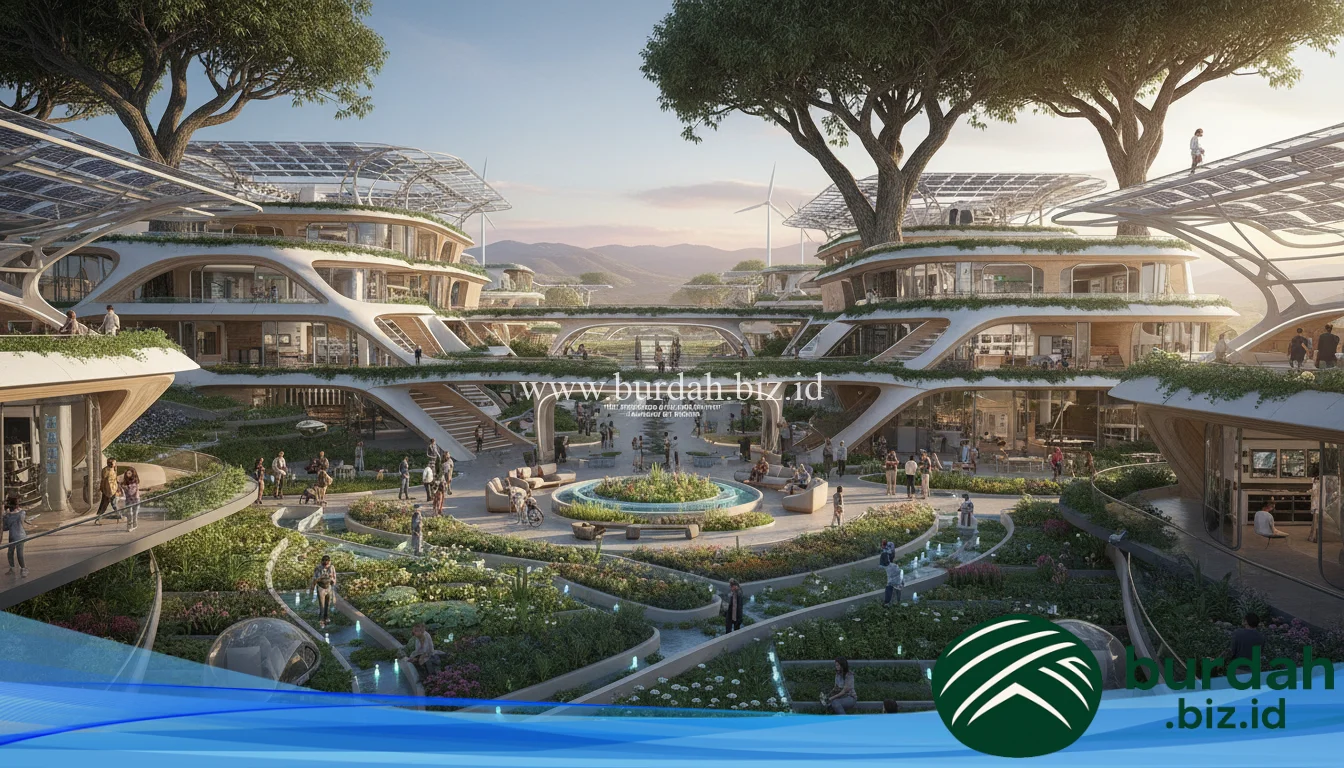
Our homes are often boxes. Insulated, comfortable, but fundamentally disconnected from the world they occupy. We pull power from a distant grid, water from a municipal source, and push our waste somewhere far away, a place we never have to see. This separation is a modern invention, and honestly, it’s a flawed one. It creates a dependency that is both fragile and destructive. Living System Architecture offers a radical, yet deeply ancient, alternative. It’s about designing buildings and communities not as isolated objects, but as living, breathing organisms that are fully integrated with their local environment. This isn’t just about slapping some solar panels on a roof. It’s a complete philosophical shift in how we conceive of shelter and our place within the natural world. It’s about creating a home that functions like an ecosystem.
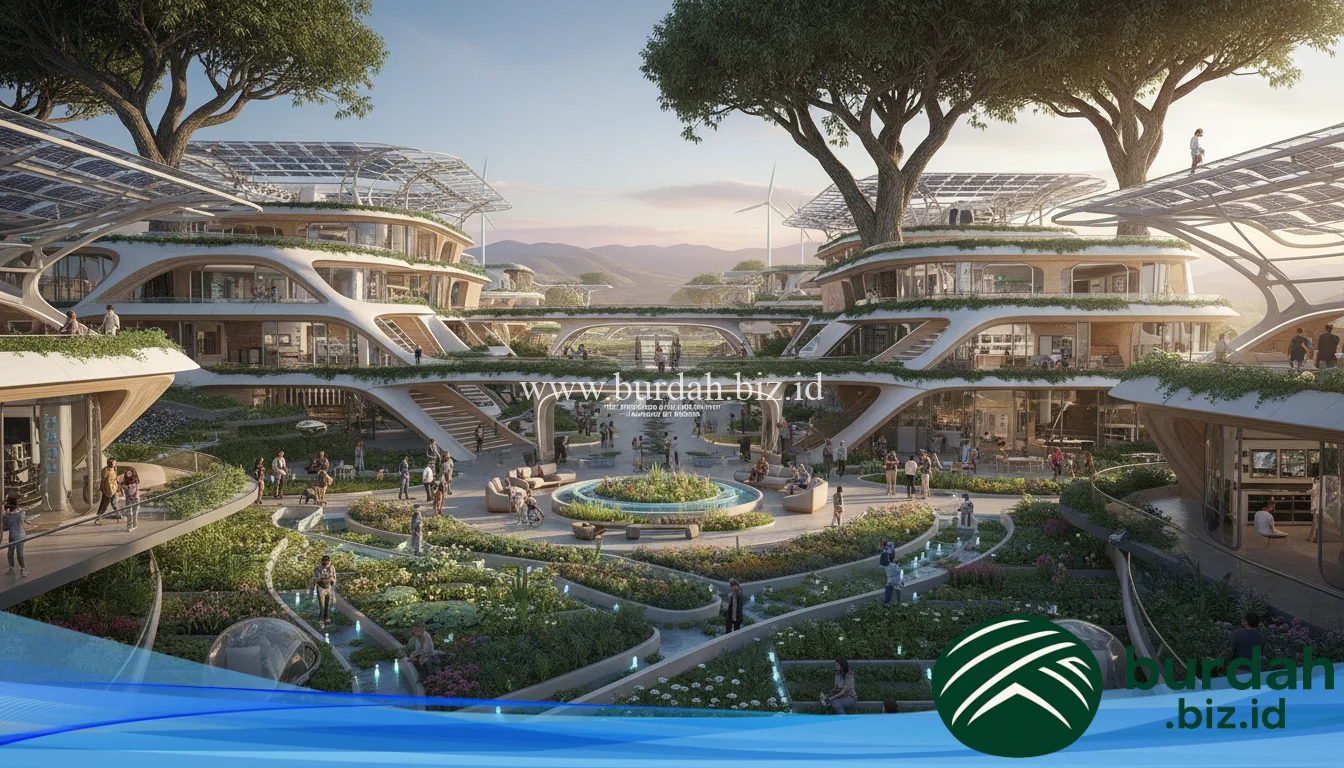
Beyond Sustainability to Regeneration
The word “sustainable” gets thrown around a lot. It has become a marketing buzzword, often meaning little more than “slightly less bad.” The goal of sustainability is to maintain the status quo, to do no further harm. Let’s be real, that’s a pretty low bar to set, especially given the current state of our planet. Living System Architecture aims for something far more ambitious: regeneration. A regenerative environment doesn’t just sustain itself; it actively improves its surroundings. It builds topsoil. It cleans water. It enhances biodiversity. It sequesters carbon. Think about it. A natural forest doesn’t just sustain itself; it creates the conditions for more life to flourish. That is the model. A home designed with these principles becomes a net positive, a source of abundance for both its inhabitants and the local ecosystem. It moves from a parasitic relationship with the planet to a symbiotic one. This is a profound departure from conventional construction, which is almost always an extractive and polluting process from start to finish. The very construction of a regenerative home is designed to minimize impact, and its operation is designed to heal.
Living System Architecture 1
The Principle of Interconnectedness
The core concept of this design philosophy is interconnectedness. Nothing exists in isolation. In a conventional home, the systems are separate. The plumbing system has no relationship with the electrical system, which has no relationship with the garden. In an integrated living environment, these are all threads of the same cloth. The design seeks to create beneficial relationships between all components, mimicking the elegant efficiency of nature. Waste from one system becomes the input for another. This creates closed-loop cycles that are resilient and incredibly efficient. It’s about smart, holistic planning from the very beginning. You can’t just add these features later. They must be woven into the very DNA of the building from the initial design phase.
Consider these examples of interconnected flows:
-
Water and Plants: Greywater from showers and sinks is filtered through an indoor planter bed filled with specific plants that purify the water. This water can then be used to flush toilets or irrigate a food garden. The plants benefit, and water consumption is drastically reduced.
-
Waste and Food: Kitchen scraps and humanure (after a composting process) are turned into rich soil amendment for the gardens that produce food for the inhabitants. The waste stream is eliminated, and soil fertility is built over time, creating a true food-to-waste-to-food cycle.
-
Energy and Shelter: The building itself is designed to capture and store energy. A south-facing greenhouse (in the northern hemisphere) not only provides a space to grow food year-round but also acts as a passive solar heater for the main living area during the winter. Thermal mass, like a thick concrete or stone floor, absorbs this heat during the day and slowly releases it at night.
These are not just clever tricks. They are fundamental design choices that create a home that works with natural forces instead of constantly fighting against them with brute-force energy inputs. The result is a system that is far more resilient to disruptions in external supply chains, whether it’s the power grid going down or a drought affecting the municipal water supply.
Living System Architecture 2
Energy as a Flow, Not a Commodity
Our current relationship with energy is transactional. We buy it, we use it, and we don’t think much about where it comes from. Living System Architecture treats energy as an ambient flow to be harnessed, stored, and used wisely. The first rule is to radically reduce the need for energy in the first place. This is achieved through intelligent, climate-specific design. It starts with the orientation of the building on the land, maximizing passive solar gain in the winter and minimizing it in the summer. It involves super-insulation, airtight construction to prevent heat loss, and high-performance windows. These are not exciting technologies, but they are the bedrock of an energy-efficient structure. They are the quiet workhorses that do most of the heavy lifting. Only after these passive strategies have been fully exploited does active energy generation come into play.
Active systems like photovoltaic solar panels and solar hot water heaters are then integrated to meet the building’s drastically reduced energy needs. The goal is to produce more energy than the home consumes over the course of a year, becoming a net-zero or even a net-positive building. But it’s also about how that energy is used. Geothermal systems can use the stable temperature of the earth to provide incredibly efficient heating and cooling. Heat recovery ventilators (HRVs) ensure a constant supply of fresh air without losing the thermal energy of the air being exhausted. It’s a multi-pronged approach that sees energy not as a product to be consumed, but as a dynamic force to be managed with elegance and intelligence. The house breathes. It warms and cools itself. It works with the daily and seasonal cycles of the sun.
Water’s Cyclical Journey in Design
In most places, clean, potable water is used for everything from drinking to washing cars to flushing toilets. This is, frankly, an insane waste of a precious resource. An integrated living environment respects water by designing a system that uses it multiple times before it leaves the site, cleaner than when it arrived. The journey begins with rainwater harvesting. All roof surfaces are designed to capture rain and direct it into cisterns for storage. This water is used for drinking, cooking, and bathing after appropriate filtration. The next stage is the greywater system. Water from showers, laundry, and bathroom sinks doesn’t go down the drain to a sewer. Instead, it is diverted to an indoor biological filter, often a beautiful greenhouse or planter, where plants and microbes do the work of cleaning it. This treated greywater is then perfect for irrigating gardens or flushing toilets. This single strategy can reduce a household’s demand for fresh water by over 50%. Finally, there is blackwater—the water from the toilet. Instead of being flushed away with gallons of clean water, it is often treated on-site using a composting toilet or a contained, engineered wetland system. This process treats the waste and transforms it into a safe, nutrient-rich resource for fertilizing non-edible plants or orchards. The water cycle is contained within the property, mimicking the natural hydrological cycle and protecting local watersheds from pollution.
Living System Architecture 3
Waste Becomes a Valuable Resource
There is no such thing as “waste” in a natural ecosystem. The output of one organism is always the input for another. Living System Architecture applies this exact principle to the human habitat. The goal is to design out the very concept of trash. It starts with conscious consumption, of course, but it is deeply embedded in the physical systems of the home. Every potential waste stream is analyzed and a use is found for it. Organic waste from the kitchen is the most obvious example. It is never thrown away. It is composted, fed to worms in a vermicomposting bin, or even fed to chickens, all of which produce incredibly valuable fertilizer for the food-producing gardens. This closes the nutrient loop. Instead of buying fertilizer that was produced using fossil fuels and shipped across the country, the home produces its own, building soil health and food security simultaneously.
This principle extends beyond just organic matter. The design process itself seeks to minimize construction waste by using standard material sizes and planning cuts carefully. Materials are chosen for their durability and ability to be repaired, reused, or recycled at the end of their life. The house is not seen as a disposable product but as a collection of valuable materials that are temporarily arranged to provide shelter. This mindset shift is crucial. When you stop seeing things as “waste,” you start seeing opportunities for creativity and resourcefulness. A broken tool isn’t trash; it’s a source of spare parts. A plastic container isn’t disposable; it’s a mini-greenhouse for starting seeds. The entire environment encourages a culture of stewardship and ingenuity.
Integrating Food Production Systems
A home that doesn’t produce at least some of its own food is completely dependent on a long, fragile, and energy-intensive industrial food system. Integrating food production is a cornerstone of a resilient living environment. This is not about having a massive farm. It’s about intelligently weaving food-producing plants into the fabric of the home and landscape. Permaculture principles are often used to guide the design, creating a food forest that mimics a natural woodland ecosystem, with different layers of plants working together to support each other. Fruit and nut trees form the canopy, with berry bushes, perennial vegetables, and ground covers underneath. This creates a low-maintenance, high-yield system that improves over time.
The integration can be very direct. As mentioned, a greenhouse attached to the living space can provide fresh greens and herbs year-round, even in cold climates. Vertical gardens can be used on walls and patios to grow a surprising amount of food in a small footprint. Aquaponics systems, which combine raising fish with soilless plant cultivation, can create a highly productive closed-loop system where fish waste fertilizes the plants, and the plants clean the water for the fish. Even small animals like chickens or rabbits can be integrated, providing eggs and meat while also helping with pest control and producing valuable manure for the garden. The goal is not necessarily complete self-sufficiency, but increased resilience, better nutrition, and a deeper connection to the food we eat.
Living System Architecture 4
Material Selection and Embodied Energy
The materials used to build a structure are just as important as the systems that run within it. Conventional construction often uses materials with high embodied energy—that is, materials that require a huge amount of energy to manufacture and transport, like concrete, steel, and vinyl. A Living System Architecture approach prioritizes local, natural, and recycled materials. Using materials sourced from the site itself or the immediate region, such as stone, earth, or timber, dramatically reduces the transportation footprint. Natural materials like straw bales, cob (a mix of clay, sand, and straw), rammed earth, and light straw-clay are excellent choices. They are not only low-impact but also create breathable, healthy walls that regulate humidity naturally. These materials are “carbon-storing” rather than “carbon-emitting.” A timber-framed house literally stores carbon that the tree absorbed from the atmosphere for the entire life of the building.
Recycled materials also play a significant role. Reclaimed lumber, salvaged fixtures, and insulation made from recycled newspaper (cellulose) or blue jeans are all ways to divert materials from the landfill and reduce the demand for virgin resources. The entire life cycle of a material is considered. What happens to this material in 100 years? Can it be safely returned to the earth? Can it be reused? A home built from natural materials can, at the end of its useful life, simply decompose and become part of the soil again, completing its cycle. This is a far cry from the toxic, landfill-bound rubble that a conventional demolition produces.
Human Well-being at the Core
An integrated living environment is not just an ecological machine. It must be a place that nurtures the health and happiness of its human inhabitants. This is where the principles of biophilic design come in. Biophilia is the innate human tendency to connect with nature. A home that incorporates these principles uses natural materials, maximizes natural light, provides views of the outdoors, and incorporates plants and water features. The air quality is superior due to the lack of toxic off-gassing materials and the presence of living plants and natural ventilation. The connection to the systems of the house—seeing the garden that processes your water, tending the plants that provide your food—creates a powerful sense of place and purpose. It fosters a deep understanding of the natural cycles that support our lives. This is a powerful antidote to the abstraction and disconnection of modern life. These homes are designed to be beautiful, comfortable, and inspiring spaces that promote both physical and psychological well-being. They provide a sanctuary that is not just sealed off from the world, but deeply and meaningfully connected to it.
The Role of Technology and Symbiosis
This approach to design is not anti-technology. Far from it. It embraces technology, but it does so selectively and with a clear purpose. Technology is a tool used to enhance the efficiency and function of the natural systems, not to replace them. For instance, a sophisticated monitoring system can track energy production and consumption, water levels in cisterns, and soil moisture in the garden, allowing the inhabitants to manage their resources with precision. Automated vents in a greenhouse can open and close based on the temperature to optimize growing conditions. High-efficiency pumps and LED lighting reduce energy use. The key difference is the philosophy. In conventional “smart homes,” technology is often used to add layers of convenience and control that further isolate us from our environment. In a , technology is used to deepen our understanding and improve our symbiotic relationship with the environment. It serves the system, rather than dominating it. The goal is a fusion of ancient wisdom and modern innovation, creating something that is far more resilient and intelligent than either could be on its own.
Ultimately, the principles of an integrated living environment are a blueprint for a different way of life. They challenge the fundamental assumptions of modern building and living. They prove that our homes can be sources of abundance, health, and regeneration, rather than consumption and waste. It requires more thought, more intention, and a deeper understanding of ecology than simply building a standard house. The result, however, is not just a building. It’s a partnership with a place. It’s a home that is truly alive.