Government’s Cash Mandate May Not Apply in Towns Without Banks, Treasury Admits
Major supermarkets and fuel retailers in Australian towns left without banking services could receive exemptions from the Federal Government’s proposed cash mandate. This possibility was confirmed by a top Treasury official during a Senate Estimates hearing, raising new questions about the future of cash access for regional communities.
The revelation came during a line of questioning from West Australian Senator Tyron Whitten, who has been probing the decline of regional banking services. He presented a critical scenario to the Financial System Division’s first assistant secretary, Lynn Kelly.
“If a location where are supermarket or fuel outlet is located doesn’t have a bank branch or reliable financial institution to obtain cash floats or deposit business takings, will this be considered an exceptional circumstance?”
Ms. Kelly’s response was brief but significant. “It could be,” she replied.
A Loophole Based on “Exceptional Circumstances”
The proposed cash mandate is designed to ensure businesses continue to accept physical currency, but this potential exemption creates a major carve-out. The core of the issue lies in the lack of local infrastructure for businesses to manage the cash they receive. Without a nearby bank, handling daily takings and securing change becomes a logistical and security nightmare.
Lynn Kelly clarified that the draft regulations do not provide a concrete definition of what constitutes an “exceptional circumstance.” Each application for an exemption would be evaluated individually. The Australian Competition and Consumer Commission (ACCC) would be the body responsible for making these case-by-case decisions.
After acknowledging the problem, Kelly pointed to a different government initiative intended to address the root cause. She mentioned a separate project by the Council of Financial Regulators focused on creating a “cash regulatory framework.” A primary goal of this framework is to ensure affordable and reliable access to cash across Australia. The two policies, she noted, “need to fit together.”
The Queenstown Case: A Real-World Crisis
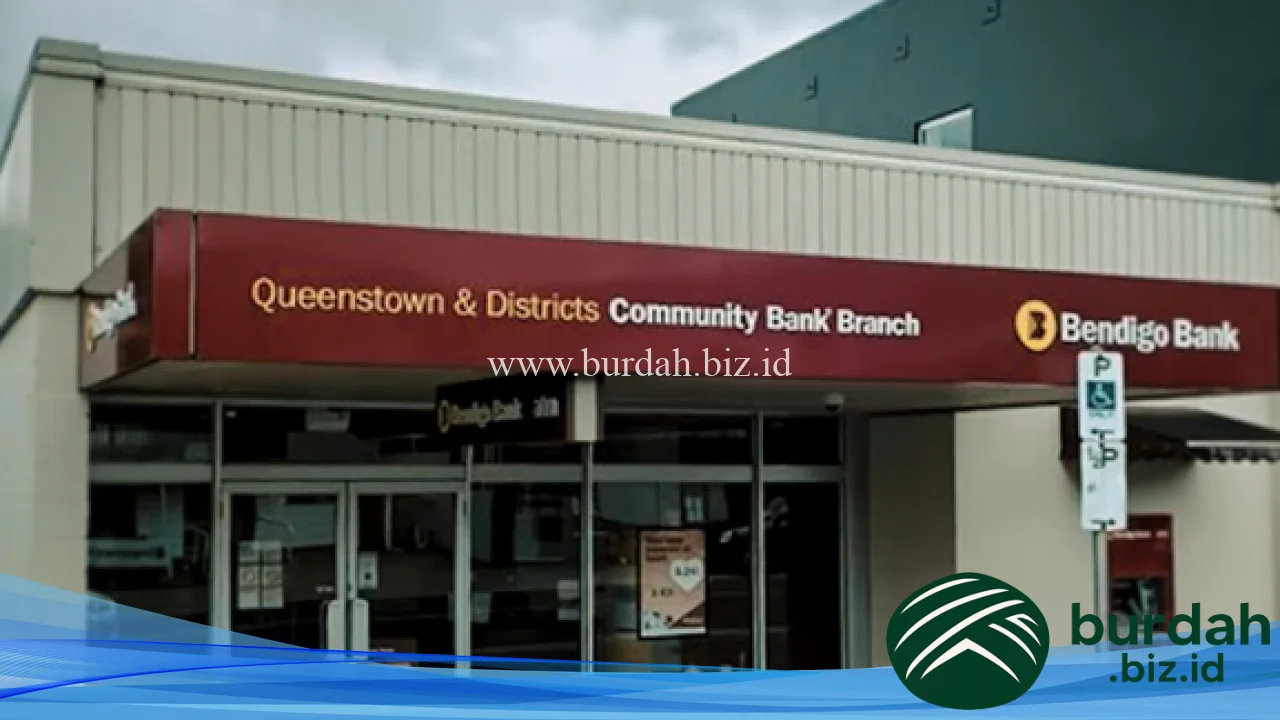
To highlight the urgency of the situation, Senator Whitten presented a stark, real-world example from Queenstown, Tasmania. The town recently lost its last bank branch. This followed a decision by a local petrol station two years ago to stop accepting cash payments altogether.
The burden fell on the local post office. It has struggled to meet the community’s demand for cash, sometimes resorting to social media to plead for spare change. The fact that an entire town was running out of physical money became a national news story. Senator Whitten asked if a major supermarket or service station in a place like Queenstown would be granted an exemption.
“Again, that would be something for the regulator to consider; however, the cash regulatory framework that the Council of Financial Regulators has been working on has been looking at how to ensure there is affordable access to cash and some of the features that have been consulted on are service-level standards for regional Australia.”
Ms. Kelly again deferred to the other framework. No timeline or further details on when this parallel regulatory solution might be introduced were provided during the hearing.
Government Sidesteps Senate Report, Works Directly With Banks
The hearing also brought to light the government’s inaction on formal recommendations from a major inquiry. The final report from the Senate Inquiry into regional bank closures was tabled over 18 months ago, yet it has received no official government response.
Instead, Treasury has been engaging directly with the major banks to develop its own initiatives. Senator Whitten questioned the logic of this approach.
“If there is no mandate for banks to provide cash services out in the regions, how could the cash mandate be effective for regional communities?”
Ms. Kelly confirmed Treasury’s direct involvement with the banking sector. “We have been working very actively with the banks in relation to regional banking services and how to shore them up,” she stated. She also mentioned Treasury’s role in Westpac’s recent announcement to partner with local councils to restore some banking services. This scheme has already faced criticism from figures like David Heine of the Regional Banking Alliance, who argues it separates “the profitable part of banking from the social contract of providing real branch services.”
The situation leaves regional Australians in a precarious position. While a cash mandate aims to protect their ability to use physical money, a lack of basic banking infrastructure may give the largest local businesses a way out, potentially accelerating the decline of cash in the very communities that need it most.