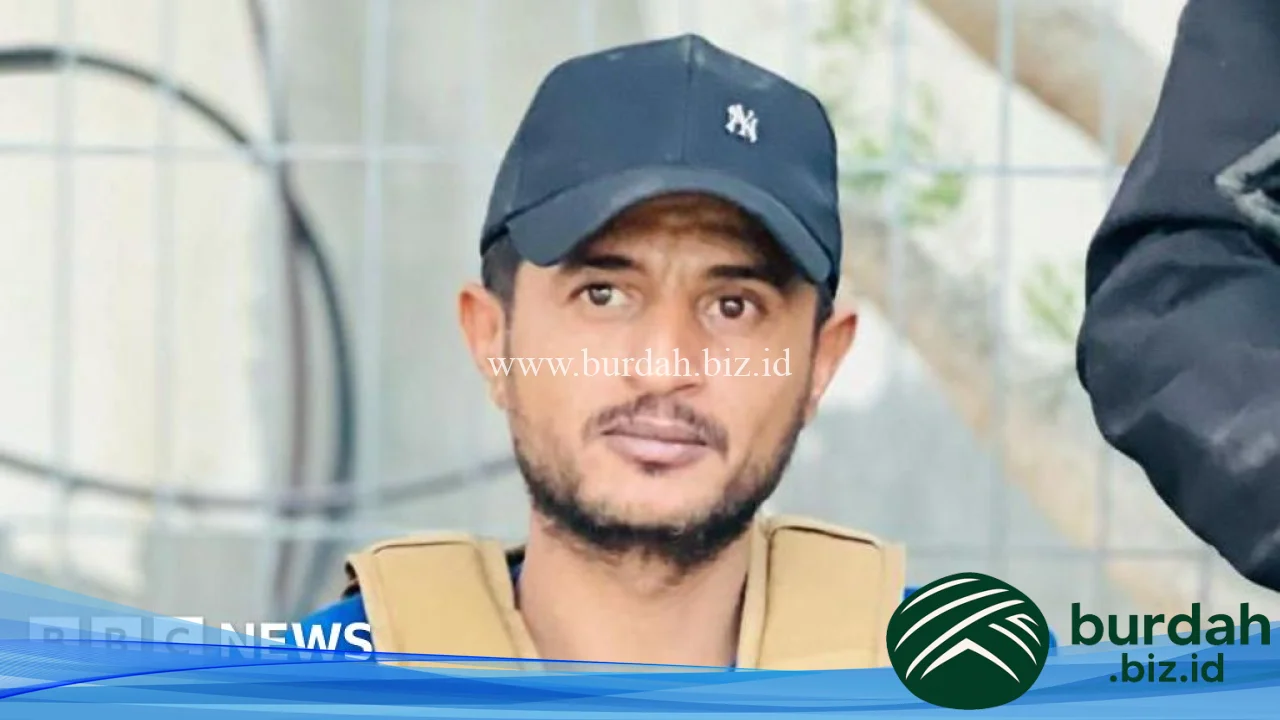
A prominent Palestinian militia leader known for his opposition to Hamas has been killed in Gaza, sparking a storm of conflicting reports and accusations. Yasser Abu Shabab, head of the Popular Forces group, was a controversial figure in the war-torn territory. His death adds another layer of complexity to the volatile situation.
The circumstances of his death are shrouded in mystery. His own group, the Popular Forces, issued a statement claiming Abu Shabab was shot while “attempting to resolve a dispute” between members of a local family. They forcefully dismissed what they called “misleading” reports that Hamas was responsible.
A Tangle of Accusations
A completely different story emerged from Abu Shabab’s own Bedouin tribe, the Tarabin. An earlier statement from the tribe declared he had been killed “at the hands of the resistance.” They went further, accusing him of betraying the Palestinian people. Other unnamed sources suggested his death was simply the result of an internal power struggle within Gaza’s shifting alliances.
Hamas, which had previously accused Abu Shabab of collaborating with Israel, released a cryptic and menacing statement. Without directly claiming responsibility, the group said his end was a lesson.
The “fate that befell” Abu Shabab was “the inevitable fate of all who betray their people and homeland and are content to be tools in the hands of the occupation [Israel]”.
The confusion extended to the location of his death. Israel’s Army Radio, citing a security source, reported that Abu Shabab died from his wounds after being evacuated to Soroka hospital in Beersheba, Israel. The hospital, however, denied that he died while under its care.
A Figure at the Center of Controversy
Yasser Abu Shabab and his Popular Forces, a group with dozens of fighters, operated in Israeli-controlled territory near the southern city of Rafah. The group has been at the center of serious allegations. Key points of contention include:
- Collaboration with Israel: In June, Israeli Prime Minister Benjamin Netanyahu confirmed that Israel was arming certain Palestinian clans in Gaza that opposed Hamas. Israeli media specifically reported that Netanyahu had authorized supplying weapons to the Popular Forces, a claim the militia denied.
- Looting Humanitarian Aid: The Popular Forces have been accused of looting aid trucks entering Gaza, an accusation they have also denied.
- Extremist Links: Reports in Israel have suggested that at least two members of the group have previous connections to the Islamic State group (IS).
Despite the controversy, Abu Shabab’s group has pledged to continue his work. In their statement, the Popular Forces vowed to stay on his “path until the last terrorist is eliminated from the soil of Gaza and a bright and secure future is built for our people, who believe in peace”.
Implications for Gaza’s Future
The killing comes at a critical time. Since a ceasefire began, Abu Shabab was reportedly one of several anti-Hamas leaders maneuvering for influence in a potential post-war Gaza. His death removes a key player from a complex board, just as discussions about the future governance of the territory were taking shape.
These discussions are part of a proposed second phase of a peace plan. This phase would reportedly involve establishing an interim government, deploying an international stabilization force, and overseeing the withdrawal of Israeli troops and the disarmament of Hamas. This follows a first phase where Hamas agreed to a hostage exchange for the release of Palestinian prisoners and an increase in humanitarian aid.
The war itself was triggered by the Hamas-led attack on southern Israel on October 7, 2023. That attack resulted in the deaths of about 1,200 people, with 251 others taken hostage. In response, Israeli attacks in Gaza have killed more than 70,120 people, according to the territory’s Hamas-run health ministry. The death of Yasser Abu Shabab now injects fresh uncertainty into an already catastrophic conflict.