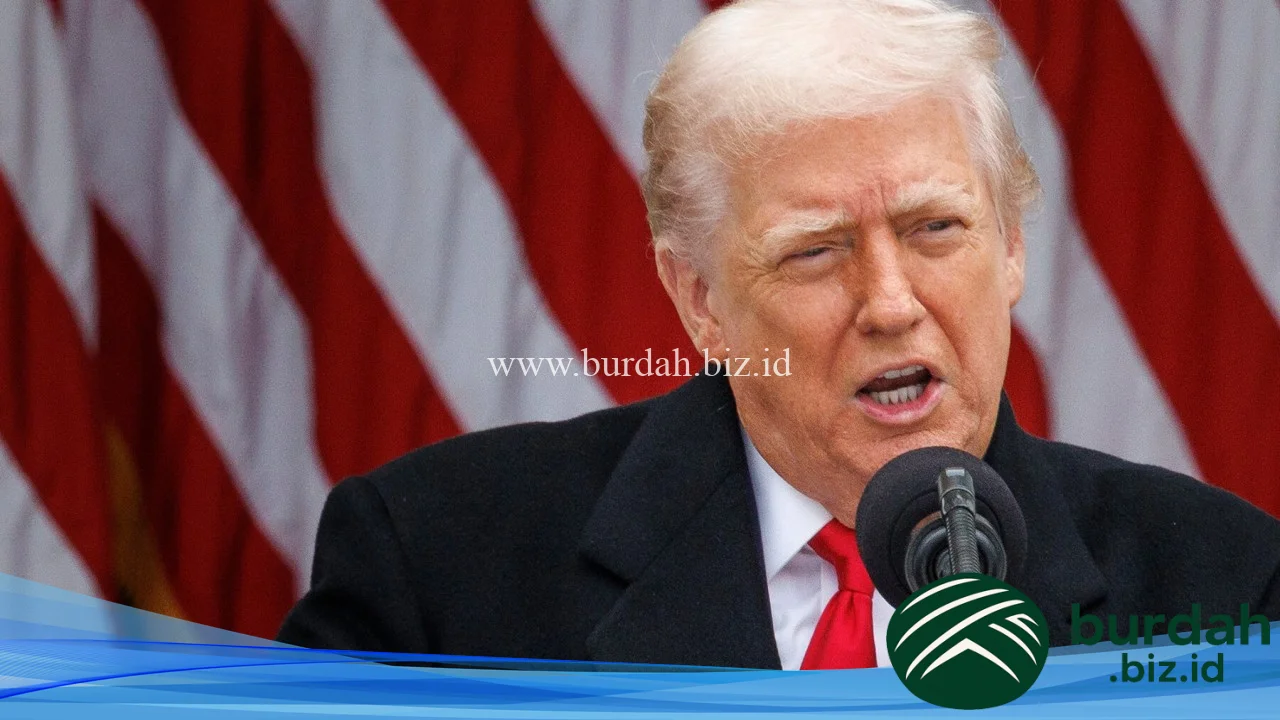
Trump Treated Foreign Policy Like a Business, Not a Mission
The presidency of Donald Trump represented a fundamental shift in American foreign policy. It was an era defined by a departure from the post-war diplomatic consensus. Instead of institutional norms, the guiding principle often appeared to be a transactional, results-oriented approach more familiar in a corporate boardroom than in the State Department. This was foreign policy conducted as a series of deals. The goal was a tangible win for the United States, measured in economic terms or perceived strength.
Alliances were re-evaluated. Long-standing partnerships were questioned. The entire structure of international relations seemed to be placed on a balance sheet, with every commitment and treaty scrutinized for its immediate return on investment.
Alliances as Ledger Items
For decades, American alliances like NATO were considered sacred pillars of global security. The Trump administration viewed them through a different lens. They were seen as arrangements with costs and benefits. The focus shifted intensely to the financial contributions of member nations, particularly the NATO guideline for members to spend 2% of their GDP on defense. This wasn’t just a talking point. It became the central issue in discussions with European partners.
The logic was simple. It was a business calculation. Are partners paying their fair share for the security guarantee provided by the United States? This perspective extended to relationships in Asia. Negotiations with South Korea and Japan frequently involved the cost of stationing American troops in those countries. The traditional view of these deployments—as forward-operating bases that project American power and ensure regional stability—was often secondary to the direct expense incurred by the U.S. taxpayer. This approach unsettled allies, who were accustomed to a relationship built on shared values and mutual defense, not just transactional obligations.
The core philosophy appeared to be that the United States should no longer subsidize the defense of wealthy nations. Each relationship had to stand on its own financial merits, a stark contrast to the mission-oriented diplomacy of previous administrations.
Bilateral Deals Over Global Pacts
The preference for one-on-one negotiations over complex, multilateral agreements was a hallmark of the Trump presidency. The world of international diplomacy is filled with large, multi-party treaties designed to address global problems. These were often seen by the administration as inefficient and restrictive to American interests. A direct negotiation was preferred. In that setting, the economic and political weight of the United States could be leveraged most effectively.
This philosophy led to several high-profile withdrawals from international agreements. The United States pulled out of the Trans-Pacific Partnership (TPP), a massive trade deal involving 12 Pacific Rim nations. It also withdrew from the Paris Agreement on climate change, arguing it placed an unfair economic burden on America. The Iran Nuclear Deal, a complex agreement negotiated by multiple world powers, was also abandoned. In their place, the administration pursued direct, bilateral actions.
- NAFTA Renegotiation: The North American Free Trade Agreement was replaced with the United States-Mexico-Canada Agreement (USMCA), a result of direct, often tense, negotiations with the two neighboring countries.
- China Trade War: Instead of using the World Trade Organization, the administration engaged in a direct trade conflict with China, imposing tariffs to force concessions on trade practices.
- Korean Peninsula Diplomacy: Historic summits with North Korean leader Kim Jong Un bypassed years of six-party talks, opting for top-level personal engagement.
Personal Diplomacy as the Ultimate Negotiation
Traditional diplomacy relies on established channels, experienced diplomats, and incremental progress. The Trump administration frequently favored a more personal, top-down style. This was leader-to-leader engagement. It was a belief that the right two people in a room could solve complex geopolitical problems that had stumped diplomats for decades. The summits with Kim Jong Un are the most prominent example of this strategy in action.
The approach elevated personal relationships with foreign leaders, sometimes even with traditional adversaries, over institutional ties with long-standing allies. This executive-level negotiation style also saw an unusual reliance on non-traditional envoys. Jared Kushner, the president’s son-in-law and senior advisor, played a central role in Middle East policy. His efforts were instrumental in negotiating the Abraham Accords, a series of normalization agreements between Israel and several Arab nations. Critics pointed to the lack of diplomatic experience, but supporters argued that this outsider perspective was exactly what was needed to break through old stalemates. It was, in effect, treating diplomacy like a family business, where trust and direct access to the principal decision-maker were the most valuable currencies. This method produced surprising breakthroughs but also created unpredictability, leaving the established foreign policy apparatus and international partners uncertain of the next move.