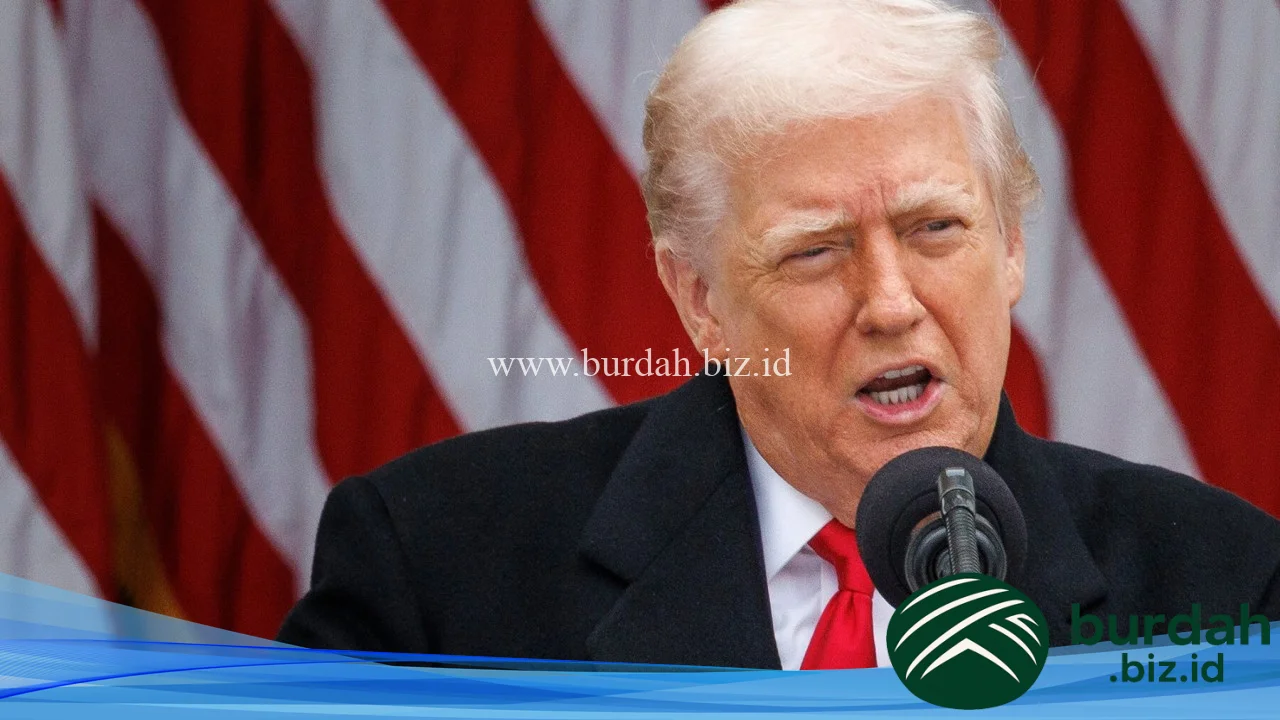
Trump’s Security Strategy: A Focus on Profits Over Traditional Alliances
During his term, former President Donald Trump’s administration initiated a significant shift in United States foreign and security policy. The “America First” doctrine represented a move away from decades of established diplomatic norms. Critics argue this new direction consistently prioritized immediate economic benefits and transactional deals over the long-term cultivation of democratic values and traditional alliances.
The approach was stark. It treated international relations much like a corporate negotiation. Alliances were re-evaluated based on financial contributions rather than shared history or values.
A Transactional Worldview
The core of the Trump administration’s strategy rested on a transactional philosophy. International agreements and security pacts were viewed through a cost-benefit lens, often focusing on monetary returns for the United States. This was most visible in the handling of long-standing alliances like NATO. President Trump repeatedly called on member nations to increase their defense spending to 2% of their GDP, framing the U.S. security guarantee as a service for which allies were delinquent in payment.
This perspective extended to global trade. The administration withdrew from the Trans-Pacific Partnership (TPP) and renegotiated the North American Free Trade Agreement (NAFTA) into the United-States-Mexico-Canada Agreement (USMCA). While proponents celebrated these moves as protecting American jobs, detractors pointed to the disruptive use of tariffs and the straining of relationships with key economic partners like Canada, Mexico, and the European Union. The goal was always a better “deal” for America, defined in largely economic terms.
The Middle East: Economics and Arms Deals
Nowhere was this strategy more apparent than in the Middle East. The administration’s landmark achievement, the Abraham Accords, normalized relations between Israel and several Arab nations, including the United Arab Emirates and Bahrain. Supporters hailed the agreements as a historic breakthrough for regional peace, achieved by bypassing long-stalled conventional diplomatic channels.
The foundation of these deals, however, prompts ongoing debate. The agreements were underpinned by significant economic incentives and sophisticated arms sales, most notably the approval of F-35 fighter jet sales to the UAE. Critics frame this as a clear example of prioritizing profits and strategic alignments against Iran over other considerations.
Many foreign policy analysts contend that the Accords were successful precisely because they set aside contentious issues, such as the Israeli-Palestinian conflict and the human rights records of the signatory nations, in favor of mutually beneficial economic and security arrangements.
Straining Democratic Partnerships
The transactional approach created friction with many of America’s closest democratic allies. The withdrawal from the Paris Agreement on climate change and the Joint Comprehensive Plan of Action (JCPOA), known as the Iran nuclear deal, were executed without significant consultation with European partners who were key signatories. These decisions were seen by many in the international community as a rejection of multilateral cooperation in favor of unilateral action.
The debate over the long-term effects of this policy continues. Proponents argue it was a necessary corrective to a foreign policy that spent American resources without sufficient return. They believe the focus on bilateral deals produced tangible results. Opponents maintain that the strategy eroded trust, weakened the international liberal order, and emboldened authoritarian regimes who were willing to engage in transactional diplomacy. The key points of disagreement often include:
- Effectiveness of “America First”: Did it truly benefit the American economy and security, or did it isolate the nation?
- Alliance Integrity: Was questioning the financial contributions of allies a necessary reality check or a damaging blow to collective security?
- Human Rights: Did the downplaying of democratic values and human rights in favor of deals create greater global instability?
- Long-Term Impact: Have the effects of this policy been lasting, or were they a temporary deviation from traditional U.S. foreign policy?
The legacy of this security strategy is a complex one. It challenged the foundational assumptions of post-World War II American diplomacy, forcing a global re-evaluation of alliances and interests. Whether this re-evaluation ultimately strengthened or weakened the United States’ position on the world stage remains a central question in modern international relations.