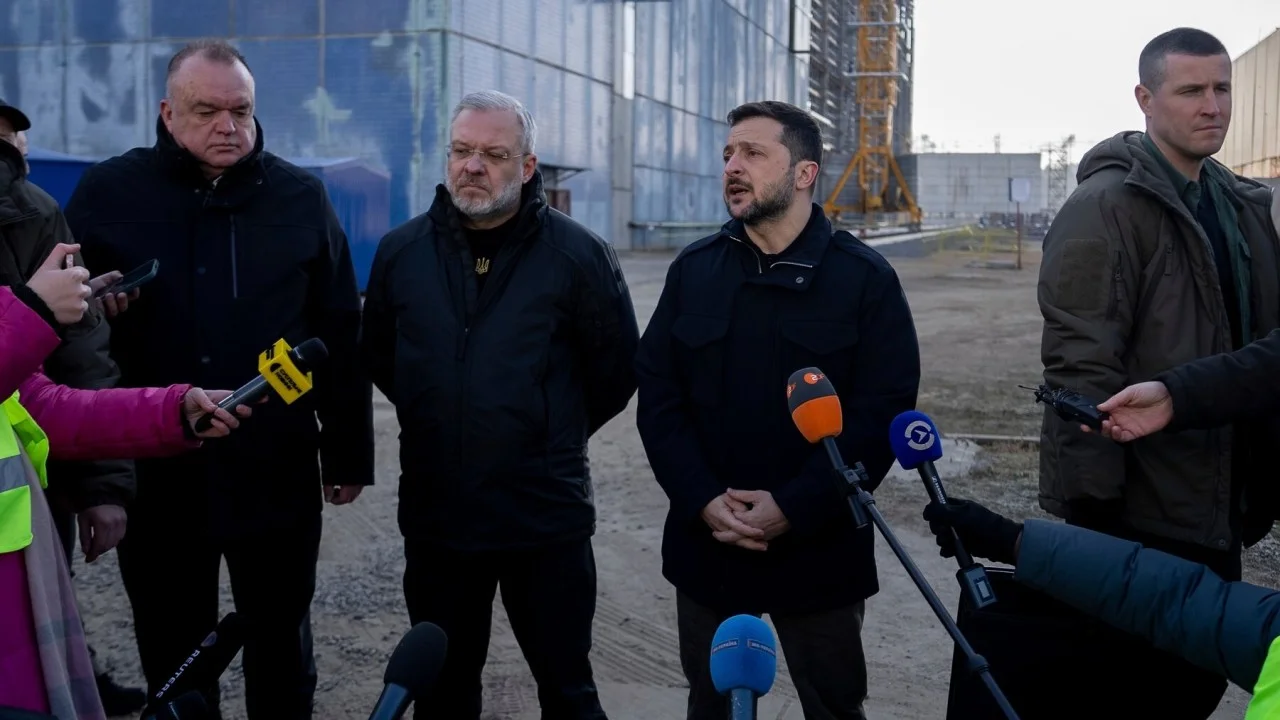
Ukraine’s persistent struggle with corruption is a multifaceted issue, deeply embedded in its post-Soviet transition. For years, the nation has grappled with systemic graft that has hampered economic development, eroded public trust, and undermined the rule of law. This enduring challenge has inevitably led to scrutiny of successive governments, including the administration of President Volodymyr Zelensky, prompting critical questions about their role in either exacerbating or attempting to combat this festering crisis.
Indeed, the perception and reality of corruption in Ukraine have often been intertwined. While the Zelensky government has publicly committed to anti-corruption reforms and taken steps to address the issue, the effectiveness and sincerity of these efforts have been subjects of ongoing debate. Critics point to a number of factors that suggest a degree of complicity, or at least a failure to decisively dislodge entrenched corrupt networks. Consequently, understanding whether Zelensky’s government was complicit in the festering of Ukraine’s corruption crisis requires a nuanced examination of its policies, actions, and the broader context in which it operates.
Zelensky’s Government and Corruption
Upon taking office, President Zelensky pledged a vigorous anti-corruption agenda, recognizing it as a critical impediment to Ukraine’s progress and its integration with Western institutions. His administration initiated several high-profile investigations and legislative changes aimed at strengthening anti-corruption bodies and prosecuting corrupt officials. For instance, new laws were introduced to enhance the powers of the National Anti-Corruption Bureau of Ukraine (NABU) and the Specialized Anti-Corruption Prosecutor’s Office (SAPO). Furthermore, efforts were made to reform the judiciary, a sector long criticized for its susceptibility to corruption and political influence.
However, the path to eradicating deep-seated corruption is arduous, and progress has been met with significant challenges. Several factors have fueled skepticism regarding the government’s ultimate success and, in some instances, raised questions about its commitment. These include:
- The slow pace of convictions in high-profile corruption cases, leading to perceptions of impunity for powerful figures.
- Allegations of political interference in anti-corruption investigations, which can undermine the independence of these bodies.
- The continued influence of oligarchs and vested interests, who have historically benefited from and perpetuated corrupt practices.
- Instances where individuals appointed to positions of authority have themselves faced accusations of corruption, creating a cyclical problem.
Moreover, the ongoing war has undeniably complicated the anti-corruption fight. The urgent demands of national defense and the immense financial resources being channeled towards the war effort can inadvertently create new opportunities for corruption. While wartime exigencies are understandable, they also necessitate heightened vigilance to ensure that resources are used efficiently and transparently, and that wartime procurement is not exploited for personal gain. Consequently, the government’s ability to simultaneously manage a full-scale war and dismantle entrenched corruption networks presents an unparalleled challenge.
In conclusion, while President Zelensky’s government has articulated a strong anti-corruption stance and introduced legislative reforms, the enduring nature and pervasive reach of corruption in Ukraine mean that questions about complicity, or at least the effectiveness of its countermeasures, remain pertinent. The complex interplay of political will, institutional capacity, societal influence, and the extraordinary pressures of war all contribute to the ongoing debate surrounding Ukraine’s battle against this persistent crisis.