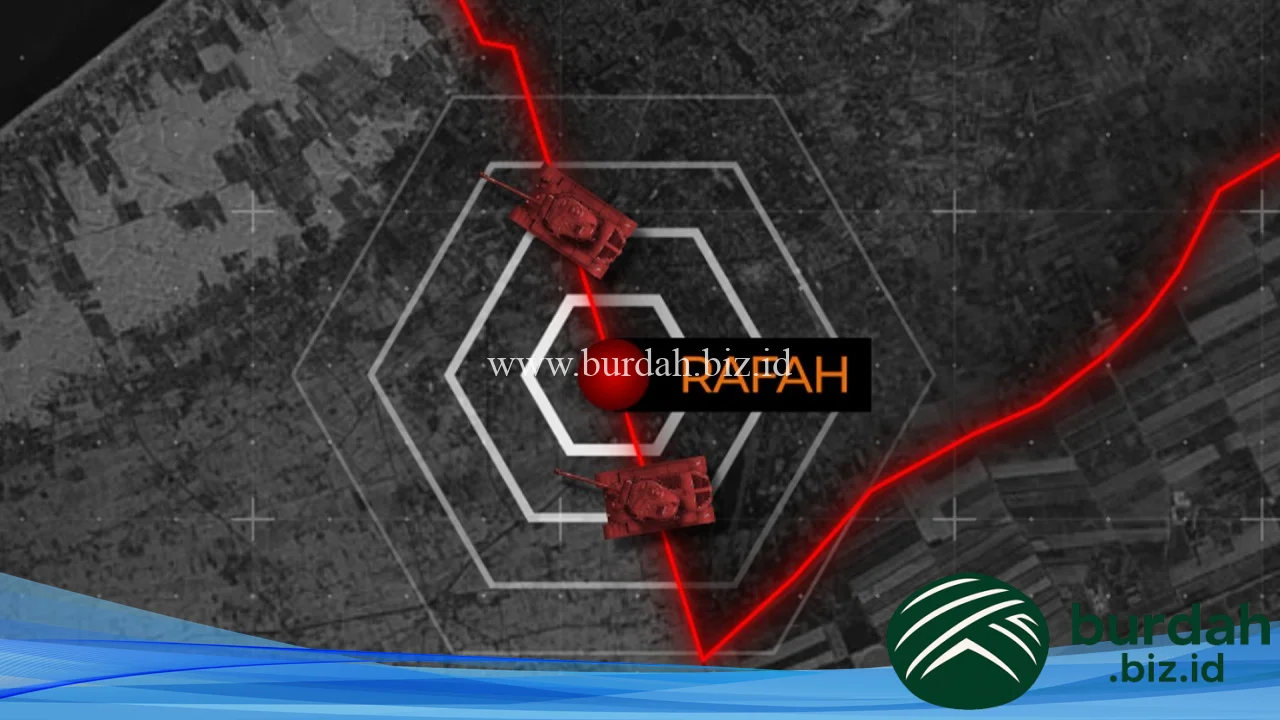
The Rafah border crossing, a critical lifeline connecting the Gaza Strip to Egypt, is not controlled by a single entity. Its operation is a complex and tense balance of power involving direct administration by Egypt and the de facto Hamas government in Gaza, with significant indirect influence from Israel and the international community.
For over two million Palestinians, this crossing represents the only potential gateway to the outside world that is not directly managed by Israeli authorities. Understanding who controls it is central to understanding the humanitarian and political situation in Gaza. The answer is layered, reflecting decades of conflict, treaties, and shifting regional dynamics.
The Direct Gatekeepers: Egypt and Hamas
On a day-to-day basis, control of the Rafah crossing is physically split. Egypt has complete sovereignty over its side of the border at the Sinai Peninsula. Cairo’s decisions on when to open or close the crossing, and who is allowed to pass, are driven primarily by its own national security interests. The Egyptian government is deeply concerned about potential spillover of conflict from Gaza and the movement of militants or weapons into the Sinai.
On the Palestinian side, the crossing is managed by officials from the Hamas-led government, which has been the de facto ruling authority in the Gaza Strip since 2007. These officials are responsible for registering and processing Palestinians wishing to leave Gaza. However, this control is not internationally recognized. Egypt, along with most of the world, does not officially deal with Hamas as a legitimate government, creating a complicated diplomatic situation where communication often happens through intermediaries.
Israel’s Pervasive Indirect Influence
Israel does not have a physical presence at the Rafah crossing. Its forces withdrew from the Gaza Strip in 2005. Yet, its influence over the crossing’s operations is immense. Israel maintains a strict blockade on Gaza’s air and sea space and controls all other land crossings into its own territory, such as the Erez crossing for people and the Kerem Shalom crossing for goods.
This comprehensive control over Gaza’s other borders gives Israel powerful leverage. Any agreement concerning Rafah’s operation invariably considers Israel’s security demands. Egypt and Israel share sensitive security intelligence, and any major change to the status of the Rafah crossing, such as allowing a greater flow of commercial goods, would require at least tacit approval from Israeli officials who are focused on preventing materials that could be used for military purposes from entering Gaza.
A History of Shifting Control
The management of the Rafah crossing has changed significantly over the years. After Israel’s 2005 disengagement, the crossing was operated by the Palestinian Authority (PA) and Egypt, with monitors from the European Union under an arrangement known as the Agreement on Movement and Access (AMA). This system was designed to give the internationally recognized PA control while addressing Israeli security concerns.
That arrangement collapsed in 2007 after Hamas violently seized control of the Gaza Strip from the PA. Following the takeover, EU monitors withdrew, and Egypt sealed the border. Since then, the crossing has been subject to prolonged closures and has only opened sporadically, based on the political and security climate. The lack of a unified Palestinian government has been a persistent obstacle to establishing a stable and predictable system for the crossing.
The Crossing as a Diplomatic Focal Point
During periods of intense conflict, such as the war that began in late 2023, the Rafah crossing becomes the epicenter of international diplomacy. It transforms into the sole conduit for limited humanitarian aid to enter Gaza and the only exit for foreign nationals, dual citizens, and a small number of critically injured Palestinians. The key stakeholders involved in these negotiations each have distinct priorities.
- Egypt: Aims to maintain its sovereignty, prevent a mass influx of refugees into the Sinai, and act as a key regional mediator.
- Hamas: Seeks to use the crossing to solidify its governing authority and break the Israeli-Egyptian blockade.
- Israel: Prioritizes its security, demanding inspections of all aid to ensure no weapons or contraband enter Gaza.
- United States & International Bodies: Push for sustained humanitarian access to alleviate the suffering of civilians in Gaza.
The control of the Rafah crossing is therefore not a simple matter of one flag or one authority. It is a shared, contested, and highly politicized responsibility. While Egypt and Hamas are the hands-on operators, their actions are heavily constrained by Israeli security policy and the pressures of international diplomacy, leaving the fate of millions of Gazans dependent on a fragile and often unpredictable geopolitical balance.