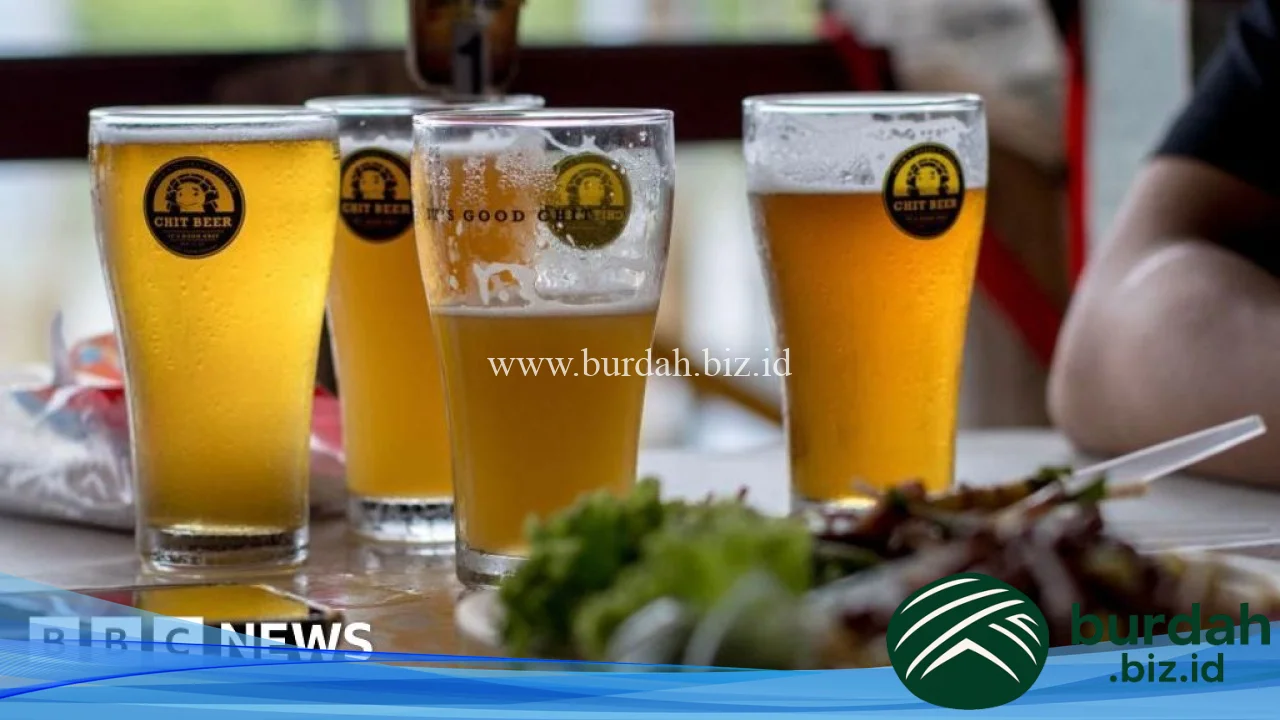
Thailand’s government has officially suspended a 51-year-old law that banned the sale of alcoholic beverages during the afternoon. The move is a direct attempt to stimulate the country’s tourism sector and overall economy. For the next six months, visitors and locals will find a major point of frustration has disappeared.
Liquor stores, hotels, restaurants, and other licensed establishments are now permitted to sell beer, wine, and spirits continuously from 11:00 in the morning until midnight. This trial period eliminates the previous dry spell that ran from 14:00 to 17:00 every day, a rule that often caught tourists by surprise.
The decision could not have come at a better time for the hospitality industry. It was implemented just ahead of the Christmas and New Year holidays, which represent the absolute peak season for international arrivals in Thailand.
A Decades-Old Rule Put on Pause
The original ban on afternoon alcohol sales was put into effect in 1972. Its primary motivation was not rooted in public health concerns but in workplace productivity. The law was designed to prevent government employees and other workers from drinking during their lunch breaks and returning to their jobs intoxicated.
While perhaps effective for its original purpose, the rule became a well-known inconvenience for international visitors. Thailand, a predominantly Buddhist nation, also has a reputation for its energetic party scene, creating a strange paradox for tourists who couldn’t understand why they couldn’t order a beer with a late lunch. Many were baffled by the restriction, and enforcement could be inconsistent, adding to the confusion. Previously, businesses that ignored the ban faced a potential fine of up to 10,000 baht (about $280 USD).
Economic Hopes Driving the Change
The push to lift the ban is a key part of the new government’s strategy. Prime Minister Anutin Charnvirakul, who assumed office in September, has made economic recovery a top priority. He has openly promised to bring back tourists and revitalize an economy that has been slowed by years of political uncertainty and the global pandemic’s effects.
Officials believe that allowing afternoon sales will directly translate to increased spending, especially from tourists who may now enjoy drinks by the pool or at restaurants without restriction. The government sees this as a simple, low-cost way to make the country more appealing and competitive. The change is being framed as a modernization of outdated regulations. Deputy Prime Minister Sophon Saram addressed the original intent of the law in a recent statement.
“In the past, there were concerns that government employees would sneak out to drink, but it’s a different time now.”
This sentiment reflects a belief that the old rule is no longer relevant to modern work culture and needlessly hinders commercial activity.
What the New Rules Mean for Everyone
For the next 180 days, the alcohol sales policy in Thailand will be significantly simpler. The changes are straightforward and impact a wide range of businesses that rely on tourism revenue. Here are the key points to understand:
- Uninterrupted Sales Window: Alcohol can be legally sold and served from 11:00 to midnight. The 14:00-17:00 blackout period is gone.
- Trial Duration: This is not a permanent change yet. The new rule is part of a six-month trial.
- Official Oversight: A government committee will be studying the effects of the lifted ban, likely looking at economic data, accident reports, and other social indicators.
- Applies to Licensed Venues: The rule applies to establishments with the proper licenses to sell alcohol, including supermarkets, convenience stores, bars, and restaurants.
This six-month experiment will provide valuable data. Thailand already has one of the highest rates of alcohol consumption in Asia, according to the World Health Organisation. Local beer brands like Chang and Singha are immensely popular and a core part of the social fabric. The government’s challenge will be to balance the clear economic benefits of this policy shift against any potential negative social consequences. The results of the study will determine if a cold afternoon beer in Thailand is here to stay.