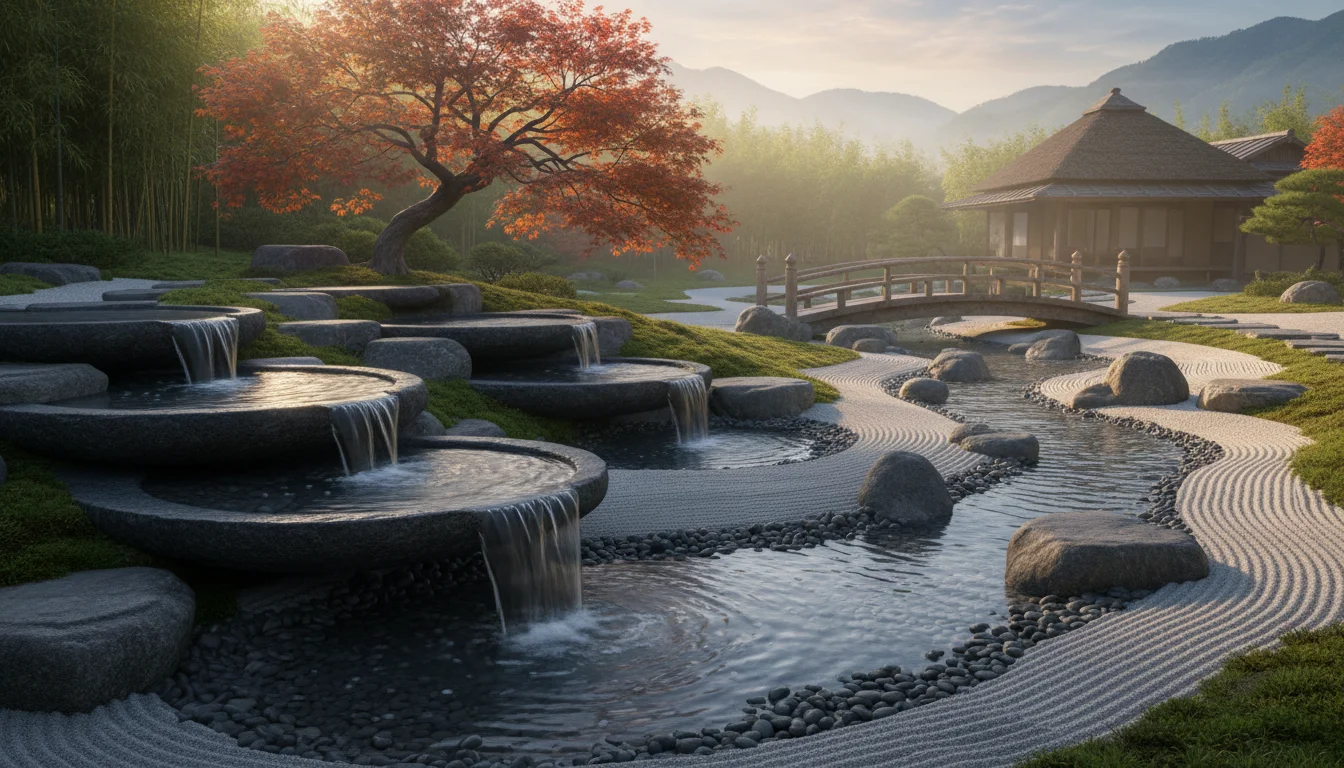
Zen Garden Flow.
Creating a Zen garden water feature is about more than just adding a bubbling spout; it’s about cultivating a feeling. The tranquil flow design aims to capture the essence of serenity, drawing inspiration from nature’s own gentle movements. This isn’t about grand cascades, but rather the subtle, soothing sounds and sights that encourage contemplation. It’s a mindful addition. When done right, it becomes the heart of your garden’s peaceful atmosphere.
The Philosophy of Water in Zen
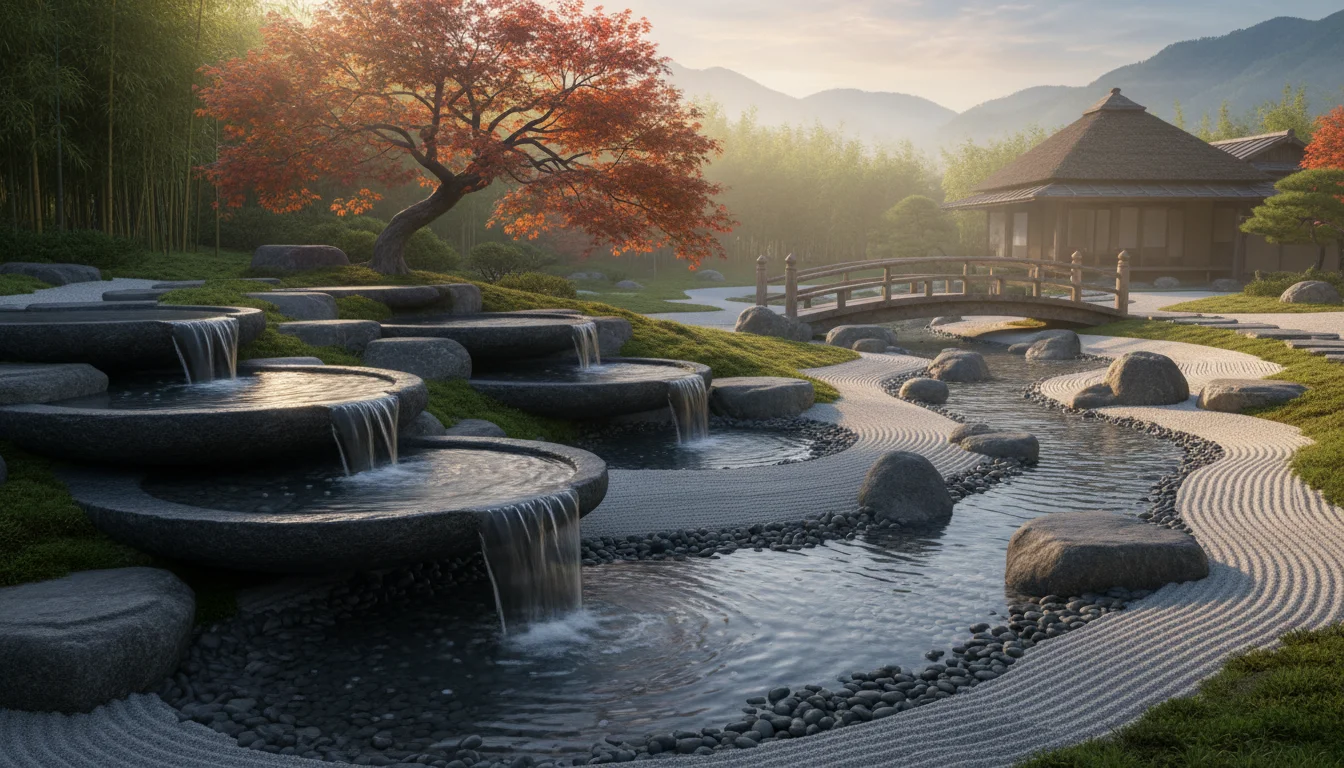
Water, in Zen philosophy, symbolizes purity, life, and the constant flux of existence. It’s a reminder of impermanence and the beauty found in change. The sound of water can quiet the mind, much like meditation. In a Zen garden, this element is handled with extreme care. The goal is harmony, not spectacle. Think of a slow-moving stream or a gentle drip, not a roaring waterfall. Every ripple matters. The visual aspect is equally important, reflecting the sky and surrounding elements.
Choosing the Right Water Feature Type
Several types of water features lend themselves well to a tranquil Zen garden flow. The most common is the shishi-odoshi, often translated as “deer scarer.” This bamboo spout pivots, filling with water and then tipping to strike a stone, creating a distinct clacking sound. It’s designed to startle animals, but in a garden setting, its rhythmic, periodic sound becomes deeply calming. Another popular choice is a simple, unobtrusive bubbler or fountain head. This offers a constant, soft murmur. It’s less about the dramatic gesture and more about the sustained, gentle presence of moving water. Furthermore, a small, shallow pond with a barely perceptible flow can also be effective. The key is subtlety in all aspects of its design and operation.
Materials and Aesthetics
The materials used in your Zen garden water feature are crucial for maintaining its aesthetic integrity. Natural stone is paramount. Consider river rocks, pebbles, or larger, weathered stones that evoke a sense of age and permanence. Bamboo is another excellent choice, particularly for its association with Zen and its natural ability to channel water. Metal elements should be minimal and understated, perhaps a simple spout made of weathered copper or bronze that develops a natural patina over time. Avoid brightly colored or highly polished materials that detract from the garden’s serene character. The overall palette should be earthy and muted, blending seamlessly with the surrounding flora and hardscape. Every material choice contributes to the overall feeling of peace.
Zen Garden Flow 1
Designing for Tranquil Flow
The design of the water’s movement is where the true art of the tranquil Zen garden flow lies. It must feel natural and unforced. For a shishi-odoshi, the angle of the bamboo and the placement of the striking stone are critical for achieving the desired sound and rhythm. The water source should be discreet, often hidden beneath the bamboo or within the rockery. For bubblers, the aim is to create a soft, consistent sound. This might involve a small, submerged pump pushing water through a hidden pipe to emerge from a strategically placed rock or a simple, unadorned basin. The water should appear to well up from the earth itself. The flow rate is also key; too fast, and it becomes distracting; too slow, and it may not produce an audible sound. Finding that perfect balance is essential for the desired effect. It’s a delicate equilibrium.
Integrating with the Landscape
A Zen garden water feature should never feel like an isolated element. It must be deeply integrated with the rest of the garden’s design. Consider its placement relative to other features, such as raked gravel, carefully pruned trees, and moss-covered stones. The water should complement these elements, not compete with them. A water feature placed near a seating area, for instance, can enhance relaxation and mindfulness. Alternatively, it might be positioned to create a focal point at the end of a winding path. The sound of the water should carry gently to these areas, providing a constant, soothing auditory backdrop. The visual reflections of the sky and trees in the water add another layer of depth and connection to the natural world. It becomes part of a larger, cohesive picture. This integration is fundamental to the garden’s overall success.
The Soundscape of Serenity
The auditory experience of a Zen garden water feature is as important as its visual appeal. The sound should be gentle, consistent, and non-intrusive. A shishi-odoshi provides a periodic, resonant clap. This is not a constant noise, but a punctuation mark in the garden’s soundscape. Other features, like a small bubbler, offer a soft, continuous murmur. This sound can mask less desirable noises from the outside world, creating a private sanctuary. Experimentation is often necessary to achieve the perfect sound. Adjusting the flow rate, the height from which the water falls, and the materials it interacts with can all influence the resulting acoustics. The aim is a sound that is both present and unobtrusive, fostering a sense of calm and introspection. It’s about creating an environment for peace.
Zen Garden Flow 2
Maintenance and Sustainability
While Zen garden water features are designed for tranquility, they do require some maintenance to ensure their continued beauty and function. Regular cleaning of the pump, basin, and any moving parts is essential to prevent algae growth and blockages. Water levels need to be monitored, especially in warmer climates, to ensure the pump doesn’t run dry. For shishi-odoshi, occasional adjustments to the bamboo and counterweight might be necessary to maintain the desired rhythm. Choosing durable, natural materials also contributes to longevity. Consider water conservation; many modern pumps are energy-efficient, and recirculating systems minimize water waste. A well-maintained water feature will continue to offer its soothing presence for years to come. This thoughtful care ensures its enduring appeal.
The Role of Light and Reflection
The interplay of light with water is a vital component of the Zen garden experience. Sunlight glinting off the water’s surface can create dynamic patterns, dancing across nearby stones and foliage. In the evening, subtle, low-level lighting can transform the water feature into a softly glowing focal point, enhancing its mystical quality. The water also acts as a mirror, reflecting the sky, passing clouds, and the surrounding trees. This reflection expands the perceived space of the garden and connects the viewer to the larger natural environment. It introduces a sense of depth and movement, even when the surrounding garden is still. This visual dynamism is subtle but profound. It adds a layer of contemplation to the garden’s design.
Common Pitfalls to Avoid
There are a few common mistakes that can detract from the tranquil nature of a Zen garden water feature. Overly complex designs are a primary concern. The goal is simplicity. Avoid features that are too loud, too large, or too brightly colored. A water feature that screams for attention disrupts the garden’s peaceful intent. Also, placing the water feature in a location where it clashes with other garden elements can be detrimental. It should feel like a natural extension of the landscape. Furthermore, neglecting maintenance can quickly turn a soothing element into an eyesore. Algae-filled water or a sputtering pump is the antithesis of tranquility. Lastly, consider the context; what is tranquil in one setting might be overwhelming in another. Careful observation and thoughtful design are key to avoiding these common errors. It’s about restraint and intention.
Zen Garden Flow 3
Creating Your Own Zen Garden Flow
Embarking on the creation of a Zen garden water feature, or enhancing an existing one, is a rewarding journey. Begin by observing existing natural water sources that inspire you. What is it about their movement, sound, and appearance that you find calming? Sketch your ideas, considering the scale of your garden and the desired impact. Research different types of water features and materials that align with the Zen aesthetic. When selecting a pump, prioritize quiet operation and adjustable flow rates. Naturalistic placement is paramount; let the feature emerge from the earth rather than appearing to be imposed upon it. Test the sound and visual impact from various vantage points within your garden. Small adjustments can make a significant difference. The process is iterative. It requires patience and a deep connection to the principles of Zen design. The result should be a space that invites quiet reflection and a profound sense of peace. This carefully crafted element truly elevates the garden experience.