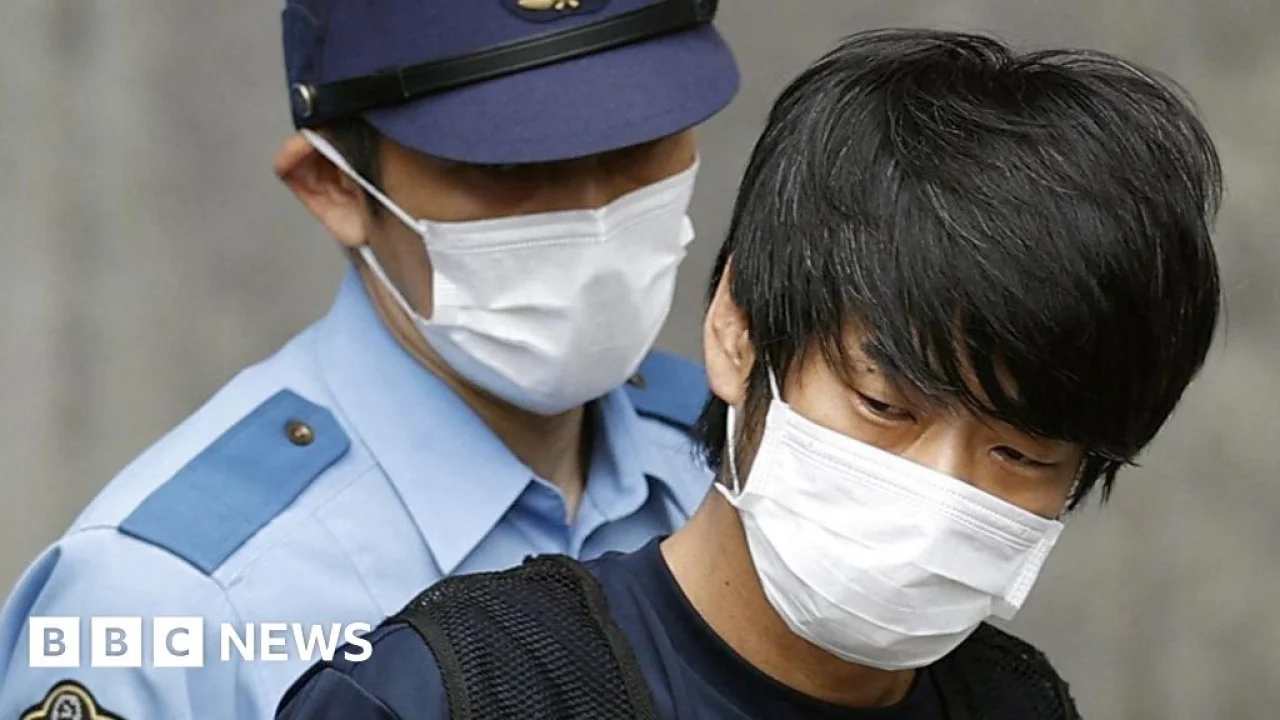
Abe Killer’s Plea to Bereaved Family
In a significant development during ongoing legal proceedings, Tetsuya Yamagami, the individual accused of assassinating former Japanese Prime Minister Shinzo Abe, has expressed his profound remorse to the bereaved family for the first time. Yamagami, who has previously entered a guilty plea to murder charges, conveyed his deep apologies to Abe’s widow, Akie, during a court hearing on Thursday. This acknowledgment marks a critical moment in the aftermath of a tragedy that reverberated globally.
The assassination occurred on July 8, 2022, in the western city of Nara, where Yamagami utilized a self-made firearm to shoot the former prime minister during a campaign event. Tragically, Shinzo Abe succumbed to his injuries later that same day. His death sent shockwaves across the international community, highlighting his influential role in Japanese politics, particularly his hawkish foreign policy and the economic strategy popularly dubbed “Abenomics.”
Speaking before the court, Yamagami articulated the depth of his regret, stating, “I have caused [the family] three and a half years of suffering… I have no excuse.” These words, as reported by local media, underscore the gravity of his admission and the immense pain inflicted upon the victims’ loved ones. The emotional weight of his confession is palpable, serving as a stark reminder of the devastating consequences of his actions.
Furthermore, reports indicate that Yamagami had previously informed investigators of his motives. He alleged that his attack stemmed from a belief that former Prime Minister Abe was instrumental in promoting the Unification Church. Yamagami claimed that this religious organization had led to the financial ruin of his mother and, consequently, his wider family. This assertion has, in turn, prompted extensive investigations into the Unification Church, which originated in South Korea and is recognized for its large-scale wedding ceremonies.
The controversy surrounding the Unification Church predates Abe’s assassination. The organization has faced scrutiny for its teachings, particularly its emphasis on marriage as a cornerstone of spiritual salvation. In a significant legal ruling earlier this year, a Tokyo court ordered the church to disband. However, the Unification Church has stated its intention to contest this ruling vigorously, vowing to “fight to the end.”
It is also noteworthy that Abe’s grandfather, Nobusuke Kishi, a former Prime Minister of Japan himself, was known to have maintained ties with the Unification Church, largely due to its anti-communist stance. Shinzo Abe himself had participated in events associated with the group. These connections have added layers of complexity to the narrative surrounding the assassination. During a hearing held last month, prosecutors presented a statement from Abe’s widow, Akie, in which she poignantly conveyed the enduring nature of her grief, writing, “The sorrow of losing a husband will not be relieved.” This statement serves as a powerful testament to the profound and lasting impact of the tragedy.