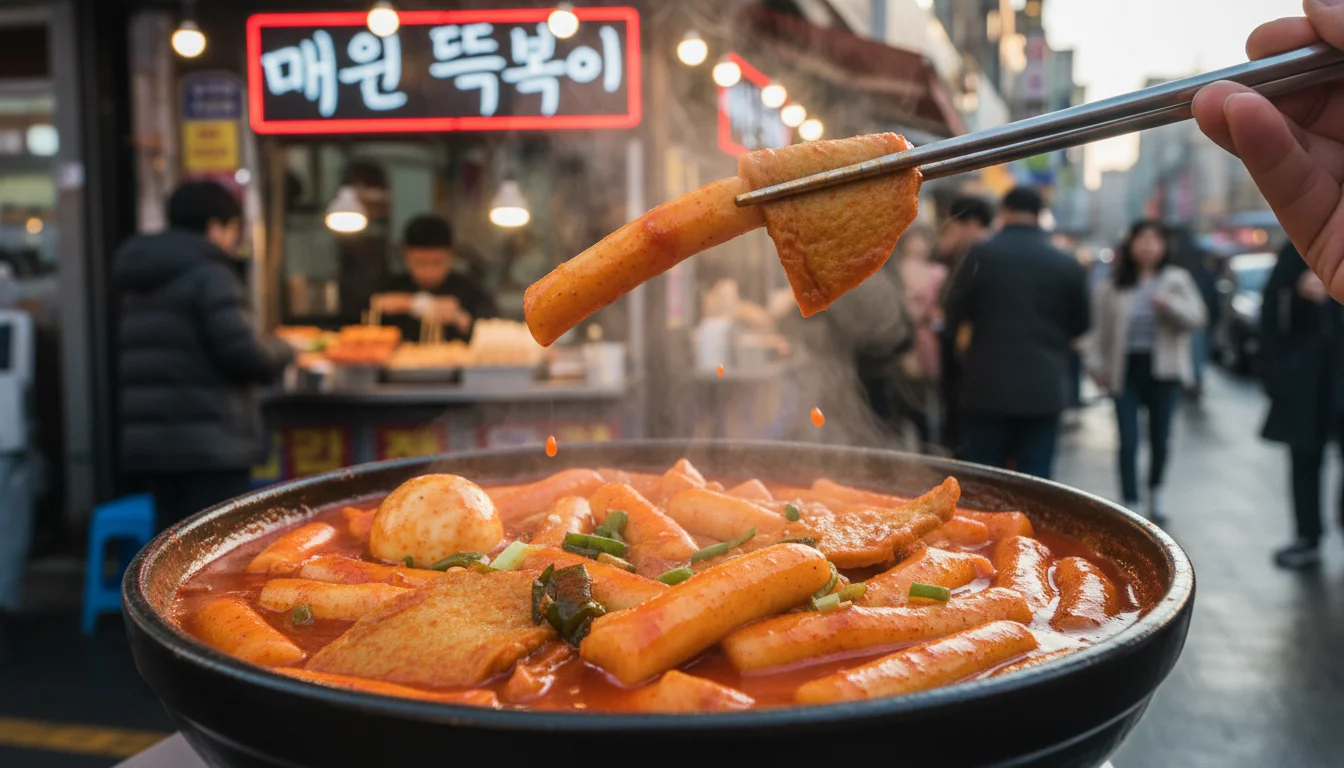
The Fiery Allure of Authentic Spicy Rice Cakes
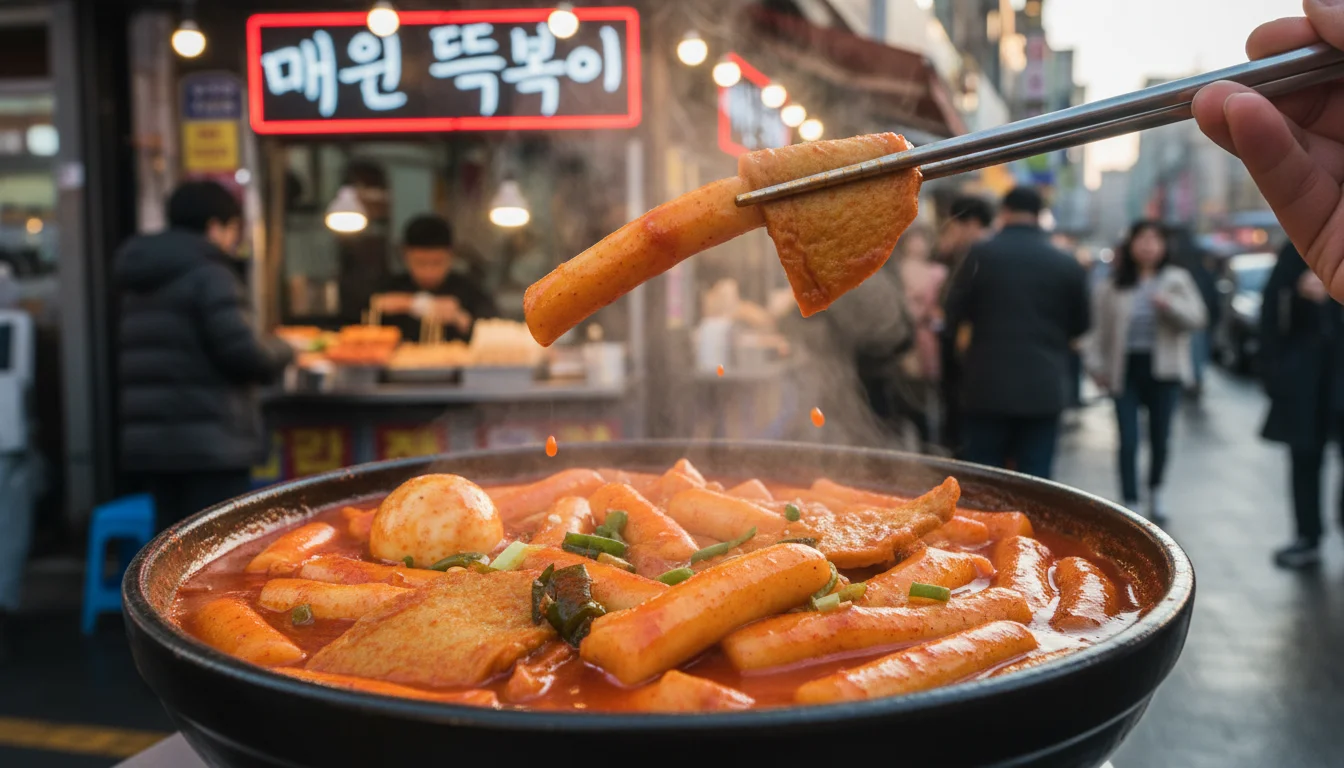
That first bite. A delightful chew, a warm embrace, and then… the heat. It’s a sensation that’s become synonymous with Korean street food, a thrilling dance on your palate. Spicy rice cakes, or Tteokbokki, are more than just a snack; they’re a cultural icon, a comforting bowl that transports you straight to the bustling night markets of Seoul. Honestly, I’ve tried countless versions, but this recipe nails that perfect balance of sweet, spicy, and savory that keeps you coming back for more. It’s surprisingly simple to recreate at home, bringing that authentic street-side magic right to your kitchen table.
| Prep Time | 15 minutes |
| Cook Time | 20 minutes |
| Total Time | 35 minutes |
| Servings | 2-3 |
| Estimated Calories | 450 per serving |
Why This Spicy Rice Cakes Recipe is a Keeper
- Authentic Flavor, Simplified: We’re capturing that classic, addictive Tteokbokki taste without any fuss.
- Perfect Chewy Texture: The secret is in the rice cakes and a few simple cooking techniques.
- Quick Weeknight Meal: Ready in under 40 minutes, it’s ideal for a fast, satisfying dinner or a substantial snack.
- Customizable Heat: You control exactly how fiery your spicy rice cakes become.
Ingredient Spotlight: The Heart of Tteokbokki
Quality ingredients make all the difference. Let’s break down what makes this dish sing.
- Cylindrical Rice Cakes (Tteok): These are the stars. Look for fresh or refrigerated ones at your local Asian market. They should be firm but pliable. If using frozen, thaw them thoroughly. Avoid the pre-cooked, microwavable kind; they often get too mushy.
- Gochujang (Korean Chili Paste): This is non-negotiable. Its fermented depth is what gives Tteokbokki its signature flavor and heat. Brands like Sempio or CJ are excellent choices.
- Gochugaru (Korean Chili Flakes): For an extra kick and a beautiful red hue. Use medium or hot, depending on your preference.
- Fish Cakes (Eomuk): These add a wonderful savory, slightly chewy element. They come in sheets or skewers. Slice the sheets into bite-sized pieces.
- Anchovy Broth or Water: A good broth adds layers of umami. You can make a quick anchovy broth or simply use water as a base.
- Soy Sauce: Just a touch to deepen the savory notes.
- Sugar (or Corn Syrup/Honey): Balances the spice and adds a delightful glaze. Corn syrup gives a lovely sheen.
- Garlic: Freshly minced garlic is essential for aroma and flavor.
- Scallions: For freshness and a mild oniony bite, both in the sauce and as a garnish.
- Optional Additions: Hard-boiled eggs, ramen noodles (Rabokki!), cabbage, or dumplings are fantastic additions.
Spicy rice cakes 1
Crafting Your Perfect Spicy Rice Cakes: Step-by-Step
Let’s get cooking! This process is straightforward and incredibly rewarding.
Phase 1: Preparing Your Components
- If your rice cakes are stuck together, soak them in warm water for 10-15 minutes until they are pliable. Drain well.
- Slice your fish cakes into bite-sized pieces, roughly the same size as your rice cakes.
- Chop your scallions, separating the white parts from the green tops.
- Mince your garlic.
Phase 2: Building the Fiery Sauce
This is where the magic happens. A well-balanced sauce is key.
- In a medium saucepan or wok, combine the anchovy broth (or water), gochujang, gochugaru, soy sauce, and sugar (or corn syrup).
- Whisk everything together until the gochujang is fully dissolved.
- Add the minced garlic and the white parts of your chopped scallions to the sauce.
- Bring the mixture to a gentle simmer over medium heat. Let it bubble for about 2-3 minutes to allow the flavors to meld.
Phase 3: The Simmer and Swirl
Now, we bring it all together for that signature texture.
- Add the drained rice cakes and sliced fish cakes to the simmering sauce.
- Stir gently to ensure everything is coated.
- Reduce the heat to medium-low. Let the spicy rice cakes simmer, uncovered, stirring occasionally to prevent sticking.
- Cook for about **15-20 minutes**, or until the rice cakes have softened and become delightfully chewy, and the sauce has thickened to a glossy, syrupy consistency. If it gets too thick, add a splash more broth or water.
- If you’re adding ramen noodles or cabbage, add them during the last 5-7 minutes of cooking.
Phase 4: Finishing Touches
Almost there! A few final steps elevate the dish.
- Once the sauce is perfect and the rice cakes are tender, stir in the green parts of your scallions.
- Taste and adjust seasoning if needed. You might want a pinch more sugar for sweetness or a dash more soy sauce for saltiness.
- Serve immediately.
Spicy rice cakes 2
Chef’s Secret Weapons for Stellar Spicy Rice Cakes
The texture of your rice cakes is paramount. If they feel too hard, don’t rush the simmering process. A gentle, patient simmer is what transforms them from firm to perfectly tender and chewy. Also, don’t overcrowd the pan; give everything space to cook evenly.
Variations to Explore
Tteokbokki is incredibly versatile. Don’t be afraid to experiment!
- Rabokki: Add a packet of instant ramen noodles (without the seasoning packet) during the last 5-7 minutes of cooking.
- Cheesy Tteokbokki: Top with shredded mozzarella cheese in the final minutes and let it melt.
- Vegetarian/Vegan Tteokbokki: Omit the fish cakes. You can add firm tofu, shiitake mushrooms, or extra vegetables like broccoli florets. Ensure your gochujang is vegan-friendly if necessary.
- Spicy Level: Adjust the amount of gochugaru to control the heat. For a milder version, use less gochugaru and more sugar. For extreme heat, add a pinch of cayenne pepper.
Storing and Reheating Leftovers
Leftover are a treat, though the texture of the rice cakes can change slightly upon reheating.
- Storage: Let the Tteokbokki cool completely. Store in an airtight container in the refrigerator for up to 2 days.
- Reheating: The best way is on the stovetop. Gently reheat in a saucepan over low heat, adding a tablespoon or two of water or broth to loosen the sauce. Stir until heated through. Microwaving is also an option, but stir halfway through for even heating.
Frequently Asked Questions About
- Can I make the sauce ahead of time? Yes! You can prepare the sauce base (gochujang, gochugaru, soy sauce, sugar, garlic) and store it in the refrigerator for up to 3 days. When ready to cook, simply bring it to a simmer and add the rice cakes and fish cakes.
- What kind of rice cakes are best? Fresh or refrigerated cylindrical rice cakes (tteok for tteokbokki) are ideal. They have the right chewiness and absorb the sauce beautifully.
- Is Tteokbokki supposed to be very spicy? The traditional street food version is quite spicy, but the beauty of making it at home is that you control the heat. Adjust the gochugaru to your personal preference.