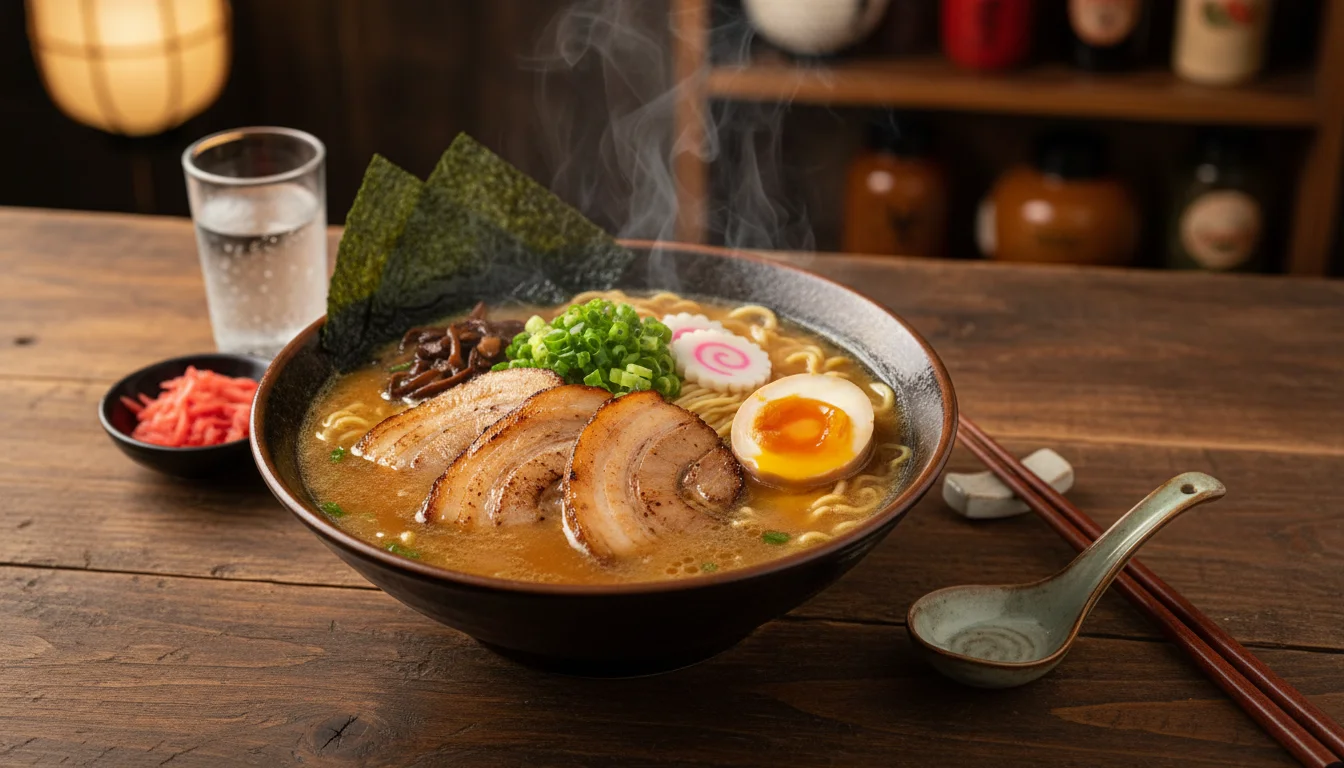
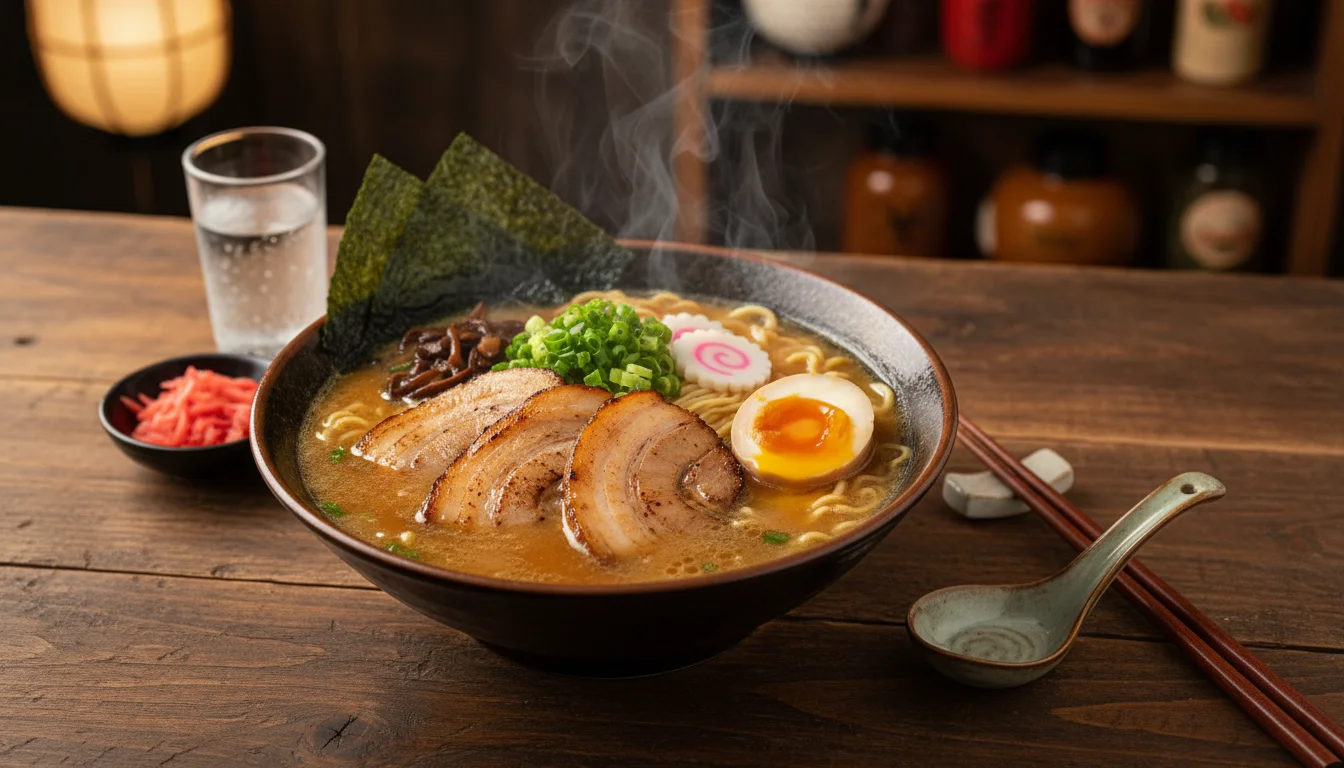
Umami ramen pork.
Umami Bomb Ramen: Savory Broth, Tender Pork, Perfect Egg
Imagine this: a deep, soul-warming bowl. Rich, dark broth coats tender slices of pork. A perfectly jammy egg sits nestled alongside springy noodles. This isn’t just ramen; it’s an experience. This Umami Bomb Ramen delivers that restaurant-quality flavor right to your kitchen. It’s the kind of meal that makes you close your eyes with the first slurp. Honestly, mastering ramen at home feels like a superpower.
My journey with ramen started in tiny Tokyo shops. I’d watch the chefs, mesmerized by the care they put into each bowl. That dedication sparked a fire. I spent years perfecting this recipe, chasing that elusive depth of flavor. Turns out, it’s not magic, just smart technique and quality ingredients. This version focuses on building layers of savory goodness. You get that incredible umami punch without needing a week to prep. Let’s make some ramen.
| Prep Time | 30 minutes |
| Cook Time | 1 hour 30 minutes (mostly simmering) |
| Total Time | 2 hours |
| Servings/Yield | 4 generous bowls |
| Estimated Calories | ~650 per serving (varies with toppings) |
Why You’ll Love This Umami Ramen Pork Recipe
- Deep Flavor, Simple Steps: We build a complex broth without endless hours.
- Tender, Juicy Pork: Chashu pork that melts in your mouth.
- Customizable Toppings: Make it your own with your favorite additions.
- Incredibly Satisfying: This is comfort food elevated.
Ingredients for Your Umami Ramen Pork Masterpiece
The right ingredients make all the difference. Don’t skimp here!
- For the Broth:
- 1 kg chicken backs and wings (for richness)
- 500g pork bones (neck or trotters, for gelatin)
- 1 large onion, quartered
- 4 cloves garlic, smashed
- 1-inch piece of ginger, sliced
- 2-3 dried shiitake mushrooms
- 1 strip kombu (about 10cm), wiped clean
- 2 liters cold water
- 2 tablespoons soy sauce (use a good quality Japanese soy sauce)
- 1 tablespoon mirin (sweet rice wine)
- 1 teaspoon salt (or to taste)
- For the Chashu Pork:
- 500g pork belly, skin on or off (your preference)
- 1 cup soy sauce
- 1/2 cup mirin
- 1/4 cup sake (optional, but recommended)
- 1/4 cup sugar
- 2 cloves garlic, smashed
- 1-inch piece of ginger, sliced
- Water, enough to cover
- For the Tare (Flavor Base):
- 4 tablespoons soy sauce
- 2 tablespoons mirin
- 1 tablespoon sake
- 1 teaspoon sugar
- 1/2 teaspoon toasted sesame oil
- For Serving:
- 4 portions fresh ramen noodles
- 4 large eggs
- Nori sheets (seaweed)
- Scallions, thinly sliced
- Menma (fermented bamboo shoots), optional
- Narutomaki (fish cakes), optional
Umami ramen pork 1
Ingredient Notes: Why They Matter
Using chicken and pork bones creates a more complex, gelatinous broth than just water. The dried shiitake and kombu are pure umami powerhouses. Don’t skip them! For the chashu, pork belly is king; its fat renders beautifully, making the meat incredibly tender. Good quality soy sauce is crucial; it’s the backbone of your tare and broth.
Crafting Your Umami Ramen Pork
Phase 1: Building the Broth
- Rinse the chicken and pork bones under cold water. This removes impurities.
- Place the bones and chicken in a large stockpot. Cover with cold water. Bring to a rolling boil over high heat. Boil vigorously for 5 minutes. This blanching step is vital for a clean-tasting broth.
- Drain the bones and chicken. Rinse them again under cold water to remove any scum. Clean out the stockpot.
- Return the blanched bones and chicken to the clean pot. Add the quartered onion, smashed garlic, sliced ginger, dried shiitake mushrooms, and kombu.
- Pour in 2 liters of fresh cold water. Bring to a gentle simmer over medium-high heat.
- Reduce the heat to low. Let it simmer, uncovered, for at least 1 hour, or up to 1 hour 30 minutes. Skim off any foam or impurities that rise to the surface periodically. The longer it simmers, the deeper the flavor.
- Strain the broth through a fine-mesh sieve into a clean pot or heatproof container. Discard the solids.
- Stir in the soy sauce, mirin, and salt. Taste and adjust seasoning. Keep warm. This is your liquid gold.
Phase 2: Perfecting the Chashu Pork
- Tie the pork belly with kitchen twine at intervals. This helps it keep its shape during cooking.
- In a pot large enough to hold the pork belly snugly, combine the soy sauce, mirin, sake (if using), sugar, smashed garlic, and sliced ginger. Add enough water to submerge the pork.
- Bring the liquid to a simmer over medium heat.
- Carefully place the pork belly into the simmering liquid. Ensure it’s mostly submerged. You can use a plate or a piece of parchment paper to keep it down.
- Cover the pot and let it simmer gently for 1 hour, turning the pork halfway through. The pork should be tender when pierced with a fork.
- Remove the pork from the braising liquid. Let it cool slightly. Reserve the braising liquid; it’s packed with flavor!
- Once cooled enough to handle, slice the pork belly into ½-inch thick pieces.
Umami ramen pork 2
Phase 3: The Tare and Eggs
- In a small bowl, whisk together the soy sauce, mirin, sake, sugar, and sesame oil for the tare. This concentrated flavor base is what makes ramen broth sing.
- For the eggs, bring a small pot of water to a boil. Gently lower the eggs into the boiling water. Cook for exactly 6.5 minutes for a perfect jammy yolk.
- Immediately transfer the eggs to an ice bath to stop the cooking. Once cooled, carefully peel them. Slice in half lengthwise just before serving.
Phase 4: Assembling Your Umami Bomb
- Bring a pot of water to a rolling boil for your ramen noodles. Cook according to package directions. Fresh noodles cook fast!
- While the noodles cook, gently reheat your broth.
- In each serving bowl, add 1-2 tablespoons of the tare. The amount depends on how strong you like your flavor.
- Add about 1/4 cup of the hot broth to the tare in each bowl. Stir to combine. This creates your ramen soup base.
- Drain the noodles and divide them among the bowls.
- Ladle the hot broth over the noodles.
- Arrange your toppings: slices of chashu pork, half a jammy egg, nori sheets, sliced scallions, menma, and narutomaki if you’re using them.
- Serve immediately. Slurp it up!
Critical Tip: Don’t boil your broth aggressively after adding the soy sauce and mirin. A gentle simmer preserves the delicate aromatics and prevents bitterness. Also, always cook ramen noodles *al dente*. They will continue to cook in the hot broth, so you want them with a slight bite.
Variations & Substitutions
This recipe is a fantastic starting point. Feel free to adapt it:
- Vegetarian/Vegan: Omit the chicken and pork bones. Use vegetable broth and add more dried shiitake mushrooms and a piece of kombu for depth. For protein, try pan-fried tofu or king oyster mushrooms. Use a vegetarian tare.
- Spicy Kick: Add a teaspoon of chili oil or a pinch of gochugaru (Korean chili flakes) to your tare or broth. A dollop of sriracha is also great.
- Different Meats: Thinly sliced chicken breast or even leftover roast pork can work in a pinch, though they won’t have the same richness as chashu.
Umami ramen pork 3
Storage & Reheating
Leftover broth can be stored in an airtight container in the refrigerator for up to 3 days. It freezes beautifully for up to 3 months. Reheat gently on the stovetop. Cook fresh noodles when you’re ready to serve. The Chashu pork will also keep in the fridge for 3 days; slice and reheat gently in a little of the braising liquid or broth.
Frequently Asked Questions
Q: Can I make the broth ahead of time?
Absolutely! The broth is best made a day in advance. It allows the flavors to meld and deepen overnight. Simply reheat it gently before assembling your ramen.
Q: My chashu pork is tough. What went wrong?
Likely, it wasn’t simmered long enough or the heat was too high. Pork belly needs time to break down its connective tissues. Ensure it’s at a very gentle simmer, not a rolling boil, for the full hour.
Q: What is “tare” and why is it important?
Tare is the concentrated seasoning base for ramen, added to the bottom of the bowl before the broth. It provides the primary salty and savory flavor profile, allowing you to customize the intensity of your ramen. Without it, your broth might taste a bit bland.