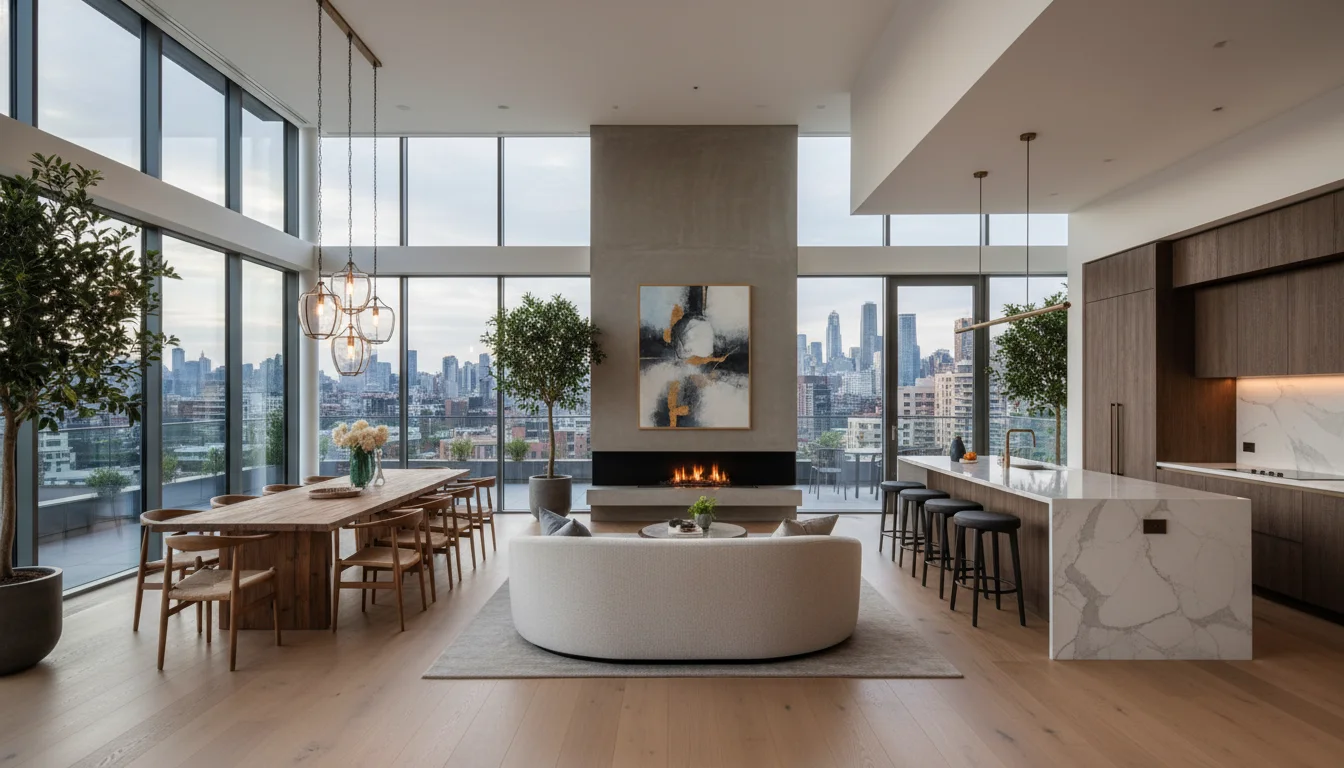
Open concept grandeur.
The allure of open-concept living is undeniable. It transforms a house into a fluid, connected space. This architectural choice fosters a sense of spaciousness and light, fundamentally changing how we interact with our homes. Imagine walking into a home where the kitchen, dining, and living areas flow seamlessly. No more closed-off rooms. Instead, a unified environment that feels both grand and inviting. This is the essence of open-concept grandeur, a design philosophy that has captured the imagination of homeowners worldwide. It’s not just about removing walls; it’s about creating an experience. A feeling of freedom and connection. The possibilities are immense.
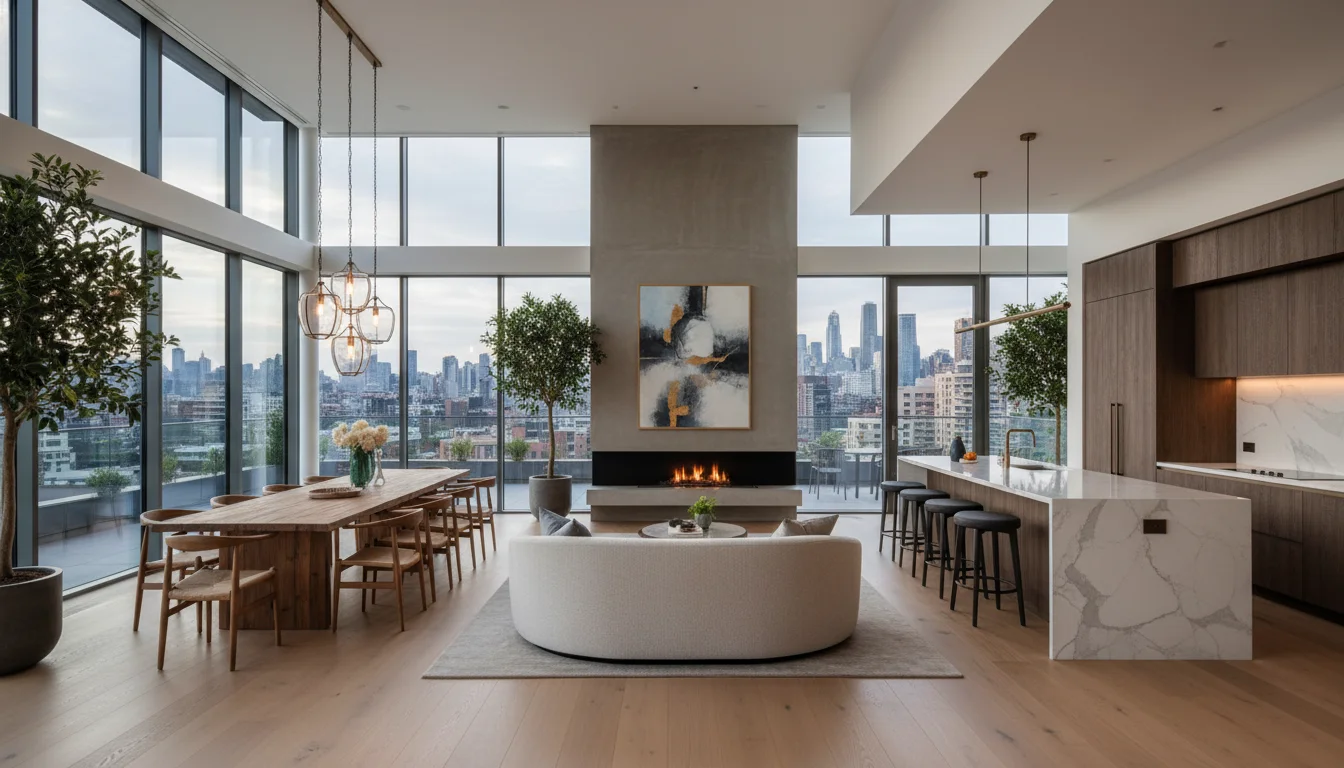
Defining Open-Concept Spaces
At its core, open-concept living means minimizing or eliminating interior walls that traditionally separate distinct functional areas. Think of the kitchen, dining room, and living room, often considered separate entities in older home designs. In an open-concept layout, these spaces merge into a single, expansive area. This creates a visual continuity that makes even moderately sized homes feel significantly larger and more airy. Natural light floods the entire area, bouncing off surfaces and creating a bright, welcoming atmosphere. This design approach is particularly effective in modern and minimalist aesthetics, but its adaptable nature allows it to be integrated into various interior design styles, from rustic to industrial. The effect is a unified whole, where each zone subtly transitions into the next, promoting a sense of harmony and flow. It’s a deliberate move away from compartmentalization, embracing a more communal and interconnected way of living.
The Psychological Impact
The psychological benefits of open-concept living are profound. When you’re in a space without physical barriers, your mind perceives it as larger. This sense of amplitude can reduce feelings of confinement and claustrophobia, contributing to a more relaxed and positive mood. Furthermore, the visual connection between different areas allows for constant interaction. A parent can prepare dinner while keeping an eye on children playing in the living room. Friends can chat while someone is cooking. This ease of communication and shared experience strengthens family bonds and enhances social gatherings. The absence of walls also promotes a feeling of transparency and openness, mirroring a more open and communicative lifestyle. It encourages spontaneity and makes entertaining effortless, transforming everyday living into a more enjoyable experience. This design choice is more than just aesthetics; it’s about enhancing well-being and fostering a deeper connection with the home and its inhabitants.
Open concept grandeur 1
Historical Evolution of Home Design
Home design has undergone a dramatic evolution. Early dwellings were often simple, multi-purpose spaces. As societies became more complex and wealth increased, homes began to adopt more defined rooms for specific purposes. Victorian homes, for instance, are renowned for their numerous, often small, enclosed rooms dedicated to activities like formal dining, reading, or receiving guests. This compartmentalization reflected a societal emphasis on privacy and distinct social roles. The mid-20th century saw a shift, influenced by changing lifestyles and the emergence of open-plan designs in commercial architecture. Post-war prosperity also led to larger homes, and the idea of combining living and entertaining spaces gained traction. Modernism, with its emphasis on clean lines and functionality, further championed the open-concept approach. Today, this design continues to be popular, reflecting a desire for flexibility, connection, and a more integrated way of living. It’s a journey from necessity to luxury, and back again, reimagined for contemporary life.
Key Elements of Open-Concept Grandeur
Achieving open-concept grandeur involves more than just knocking down walls. Several key elements work together to create a cohesive and elegant space. First, consider the flow. How do the different zones connect? Furniture placement is crucial. Creating distinct areas within the open space without using walls is an art. Rugs can define living areas, while strategic furniture arrangements can delineate dining spaces. Second, lighting plays a pivotal role. Abundant natural light is a hallmark, but artificial lighting must be layered and thoughtful. Pendant lights over an island, recessed lighting for ambient illumination, and task lighting in functional areas all contribute to the overall ambiance. Third, material continuity is important. Using similar flooring materials across the entire open area, for example, creates a visual bridge. A consistent color palette also unifies the space, preventing it from feeling chaotic. Finally, acoustics need attention. Open spaces can sometimes feel noisy. Strategic use of soft furnishings, rugs, and even acoustic panels can help manage sound effectively. These elements combine to create a harmonious and sophisticated environment.
Open concept grandeur 2
Furniture Placement Strategies
Arranging furniture in an open-concept layout requires careful consideration. The goal is to create defined zones without physically separating them. One common strategy involves using large area rugs to anchor specific activity areas. A plush rug can clearly delineate the living room, inviting comfortable seating arrangements. Similarly, a well-placed dining table and chairs define the dining zone. Another effective technique is to use furniture pieces themselves as dividers. A sofa placed with its back to the dining area can create a subtle separation for the living room. A bookshelf or a console table behind a sofa can also serve this purpose, offering both division and additional storage or display space. Consider the sightlines. Ensure that the arrangement doesn’t block natural light or create awkward pathways. The aim is to foster a sense of purpose for each area while maintaining the overall open feel. It’s about creating cozy nooks within a larger expanse, making the space both grand and intimate.
Lighting Design for Open Spaces
Lighting is perhaps the most critical element in maximizing open-concept grandeur. Natural light is the foundation. Large windows, skylights, and glass doors are essential for drawing in sunlight and making the space feel expansive. However, artificial lighting needs to be just as carefully planned. Layered lighting is key. Ambient lighting provides a general glow, often achieved with recessed ceiling lights or strategically placed floor lamps. Task lighting is essential for functional areas like the kitchen island or a reading nook, using pendants or adjustable lamps. Accent lighting can highlight artwork or architectural features, adding depth and drama. Dimmers are a homeowner’s best friend in open-concept spaces, allowing for mood adjustment throughout the day and evening. Consider the color temperature of your bulbs; warmer tones (around 2700K-3000K) create a cozy atmosphere, while cooler tones might be better suited for task-oriented areas. Thoughtful lighting design transforms an open space from merely large to truly captivating.
Open concept grandeur 3
Material and Color Cohesion
Achieving a sense of open-concept grandeur relies heavily on the intelligent use of materials and color. A consistent flooring material throughout the entire open area is a powerful unifying element. Whether it’s hardwood, large-format tile, or polished concrete, this continuity visually expands the space and creates a seamless transition between zones. When it comes to color, a well-chosen palette is essential. Often, a neutral base palette for walls and larger furniture pieces provides a sophisticated backdrop. Pops of color can then be introduced through accessories, artwork, and accent furniture, adding personality without overwhelming the senses. Consider the textures as well. A mix of smooth surfaces, soft textiles, and natural materials like wood or stone can add visual interest and depth to the open expanse. This careful selection of materials and colors prevents the space from feeling monotonous and enhances its overall elegance and appeal. It’s about creating a harmonious symphony of surfaces and hues.
Maximizing Functionality Within Open Layouts
While the aesthetic appeal of open-concept living is clear, functionality is equally important. The lack of walls necessitates creative solutions for storage and defining spaces. Smart storage is paramount. Built-in cabinetry, floating shelves, and multi-functional furniture can help keep clutter at bay. Kitchen islands, often a central feature, provide not only workspace but also valuable storage and seating. In the living area, consider ottomans with hidden storage or media consoles that neatly house electronics. Defining zones without walls can be achieved through furniture arrangement, as mentioned earlier, but also through subtle changes in ceiling height or the introduction of architectural elements like a dropped beam or a change in flooring material. These subtle cues can guide the eye and the foot traffic, creating distinct functional areas within the larger space. It’s about balance – maintaining openness while ensuring every area serves its intended purpose efficiently and elegantly.
Open concept grandeur 4
Smart Storage Solutions
Storage is often a primary concern in open-concept homes. The visual clutter of everyday items can quickly detract from the grandeur. Therefore, investing in smart storage solutions is crucial. Built-in cabinetry that seamlessly blends with wall color can provide ample hidden storage, especially in kitchens and living areas. Think floor-to-ceiling units that maximize vertical space. Floating shelves offer display opportunities for decorative items while keeping the floor clear. In living rooms, modular furniture pieces with integrated storage, such as storage ottomans or coffee tables with drawers, are excellent choices. For kitchens, consider the organization within cabinets and drawers. Pull-out shelves, drawer dividers, and specialized organizers can make the most of every inch. The key is to integrate storage so it feels like a natural extension of the design rather than an afterthought. This approach maintains the clean lines and spacious feel that define open-concept living.
Defining Zones Without Walls
Creating distinct functional zones within an open-concept space without resorting to walls is an art form. Furniture arrangement is a primary tool. A sofa can act as a natural divider, signaling the transition from a dining area to a living space. Area rugs are incredibly effective for grounding specific zones. A large rug under a seating arrangement clearly defines the living room, while a different style or size of rug might define a breakfast nook. Architectural elements can also subtly delineate spaces. A change in ceiling height, a soffit, or even a decorative beam can suggest a different area. In kitchens, the island itself serves as a powerful zone definer, separating the cooking area from the dining or living space. Consider the flow of traffic. Pathways should be clear and intuitive, guiding individuals through the space without creating bottlenecks. These subtle cues help maintain the open feel while ensuring each area has a clear purpose and identity.
Open concept grandeur 5
The Role of Architectural Features
Architectural features play a significant role in enhancing open-concept grandeur. They provide structure, visual interest, and can help define zones without the need for physical barriers. High ceilings are a natural complement to open-plan living, amplifying the sense of space and airiness. Exposed beams, whether structural or decorative, can add character and a sense of rustic charm or industrial chic, depending on the material and style. Large windows and glass doors are not just for light; they connect the interior to the outdoors, further expanding the perceived living area. Clerestory windows, placed high on walls, can bring in natural light while maintaining privacy. Fireplaces, especially modern, linear designs, can serve as a focal point and a subtle anchor for a living area. Staircases, particularly open-tread designs, can become sculptural elements within the open space, rather than utilitarian necessities. These features contribute to the overall aesthetic and functionality, elevating the open-concept design from simple to sophisticated.
Ceilings and Beams
The ceiling is often an overlooked element in interior design, but in an open-concept space, it commands attention. High ceilings are a natural advantage, immediately creating a sense of grandeur and spaciousness. They allow light to travel further and make the entire area feel more expansive. When ceilings are particularly high, incorporating exposed beams can add significant visual interest and warmth. Wooden beams evoke a rustic or traditional feel, while steel beams can contribute to an industrial or modern aesthetic. Even if the beams are purely decorative, they can break up the expanse of the ceiling, adding texture and architectural detail. Alternatively, tray ceilings or coffered ceilings can add a touch of elegance and definition without feeling heavy or enclosing. The treatment of the ceiling directly impacts the perceived height and character of the entire open-concept area.
Open concept grandeur 6
Windows and Doors
The strategic placement and design of windows and doors are paramount in open-concept living. Their primary role is to flood the space with natural light, which is essential for making the area feel open and inviting. Large, expansive windows, such as floor-to-ceiling panes or panoramic windows, blur the lines between indoor and outdoor living, creating a seamless connection with the surrounding environment. Sliding glass doors or bi-fold doors can open up entire walls, allowing for effortless transition to patios or gardens, perfect for entertaining. Clerestory windows, positioned high on walls, offer a wonderful source of diffused natural light while maintaining privacy. The style of the windows and doors also contributes to the overall aesthetic; minimalist frames can enhance a modern look, while more traditional designs might suit a different architectural style. Ultimately, these elements are not just functional; they are key design components that define the atmosphere and grandeur of an open-concept space.
Challenges and Considerations
Despite its many advantages, open-concept living is not without its challenges. One of the most significant is noise control. Without walls to absorb sound, conversations, television noise, or kitchen activity can easily travel throughout the entire space, potentially creating a distracting environment. Another consideration is privacy. While the open flow is desirable for entertaining, it can sometimes mean a lack of personal retreat space. Finding areas for quiet work or relaxation can be difficult. Furthermore, maintaining a cohesive aesthetic across such a large, unified area requires careful planning. It’s easy for an open space to feel unfinished or chaotic if not thoughtfully designed. Addressing these challenges requires deliberate design choices and a clear understanding of how the space will be used daily. It’s about finding the right balance between openness and the need for distinct, functional areas.
Open concept grandeur 7
Noise Management
Managing noise is a critical aspect of successful open-concept living. The absence of walls means that sound travels freely, which can be disruptive. Several strategies can help mitigate this. Soft furnishings, such as plush rugs, upholstered furniture, and thick curtains, absorb sound waves, reducing echo and reverberation. Acoustic panels, available in various decorative styles, can be strategically placed on walls or ceilings to further improve sound dampening. The layout of the space also plays a role. Placing noisy activities, like the kitchen, further away from relaxation areas can help. Even the choice of flooring can make a difference; carpet is more effective at absorbing sound than hard surfaces like tile or wood. Thoughtful consideration of acoustics ensures that the open space remains a comfortable and serene environment, rather than a cacophony of competing sounds. It’s about creating a peaceful sanctuary.
Maintaining Privacy
Achieving privacy within an open-concept home requires creative solutions. While the primary appeal is connection, there are times when individuals need personal space. One method is to designate specific zones for quiet activities. A corner of the living room might be equipped with a comfortable chair and good lighting for reading, creating a semi-private nook. Strategic furniture placement can also help. Placing a tall bookshelf or a screen can offer a visual barrier without fully enclosing an area. Sliding doors or pocket doors can be incorporated into larger open spaces, allowing for temporary separation when needed. Even the use of plants can create subtle divisions and a sense of enclosure. The key is to integrate these elements thoughtfully, ensuring they complement the overall open aesthetic rather than detracting from it. It’s about creating pockets of calm within the grand expanse.
The Future of Open-Concept Design
The popularity of open-concept living shows no signs of waning, but the design is likely to evolve. We might see a move towards more flexible and adaptable spaces. Think of modular furniture systems that can be reconfigured to create different zones as needed. Smart home technology will also play an increasing role, allowing for automated adjustments to lighting, climate control, and even visual dividers through smart glass or retractable screens. There’s also a growing appreciation for the benefits of natural light and connection to the outdoors, suggesting a continued emphasis on large windows and seamless indoor-outdoor transitions. While the classic open-concept layout will endure, future iterations may offer greater personalization and functionality, catering to the diverse and evolving needs of modern living. It’s a design philosophy that adapts and endures.
Open concept grandeur 8
Adaptable and Flexible Spaces
The concept of adaptability is becoming increasingly important in home design, and open-concept living is perfectly positioned to embrace this trend. Future iterations of open-plan homes will likely feature more modular and reconfigurable elements. Imagine furniture systems that can be easily rearranged to create different functional zones depending on the time of day or the activity. Movable partitions, perhaps sleek glass panels or even fabric screens, could offer the flexibility to create temporary private spaces when desired, without permanently sacrificing the open flow. This adaptability caters to a lifestyle that is constantly changing, allowing homeowners to tailor their environment to their specific needs at any given moment. It’s about creating a home that grows and changes with its inhabitants, offering both spaciousness and tailored functionality.
Integration of Technology
Technology is poised to play an even greater role in the evolution of open-concept design. Smart home systems offer unprecedented control over the living environment. Automated lighting systems can adjust brightness and color temperature throughout the day, enhancing mood and energy efficiency. Integrated sound systems can deliver music or ambient noise to specific zones or the entire space. Furthermore, advancements in smart glass technology could allow for windows and partitions to become opaque at the touch of a button, offering instant privacy without the need for physical barriers. Voice-activated controls for blinds, thermostats, and entertainment systems will further enhance the seamless integration of technology into the open-concept living experience. This fusion of design and technology promises to make open spaces even more functional, comfortable, and personalized.
Open-concept living offers a compelling vision for modern homes. It’s a design that prioritizes connection, light, and a sense of spaciousness, fundamentally transforming how we inhabit our living areas. While challenges like noise and privacy exist, they are surmountable with thoughtful planning and design. The enduring appeal of this architectural approach lies in its ability to create dynamic, inviting, and grand living environments. As design continues to evolve, so too will the open-concept, promising even more innovative and personalized ways to experience home. The pursuit of open-concept grandeur is a journey towards a more connected and aesthetically pleasing way of life.