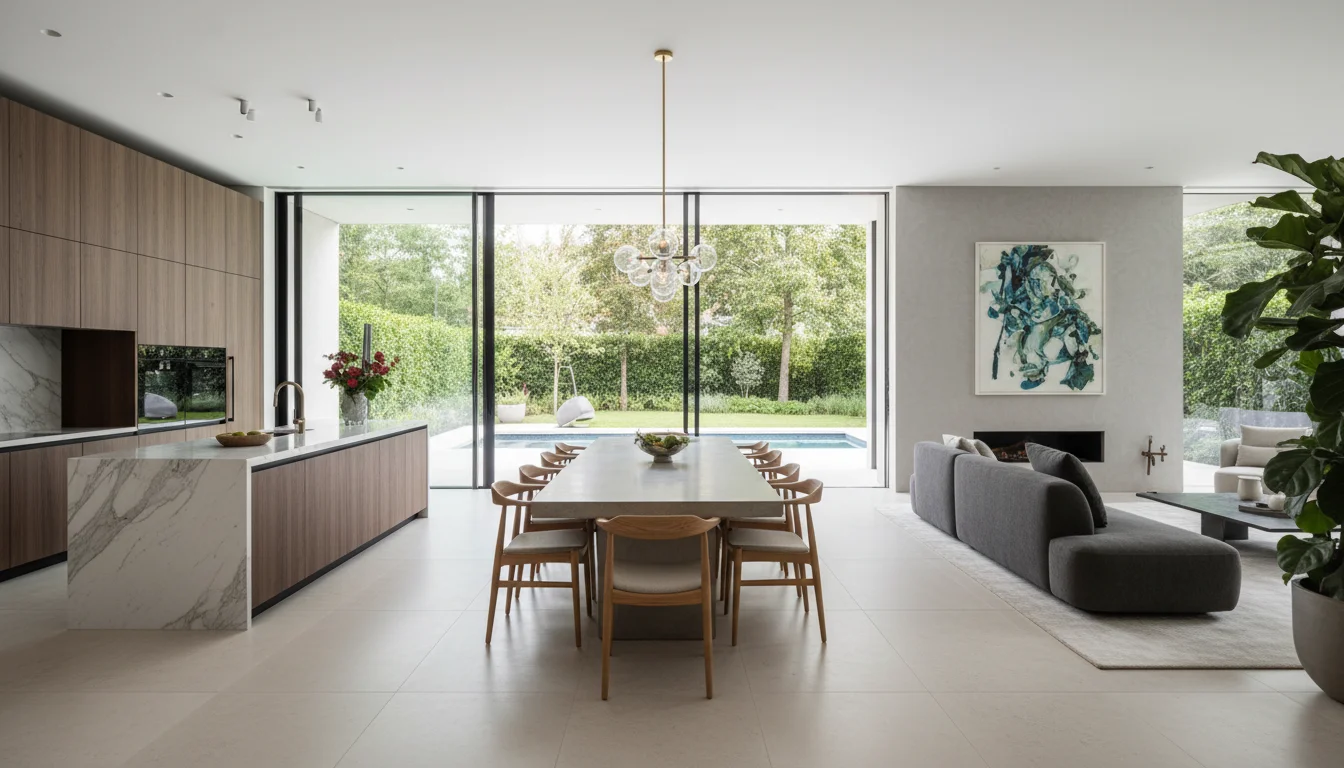
The concept of seamless living dining is no longer a distant dream for homeowners; it’s a tangible reality shaping modern interiors. This approach reimagines how we interact with our homes, blurring the lines between functional zones to create an environment that feels both expansive and intimately connected. It’s about designing spaces that flow, where preparing a meal, enjoying a conversation, and relaxing all happen in a unified, harmonious setting. Think less about distinct rooms and more about fluid transitions that enhance daily life. This is the essence of the seamlessly integrated living space, and its impact on our domestic experiences is profound.
Rethinking Traditional Layouts
For decades, the conventional home was compartmentalized. Kitchens were tucked away, dining rooms were formal, and living rooms served a singular purpose. This separation, while offering privacy, often led to a disconnected feeling. Meals were prepared behind closed doors, and hosts were often isolated from their guests during entertaining. The modern ethos, however, champions openness and connection. It recognizes that life isn’t lived in isolated boxes. We cook, we eat, we socialize, and we relax, often within the same general vicinity. Therefore, the design of our homes should reflect this dynamic reality. This shift isn’t just about aesthetics; it’s about functionality and enhancing the way families and individuals live together. Breaking down these traditional barriers allows for a more engaged and integrated lifestyle. It’s a significant departure from the past, embracing a future where homes are more adaptable and responsive to our needs.
The Open-Concept Evolution
The open-concept layout, a precursor to truly seamless living dining, gained traction by combining kitchens, dining areas, and living rooms into one large, interconnected space. This created a sense of airiness and encouraged interaction. However, simply knocking down walls didn’t always achieve true seamlessness. Often, distinct furniture arrangements and flooring choices still demarcated the zones, creating visual rather than genuine functional integration. While a step in the right direction, the open-concept often stopped short of the ultimate goal: a space that feels entirely unified, where the transition between activities is so smooth it’s barely perceptible. It was a good start, but the evolution demanded more nuanced approaches to achieve a truly fluid domestic environment. The desire for greater cohesion persisted, pushing designers to find more sophisticated solutions.
Seamless living dining 1
Defining Seamless Integration
True seamless living dining goes beyond mere openness. It involves a thoughtful orchestration of design elements that ensure visual continuity and functional harmony. This means considering everything from material palettes and color schemes to lighting and furniture placement. The goal is to create a unified aesthetic that makes the entire space feel cohesive, regardless of the activity taking place. It’s about creating a dialogue between different areas, not a monologue. For instance, the same wood tones might appear in kitchen cabinetry, dining table legs, and living room shelving, creating a thread that runs through the entire area. Similarly, a consistent approach to lighting can tie together disparate zones, making them feel like part of a single, well-considered whole. This meticulous attention to detail is what elevates a well-designed open space into a truly seamlessly integrated one. It’s a sophisticated approach that prioritizes both form and function.
Key Elements of Seamless Design
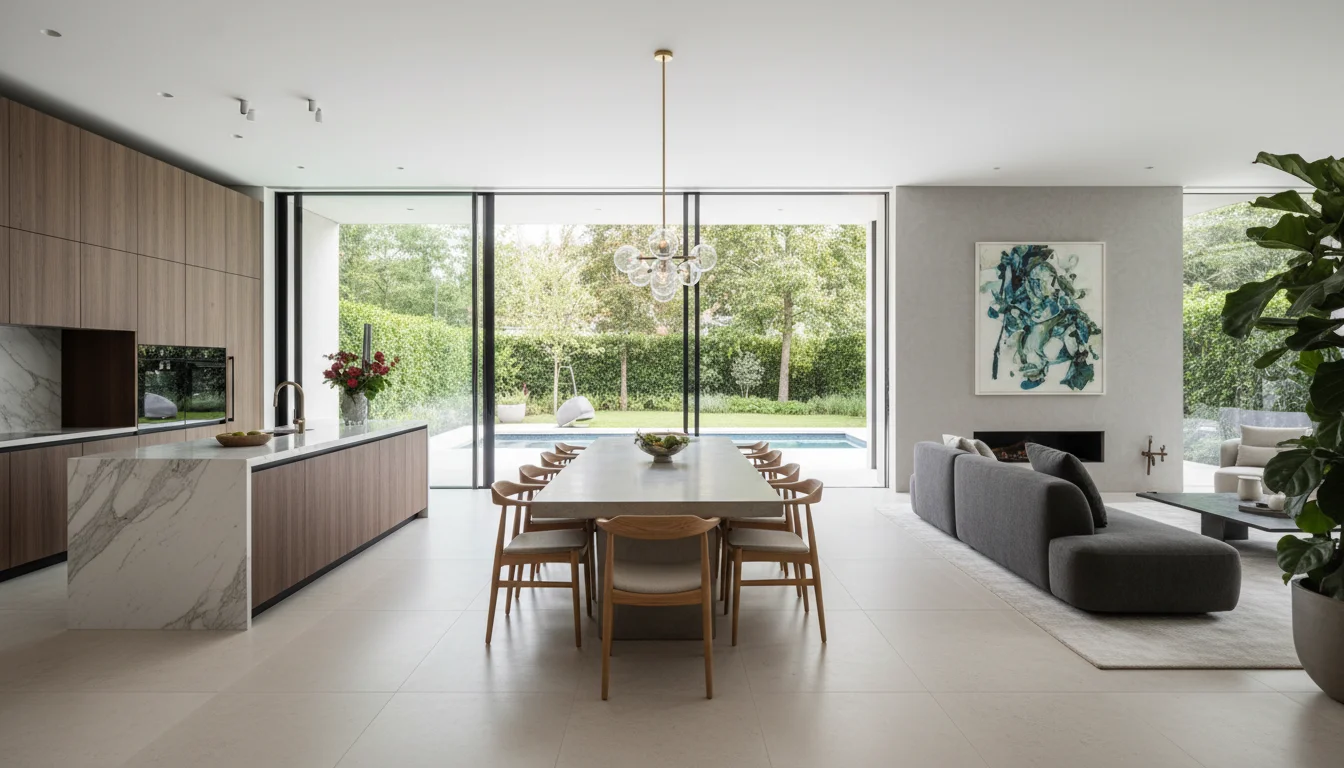
Achieving this level of integration relies on several critical design principles. Firstly, a cohesive color palette is paramount. Using a limited range of colors and materials throughout the combined space creates a visual flow that prevents abrupt changes. Think of using variations of a neutral base with carefully selected accent colors that appear in multiple zones. Secondly, consistent flooring is a powerful tool. A single type of flooring material extending across the kitchen, dining, and living areas visually links them, eliminating the jarring effect of different floor coverings. If distinct areas are desired, subtle changes in rug placement can define zones without breaking the flow. Thirdly, thoughtful furniture selection plays a crucial role. Pieces should not only be functional but also aesthetically compatible. For example, a dining chair might share a design element or material with a sofa or accent chair in the living area. Finally, lighting design is essential. Layered lighting, incorporating ambient, task, and accent lighting, can define areas without physical barriers. Undercabinet lighting in the kitchen can transition to pendant lights over the dining table and then to floor lamps in the living room, all contributing to a unified atmosphere. These interconnected elements work in concert to create the desired seamless effect.
Seamless living dining 2
The Kitchen as the Heart of the Home
In a seamlessly integrated living space, the kitchen often becomes the true heart of the home. It’s no longer a purely utilitarian area but a social hub where cooking, conversation, and casual dining converge. Islands and peninsulas are key features, serving as multi-functional surfaces for food preparation, serving, and informal seating. They act as gentle dividers, offering a sense of separation without completely isolating the cook from the rest of the activity. This design allows for effortless interaction. Hosts can prepare a meal while still engaging with family or guests. The visual connection is maintained, fostering a sense of togetherness. It transforms the kitchen from a place of solitary work into a dynamic center of family life. This transformation is a significant shift in how we perceive and utilize our homes, emphasizing community and shared experience. It’s a design that truly embraces modern living.
Dining: From Formal to Flexible
The traditional formal dining room often feels underutilized in contemporary homes. In a seamless living dining arrangement, the dining area is more flexible and integrated. It might be an extension of the kitchen island, a dedicated nook within the open space, or a more defined area that still maintains visual connection. The emphasis is on creating a space that is conducive to both everyday meals and more formal gatherings. This flexibility is achieved through versatile furniture choices. A extendable dining table can adapt to different group sizes. Stylish chairs that complement the living area’s decor ensure the dining space doesn’t feel out of place. The lighting above the dining table can also be a statement piece, acting as a focal point that ties the area together. This evolution acknowledges that dining is a social activity that benefits from being part of the broader home environment. It’s about making dining accessible and integrated into daily life, rather than an occasional, separate event.
Seamless living dining 3
Living Areas: Connected Comfort
The living area in a seamlessly integrated living space complements the kitchen and dining zones rather than standing apart. Furniture arrangements are often designed to encourage conversation and connection with those in the dining or kitchen areas. Sofas and armchairs might be oriented to face inwards, creating intimate seating groups, but with sightlines remaining open to the rest of the space. This encourages a sense of shared experience. Materials and textures used in the living area often echo those found in the kitchen and dining spaces, reinforcing the overall cohesion. For instance, if the kitchen features wooden accents, the living room might incorporate wood in its coffee table or shelving units. This thoughtful repetition of elements creates a harmonious whole. The goal is to make the living area feel inviting and comfortable, while also being an active participant in the home’s communal life. It’s about creating a space where everyone feels included, no matter where they are in the combined area. This fosters a stronger sense of family and connection.
The Role of Lighting
Lighting plays a pivotal role in defining and unifying seamless living dining areas. It’s not just about illumination; it’s about creating atmosphere and delineating zones without physical barriers. Ambient lighting, such as recessed ceiling lights, provides an overall glow that unifies the entire space. Task lighting is crucial for functionality. Under-cabinet lights in the kitchen ensure sufficient light for food preparation, while pendant lights or a chandelier above the dining table serve as a visual anchor for that area. Accent lighting, like wall sconces or table lamps, adds warmth and depth to the living area, creating cozy pockets for relaxation. Smart lighting systems allow for easy adjustment of brightness and color temperature, enabling the mood to be changed from a bright, functional setting for cooking to a warm, inviting ambiance for evening relaxation. This intelligent use of light transforms the perception of space, making it feel both expansive and intimately zoned. It’s a sophisticated way to manage the flow and feel of the integrated environment.
Seamless living dining 4
Materiality and Texture
The choice of materials and textures is another cornerstone of successful design. Consistency is key. Using similar materials across different zones creates a visual thread that ties them together. For example, quartz countertops in the kitchen might be echoed in a bathroom vanity or a sideboard in the dining area. Wooden elements, whether in cabinetry, flooring, or furniture, can provide warmth and continuity. A natural wood dining table can visually connect with wood accents in the living room’s entertainment unit or built-in shelving. Texture also contributes significantly. Introducing soft textiles like rugs, throws, and cushions in the living area can balance the harder surfaces often found in kitchens and dining spaces, creating a more inviting and comfortable atmosphere. Conversely, incorporating sleek, durable finishes in the living area can echo the practicality of the kitchen. The interplay of these elements ensures that the entire space feels harmoniously designed. It’s about creating a sensory experience that is consistent and pleasing. This attention to detail makes a significant difference in the overall feel of the home.
Defining Zones Subtly
While the goal is seamlessness, subtle cues can help define distinct functional areas within the larger integrated space. These cues avoid abrupt transitions and instead offer gentle suggestions of purpose. Area rugs are excellent for this. A large rug can define the living room seating area, while a smaller rug under the dining table can highlight that zone. The shape and placement of furniture also play a role. Arranging sofas and chairs to face each other naturally creates a living area. The orientation of the dining table and chairs indicates the dining zone. Even the type of lighting can suggest a zone; a statement pendant light over the dining table draws attention to that specific spot. Architectural elements can also contribute. A slightly raised platform for the dining area or a change in ceiling treatment can subtly demarcate spaces without erecting walls. These techniques allow the space to remain open and flowing while providing clarity on the intended use of different areas. It’s a delicate balance, ensuring functionality without sacrificing the feeling of unity. This nuanced approach is what truly defines modern, integrated living.
5
The Psychological Impact
The psychological impact of is substantial. It fosters a greater sense of connection and togetherness. When family members can interact effortlessly while different activities are underway, it strengthens bonds. Parents can supervise children more easily, and conversations can flow freely between different areas. This interconnectedness can reduce feelings of isolation, particularly for those who spend a lot of time at home. The perceived increase in space can also be beneficial, making smaller homes feel larger and more open. This sense of spaciousness can contribute to a more relaxed and less cluttered mental state. Honestly, who doesn’t want a home that feels more inviting and less compartmentalized? It’s about creating an environment that supports a more harmonious and engaged lifestyle. The positive effects on well-being are undeniable, making this design approach incredibly appealing for many.
Future Trends and Adaptations
As design continues to evolve, so too will the concept of . We are seeing a greater emphasis on multi-functional furniture and adaptable spaces that can transform to suit different needs throughout the day. Think of dining tables that fold away or expand, or living room furniture that can be reconfigured for different social scenarios. Technology will also play a larger role, with integrated smart home systems controlling lighting, sound, and even climate to create specific atmospheres for different activities within the same space. Biophilic design principles, incorporating natural elements like plants and natural light, will also become more prominent, further enhancing the sense of connection and well-being within these integrated environments. The future points towards homes that are not just aesthetically pleasing but are also highly responsive to the dynamic needs of their inhabitants, offering unparalleled comfort and connectivity. This ongoing innovation promises even more exciting possibilities for how we live and interact within our homes.