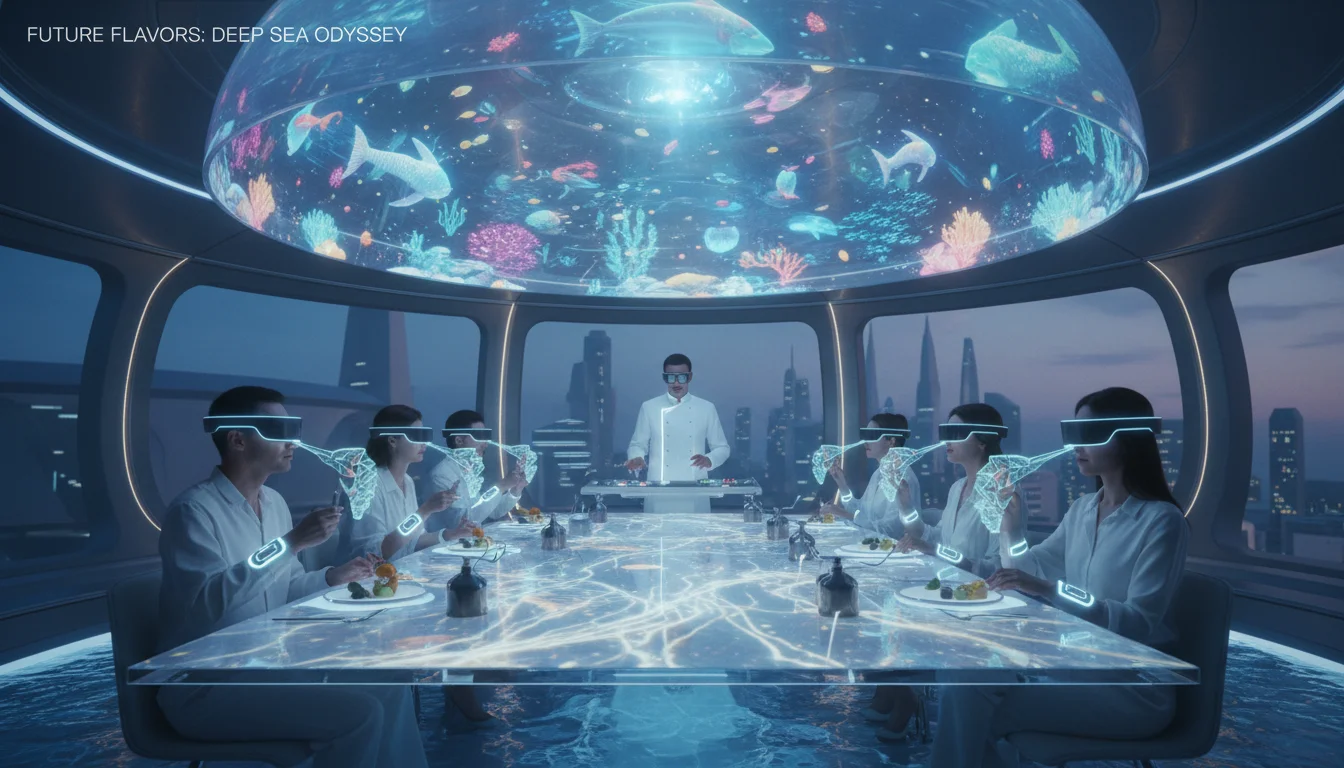
The future of dining is no longer just about taste; it’s a full sensory experience. Imagine a meal that transports you not only through flavor but also through sound, sight, and even touch. This is the essence of immersive culinary journeys, a significant shift in how we appreciate food. These experiences go far beyond traditional restaurant settings, creating elaborate narratives around each dish. They are not merely meals anymore. They are thoughtfully constructed adventures for the palate and the mind.
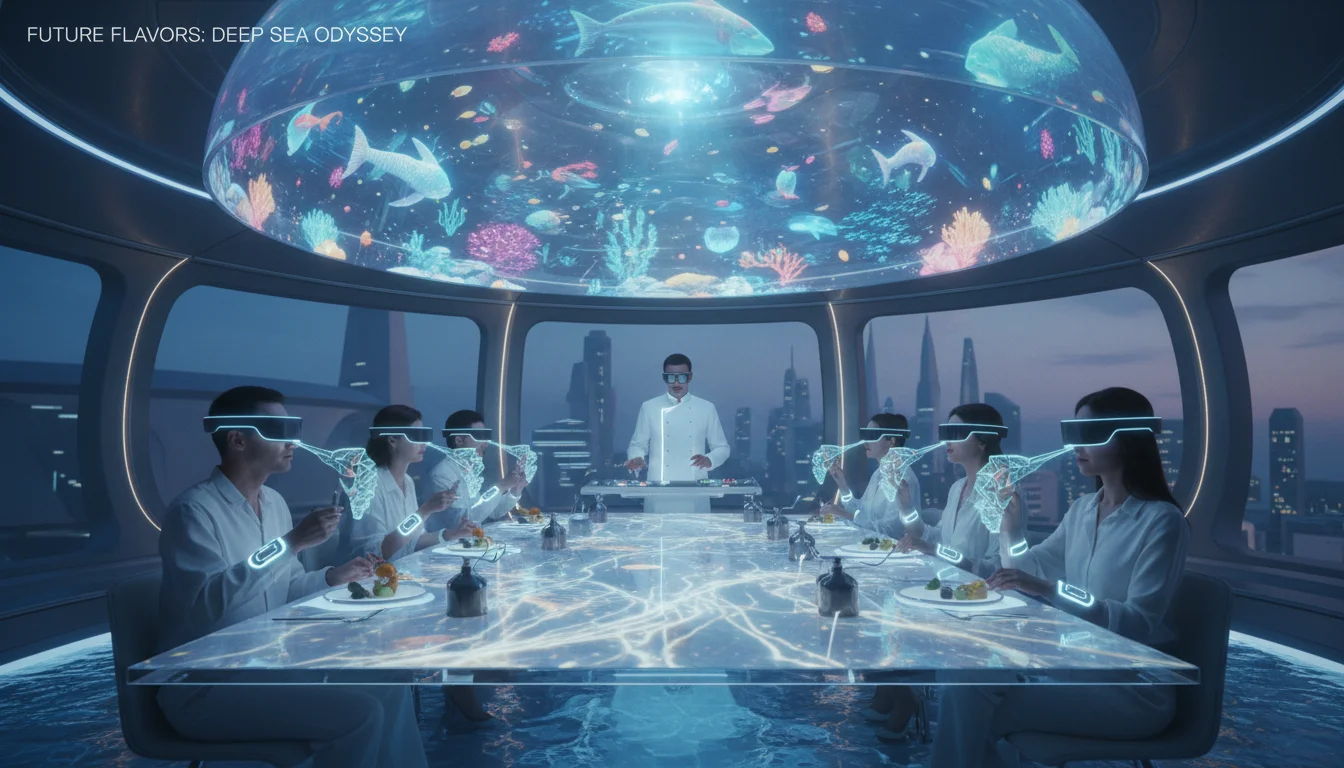
The concept hinges on complete engagement. Chefs and experience designers are working together to craft environments that complement and amplify the food being served. This means everything from the lighting and music to projections on the walls and interactive elements at the table plays a crucial role. The goal is to tell a story with every course, making the diner an active participant in the culinary narrative. It’s quite a departure from simply sitting down and being served. This approach transforms a meal into a memorable event.
Sensory Storytelling Takes Center Stage
At its core, immersive dining is about storytelling through senses. Instead of just presenting food, chefs are weaving narratives that unfold with each bite and each environmental cue. Consider a dish inspired by a forest; the air might be infused with the scent of pine, the table might be adorned with moss and twigs, and sounds of birdsong could fill the background. This multi-sensory approach creates a deeper connection to the ingredients and the inspiration behind them. It’s about evoking emotions and memories. Frankly, it elevates dining to an art form.
This isn’t a fleeting trend. It represents a fundamental evolution in consumer expectations. People are seeking experiences, not just products or services. For dining, this translates into a desire for meals that are not only delicious but also engaging and shareable. Social media plays a role, of course. Stunning visuals and unique concepts are inherently shareable. However, the deeper appeal lies in the novelty and the profound personal connection forged with the food and its presentation. It’s about creating moments worth talking about.
Immersive culinary journeys 1
Technology as a Culinary Canvas
Technology is a key enabler of these immersive culinary journeys. Projection mapping, for instance, can transform a plain table into a moving seascape or a starlit sky. Augmented reality overlays can provide information about the dish’s provenance or even animate elements on the plate. Haptic feedback devices, though less common, could subtly enhance the texture of food. These tools allow for dynamic and adaptable environments that can shift and change throughout the meal. They provide a level of interactivity previously unimaginable.
The integration of sound is also critical. Custom soundscapes are designed to match the mood and theme of each dish. A dish featuring seafood might be accompanied by the gentle sounds of waves, while a rich, earthy dish could be paired with the deep resonance of forest sounds. These auditory cues work in tandem with the visual and gustatory elements to create a cohesive and transportive experience. It’s about building a complete sensory bubble. This careful orchestration ensures that no element is left to chance.
The Evolution of the Restaurant Space
Traditional restaurant layouts are being reimagined. Instead of static dining rooms, we are seeing more flexible spaces that can be reconfigured to suit different themes and narratives. Some establishments are creating private dining pods where each group experiences a unique, personalized journey. Others are transforming entire venues into temporary, themed environments that change seasonally or for special events. This adaptability is crucial for keeping the immersive experience fresh and exciting. It allows for constant innovation.
The focus is shifting from mere seating arrangements to creating an overall atmosphere. Lighting is manipulated to evoke different moods, from intimate and romantic to bright and energetic. Scents are carefully diffused to enhance the aromas of the food. Even temperature can be adjusted to contribute to the overall narrative. The restaurant space itself becomes an active participant in the dining experience, not just a passive backdrop. It’s a holistic design philosophy.
Immersive culinary journeys 2
Crafting Narratives Around Ingredients
The narrative backbone of these journeys often revolves around the ingredients themselves. Chefs are delving deeper into the origins of their produce, the stories of the farmers, and the cultural significance of specific ingredients. This knowledge is then woven into the dining experience. A dish featuring rare truffles might be presented with projections of the forest where they were found, accompanied by the sounds of rustling leaves. It adds a layer of authenticity and appreciation. It connects diners to the source in a profound way.
This emphasis on provenance aligns with a growing consumer demand for transparency and sustainability. Diners are increasingly interested in knowing where their food comes from and how it was produced. Immersive culinary journeys provide a compelling platform to share this information in an engaging and memorable manner. It’s more effective than a simple menu description. It makes the ethical and environmental aspects of food consumption tangible. This transparency builds trust and loyalty.
Examples of Immersive Dining Concepts
Several establishments worldwide are pioneering these immersive culinary journeys. One popular concept involves themed tasting menus where each course represents a different chapter of a story. For example, a “Voyage of the Senses” might start with a dish evoking the sea, move to a dish inspired by a bustling marketplace, and conclude with a dessert representing a tranquil garden. Each transition is supported by changes in lighting, sound, and visual projections. It’s a carefully choreographed performance.
Another approach involves interactive elements. Diners might be asked to “hunt” for certain ingredients virtually projected onto their table, or they might use special utensils that trigger sensory effects. Some experiences incorporate live actors or performers who interact with the diners, further blurring the lines between dining and theatre. The key is to keep the diner actively involved. Passivity is the enemy of immersion. This active participation makes the experience deeply personal.
Immersive culinary journeys 3
The Psychological Impact of Immersion
The psychological impact of immersive dining is significant. By engaging multiple senses simultaneously, these experiences can create stronger memories. The emotional connection to the food and the environment is heightened, leading to a more profound appreciation of the meal. It taps into our primal instincts for storytelling and exploration. It also offers a form of escapism from the everyday. People often leave feeling energized and inspired. It’s more than just eating; it’s an emotional journey.
This heightened engagement can also influence taste perception. When the environment and narrative are aligned with the food, the brain is primed to perceive flavors in a richer, more complex way. The expectation set by the sensory cues can actually alter how we experience the taste. It’s a fascinating interplay between psychology and physiology. The mind plays a powerful role in what we perceive as delicious. This is precisely what immersive dining exploits.
Challenges and Opportunities
Creating truly immersive culinary journeys presents numerous challenges. The investment in technology and elaborate set design can be substantial. Developing compelling narratives requires a multidisciplinary team of chefs, designers, and storytellers. Maintaining the quality and consistency of such complex experiences is also a significant undertaking. Each element must be executed flawlessly for the illusion to hold. A single misstep can break the spell. This requires meticulous planning and execution.
However, the opportunities are equally vast. Immersive dining offers a unique competitive advantage in a crowded market. It attracts diners seeking novel and memorable experiences. It also provides a platform for chefs to express their creativity in new and exciting ways, pushing the boundaries of culinary art. Furthermore, these experiences can command premium pricing, reflecting their unique value proposition. The potential for brand building and customer loyalty is immense. It’s a new frontier for hospitality.
Immersive culinary journeys 4
The Future of Food and Experience
Looking ahead, are likely to become more sophisticated and accessible. As technology advances and becomes more cost-effective, more restaurants may adopt elements of this approach. We might see personalized immersive experiences tailored to individual preferences and dietary needs. Virtual reality could also play a larger role, allowing for even more fantastical and far-reaching culinary adventures. Imagine dining on Mars or in a historical banquet. The possibilities are endless.
The core principle, however, will remain the same: to create dining experiences that engage all the senses and tell a compelling story. It’s about moving beyond sustenance to offer a form of edible art and entertainment. The future of food is not just about what’s on the plate, but the entire world that surrounds it. It’s a holistic approach to eating. This evolution promises a more engaging and enriching future for diners everywhere. Honestly, it’s an exciting time to be a food lover.
Redefining Hospitality and Connection
This shift towards also redefines the very nature of hospitality. It’s no longer just about service; it’s about creating an emotional connection and a shared experience. The restaurant becomes a destination for adventure and discovery, not just a place to eat. This fosters a deeper sense of community and shared memory among diners. It’s about creating moments that resonate long after the meal is over. These experiences build lasting relationships.
Ultimately, these journeys are about more than just food. They are about human connection, imagination, and the joy of discovery. They offer a welcome escape from the ordinary, allowing diners to explore new worlds and perspectives through the universal language of food. It’s a powerful testament to the enduring appeal of a well-crafted meal, elevated by artistry and innovation. The dining table has become a portal. It’s a truly transformative concept.