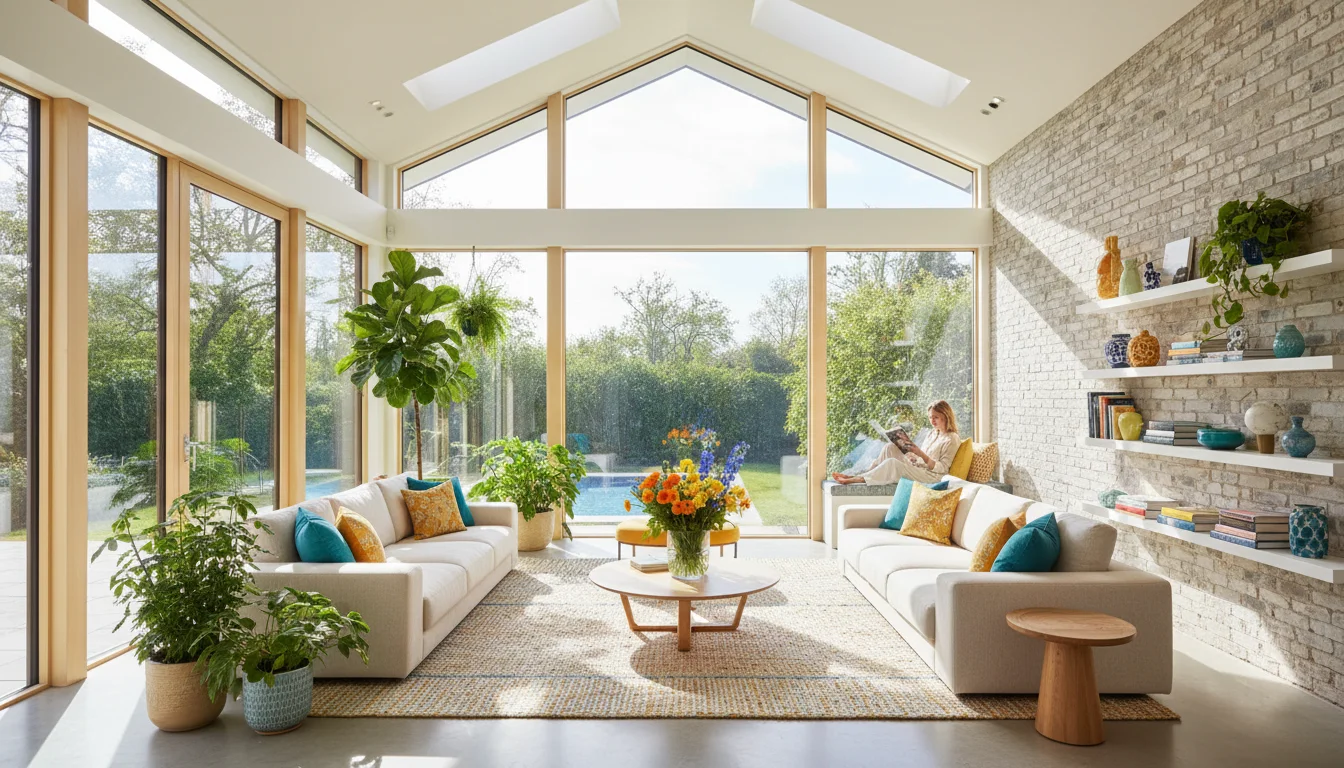
Imagine stepping into a home that feels alive, bathed in a soft, golden glow that shifts throughout the day. This isn’t just about brightness; it’s about creating a Sunlit Sanctuary, a space where natural light plays a crucial role in shaping mood, enhancing colors, and promoting well-being. It’s a feeling, a palpable sense of warmth and energy that transforms ordinary rooms into extraordinary havens. Let’s be real, artificial lighting can be functional, but it rarely replicates the dynamic beauty of the sun. Properly harnessing natural light is key to achieving this uplifting atmosphere. Turns out, maximizing daylight isn’t just a design trend; it’s a fundamental aspect of creating healthy, happy living spaces.
Strategic Window Placement
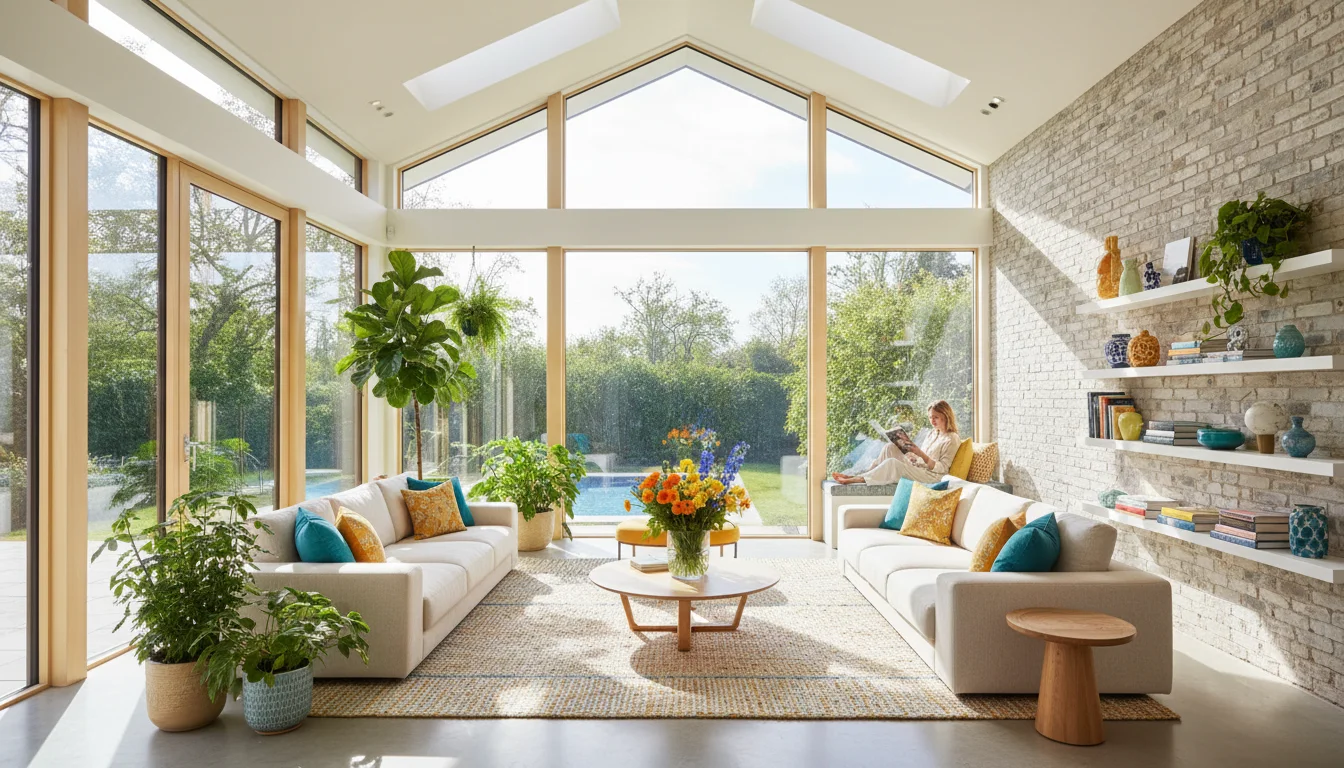
The orientation of windows is perhaps the most critical factor when designing or renovating a home with the goal of a Sunlit Sanctuary. North-facing windows, especially in the Northern Hemisphere, provide consistent, diffused light throughout the day without harsh glare. This is ideal for spaces where you need even illumination for activities like reading or detailed work, such as a home office or a craft room. South-facing windows, conversely, receive direct sunlight for much of the day. While this offers warmth and significant illumination, it can also lead to overheating and glare during peak hours. East-facing windows capture beautiful morning light, perfect for waking up to a bright start in bedrooms or kitchens. West-facing windows offer warm, dramatic afternoon and evening light, which can be wonderful for living areas and dining rooms, but again, glare and heat management are considerations. Thoughtful placement ensures each room receives the type of light it needs, when it needs it. This deliberate approach to window placement is foundational to any Sunlit Sanctuary.
The Role of Reflective Surfaces
Once light enters a room, how it behaves within that space is equally important. Reflective surfaces act like mirrors for natural light, bouncing it deeper into the room and making the entire area feel brighter and more expansive. Think about the impact of a well-placed mirror; it doesn’t just show your reflection; it amplifies the light and visual space. This principle extends to other materials. Glossy or satin finishes on paint, furniture, and even flooring can significantly contribute to light distribution. White or light-colored walls are classic for a reason; they reflect the most light. However, even subtle sheen on a cream or pale grey wall can make a noticeable difference compared to a matte finish. Incorporating metallic accents, such as brushed nickel or polished chrome fixtures, can also scatter light effectively. Even the sheen on a silk curtain or a lacquered coffee table plays a part in creating a more luminous interior. This careful selection of materials helps the light travel further, enhancing the feeling of a Sunlit Sanctuary.
Sunlit Sanctuary 1
Window Treatments: Less is More
When aiming for a Sunlit Sanctuary, window treatments are not about blocking light but about controlling and enhancing it. Heavy, dark drapes can be beautiful, but they are the enemy of natural light. Instead, opt for treatments that allow light to filter through while still offering privacy and glare reduction. Sheer curtains made from linen, cotton, or voile are excellent choices. They diffuse sunlight, creating a soft, ethereal glow that prevents harsh shadows. Roller blinds made from light-filtering fabrics offer flexibility, allowing you to adjust the amount of light entering the room throughout the day. For added control, consider double curtain rods that allow for both sheer curtains and heavier drapes to be used simultaneously, offering maximum adaptability. Plantation shutters, with their adjustable louvers, also provide a sophisticated way to manage light and privacy. The key is to choose treatments that work with the light, not against it, ensuring your Sunlit Sanctuary remains illuminated.
Maximizing Existing Light Sources
Sometimes, the solution isn’t about adding more windows but about optimizing the ones you already have. Regularly cleaning your windows, inside and out, is a simple yet remarkably effective step. Grime and streaks can significantly reduce the amount of light that penetrates your home. Consider the exterior of your home as well. Overgrown trees or shrubs can cast shadows that block precious daylight. Trimming branches or rethinking landscaping can open up your home to more sunlight. Inside, think about furniture placement. Large, bulky furniture can obstruct light flow. Arranging sofas and chairs to allow light to travel unimpeded from the windows towards the center of the room makes a substantial difference. Clear clutter from windowsills to allow light to enter freely. These small adjustments can have a surprisingly large impact on the overall luminosity of your living spaces, contributing to a truly Sunlit Sanctuary.
Sunlit Sanctuary 2
The Power of Open Floor Plans
The architectural layout of a home plays a significant role in how light moves through it. Open floor plans are inherently more conducive to creating a because they minimize the barriers that block natural light. Walls, especially solid ones, create shadows and compartmentalize light. By removing unnecessary interior walls, you allow sunlight to penetrate deeper into the core of your home. Light can then travel from windows in one area to spaces further within the house, creating a more unified and luminous environment. This effect is amplified when combined with strategic placement of glass doors or internal glass partitions, which allow light to pass through while still defining different functional zones. The sense of spaciousness that an open plan provides is further enhanced by the abundant natural light, making the entire home feel more airy and welcoming. It’s a design choice that directly supports the creation of a bright, airy .
Color Palette: Light’s Best Friend
The colors you choose for your walls, ceilings, and even your large furniture pieces have a profound impact on how light is perceived and reflected within a room. Light colors are, of course, the most effective at reflecting natural light. Whites, creams, pale greys, and soft pastels bounce light around the room, making it feel larger, brighter, and more open. A crisp white ceiling can make a room feel significantly taller and more illuminated. Consider the finish of your paint as well. A satin or eggshell finish will have a subtle sheen that reflects more light than a matte finish. Even if you prefer bolder colors, using them strategically as accents rather than for entire walls can maintain the overall brightness. For instance, a deep blue accent wall might be balanced by lighter tones elsewhere. The goal is to create a harmonious color scheme that works in concert with natural light, ensuring your feels consistently radiant.
3
Strategic Use of Mirrors
Mirrors are more than just decorative elements; they are powerful tools for manipulating light and space. Positioned correctly, a mirror can act as a secondary window, reflecting daylight deeper into a room and making it appear larger. Placing a mirror directly opposite a window is a classic technique that effectively doubles the light entering the space. Consider the size and shape of the mirror; larger mirrors will have a more pronounced effect. Full-length mirrors leaning against a wall can bounce light across the floor, while a gallery of smaller mirrors can create a shimmering, dynamic effect. Even mirrored furniture or decorative objects can contribute to this light-amplifying strategy. When creating your , don’t underestimate the power of these reflective surfaces to expand and brighten your interiors. It’s a simple, yet incredibly effective, design trick.
Landscaping for Light
The external environment surrounding your home can either enhance or hinder the amount of natural light you receive. Thoughtful landscaping can significantly contribute to a . Large trees planted too close to south-facing windows can cast considerable shade, blocking sunlight for much of the day. Consider pruning these trees to allow more light to filter through, or if necessary, consider relocating smaller plants. Conversely, strategically placed deciduous trees can offer shade during the hot summer months, preventing overheating, while allowing sunlight to penetrate during the cooler winter months when the leaves have fallen. Low-lying shrubs and carefully chosen flowering plants can add beauty without obstructing light. Even the color of your exterior walls can play a role; lighter colors will reflect more light back towards your windows. Essentially, your garden should be designed to work in harmony with the sun’s path, maximizing daylight for your home.
The Impact on Well-being
Beyond aesthetics, the presence of abundant natural light has a profound impact on our physical and mental well-being. Sunlight helps regulate our circadian rhythms, the body’s natural sleep-wake cycle, which can lead to improved sleep quality and increased energy levels during the day. Exposure to natural light has also been linked to improved mood and reduced symptoms of seasonal affective disorder (SAD). It can boost productivity and concentration, making spaces that receive ample daylight ideal for work or study. Furthermore, natural light enhances the appearance of colors and textures within a room, making spaces feel more inviting and comfortable. Creating a is not just about good design; it’s about creating an environment that supports a healthier, happier lifestyle. It truly makes a difference in how we feel and function within our homes.
4
Maintenance and Longevity
Maintaining the elements that contribute to a is crucial for its continued effectiveness. Regular cleaning of windows, as mentioned, is paramount. Inspecting window seals for any drafts or leaks can prevent energy loss and maintain a comfortable interior climate. For any external landscaping adjustments, ensure they are done with long-term growth in mind. If you’ve invested in light-filtering blinds or curtains, follow their care instructions to keep them looking their best and functioning optimally. The goal is to create a space that is not only bright and beautiful initially but remains so for years to come. Consistent, simple maintenance ensures that your continues to provide its beneficial effects, contributing to a consistently pleasant and uplifting home environment. It’s about preserving that luminous quality.