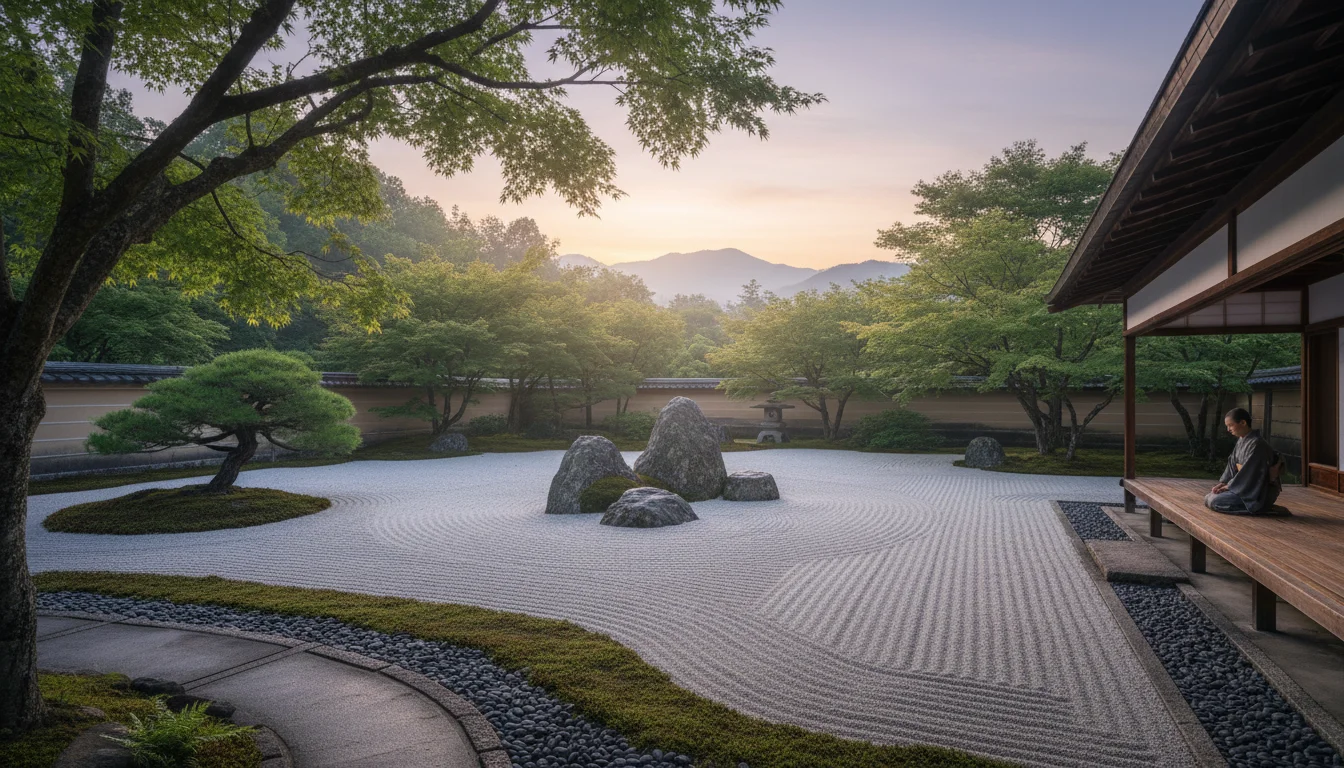
The immediate appeal of a Zen garden lies in its profound stillness. It’s not just about rocks and sand; it’s about a carefully curated absence of clutter, a deliberate decluttering of the senses that invites introspection. This minimalist harmony isn’t accidental. It’s a deeply considered aesthetic, a philosophy made tangible, designed to quiet the mind and foster a sense of peace. Understanding this intentionality is key to appreciating the true essence of Zen Garden Harmony.
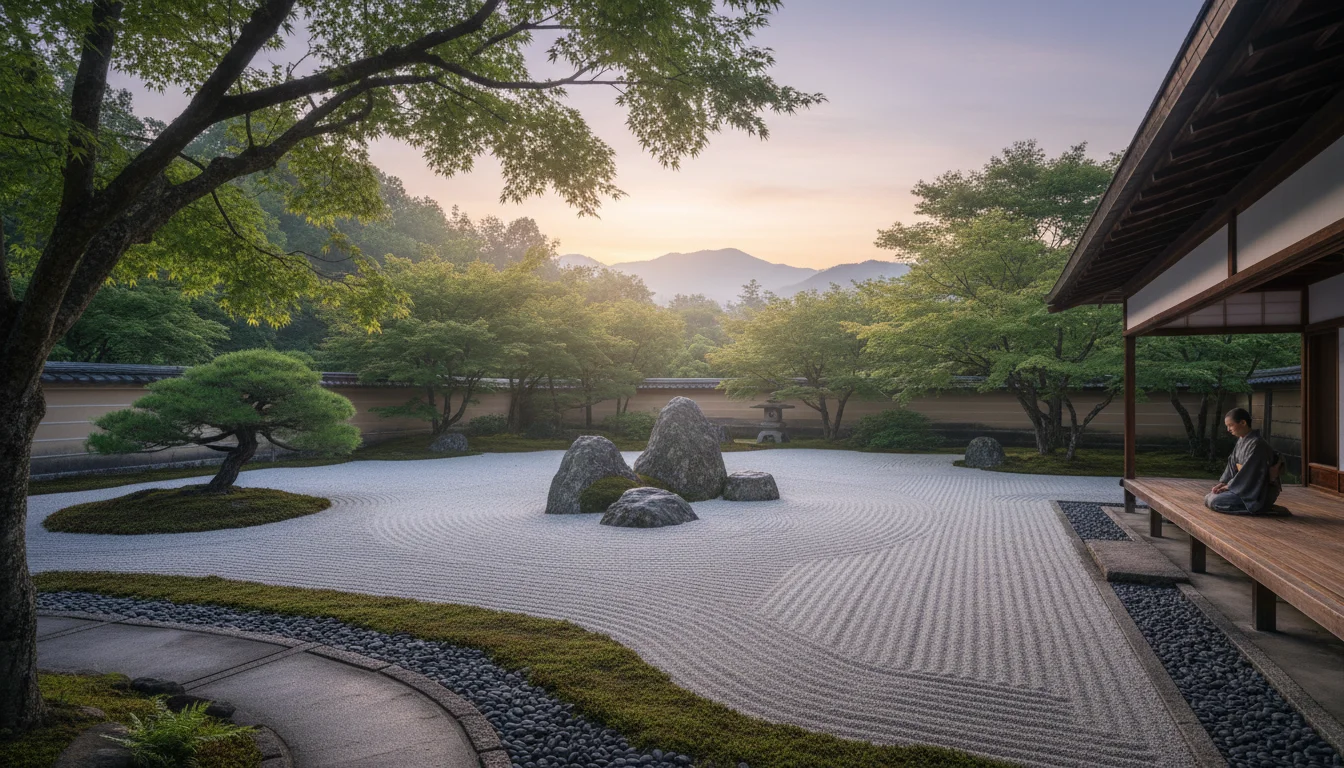
The first impression is often one of stark simplicity. Yet, beneath this surface lies a complex interplay of elements. Each component, no matter how small, carries symbolic weight and contributes to the overall feeling of balance. This deliberate composition is what transforms a collection of natural materials into a space of contemplation and Zen Garden Harmony.
The Core Elements of Design
The foundation of any Zen garden rests on a few fundamental elements, each chosen with precision. These aren’t arbitrary additions; they are the building blocks of a serene experience. The careful selection and arrangement of these components are crucial for achieving the desired minimalist harmony.
Rocks are often the focal point. They represent mountains, islands, or even mythical creatures. Their placement is paramount, suggesting stability and permanence. The asymmetry in their arrangement is intentional, mirroring the natural world where perfect symmetry is rare. This carefully managed imbalance creates a dynamic visual tension that is paradoxically calming. The texture and color of the stones also play a vital role, contributing to the overall tactile and visual feel of the garden.
Sand or gravel forms the base of most Zen gardens. This ‘sea’ or ‘river’ is raked into patterns, typically parallel lines or concentric circles. These patterns are not merely decorative; they symbolize water, waves, or even the flow of time. The act of raking itself is a meditative practice for the gardener, a physical manifestation of the garden’s underlying principles. The stark white or light grey of the sand provides a blank canvas, allowing the rocks and other elements to stand out more prominently, thus enhancing the sense of Zen Garden Harmony.
Zen Garden Harmony 1
Moss, where used, adds a touch of lushness and age. It softens the harshness of the rocks and sand, suggesting the passage of time and the gentle embrace of nature. Its deep green hue provides a contrast to the lighter tones of the sand and stone, adding another layer to the visual composition.
Minimal vegetation is another hallmark. Unlike traditional gardens that burst with colorful blooms, Zen gardens often feature only a few carefully chosen plants. These might include bonsai trees, sculpted shrubs, or hardy ferns. Their purpose is not to overwhelm but to complement. They offer a sense of life and organic form without disrupting the overall austerity. The disciplined growth of these plants mirrors the self-control and mindfulness that Zen philosophy encourages, contributing to the overall Zen Garden Harmony.
Symbolism and Meaning
Beyond their physical attributes, each element in a Zen garden is imbued with symbolic meaning. This layer of interpretation deepens the contemplative experience, transforming the garden from a mere visual arrangement into a philosophical statement. Understanding these symbols enhances one’s appreciation for the profound Zen Garden Harmony.
The rocks, as mentioned, can represent mountains or islands, grounding the viewer and offering a sense of stability. Their placement can also symbolize various aspects of life’s journey. A single large rock might signify a solitary peak, while a cluster of smaller rocks could represent a chain of islands. This storytelling through arrangement is a core aspect of Zen Garden Harmony.
The raked sand or gravel is perhaps the most overtly symbolic element. The patterns evoke water, its fluidity, and its power. The act of raking, a repetitive and precise task, encourages focus and mindfulness. It’s a visual representation of clearing the mind, smoothing out the rough edges of daily life to reveal a calmer, more ordered inner state. The absence of actual water is also significant; it allows the mind to conjure the essence of water without the distraction of its physical presence, a subtle yet powerful aspect of Zen Garden Harmony.
Zen Garden Harmony 2
The emptiness, the negative space, is as important as the elements themselves. This void is not a lack but a presence. It allows the eye to rest, the mind to wander, and the imagination to fill in the gaps. This deliberate use of negative space is a critical component of the garden’s ability to promote tranquility and cultivate . It provides room for thought, for silence, and for a deeper connection with oneself.
The Philosophy of Emptiness (Ma)
Central to the concept of is the Japanese aesthetic principle of ‘Ma’ (間). This concept refers to the space between things, the interval, the pause. It is not merely emptiness but a meaningful void, a pregnant silence that gives shape and form to what surrounds it. Embracing Ma is essential to grasping the depth of a Zen garden’s design.
In a Zen garden, Ma is evident in the generous spacing between rocks, the vast expanse of raked gravel, and the carefully considered areas of untouched ground. These intervals are not wasted space; they are active participants in the composition, defining the relationship between objects and guiding the viewer’s perception. This deliberate use of void creates a sense of spaciousness and allows each element to be appreciated individually, contributing to the overall .
The principle of Ma extends beyond the visual. It encompasses the pauses in conversation, the silence between musical notes, and the moments of quiet reflection in daily life. A Zen garden, by its very design, encourages an awareness of these pauses, fostering a state of mindfulness and an appreciation for the subtle rhythms of existence. This mindful engagement is a direct pathway to experiencing genuine .
This philosophical underpinning is what distinguishes a Zen garden from a mere ornamental arrangement. It is a tool for cultivating mental discipline and spiritual awareness, a physical manifestation of Zen Buddhist principles. The garden is not just to be looked at; it is to be experienced, to be felt, and to be meditated upon, thereby achieving a profound .
3
The Role of Asymmetry and Imperfection
Contrary to Western ideals of perfect symmetry, Zen gardens embrace asymmetry and the beauty of imperfection. This approach reflects a deep understanding of the natural world, where flawless order is rarely found. The acceptance of irregularity fosters a sense of groundedness and authenticity, key components of .
The placement of rocks, for instance, is rarely symmetrical. One might find a large boulder paired with smaller, irregularly shaped stones. This creates a more dynamic and naturalistic composition. This deliberate imbalance draws the eye and encourages a more active engagement with the garden’s design. It’s a subtle reminder that true beauty often lies in the unexpected, in the slightly off-kilter, a core tenet that contributes to the unique .
The concept of ‘wabi-sabi’ also plays a significant role. This aesthetic celebrates the transient nature of life and the beauty of imperfection, aging, and decay. A moss-covered rock, a slightly weathered stone, or a plant that shows signs of age are not seen as flaws but as marks of character and history. These imperfections add depth and a sense of lived experience to the garden, enhancing its contemplative qualities and its profound .
This acceptance of imperfection is a powerful lesson. It encourages us to look beyond the superficial and find beauty in the ordinary, the aged, and the slightly flawed. In a world often obsessed with perfection, the Zen garden offers a refreshing perspective, a gentle nudge towards embracing the natural ebb and flow of life, thereby deepening the experience of .
The Gardener’s Meditative Practice
The creation and maintenance of a Zen garden are intrinsically linked to the practice of meditation. The gardener’s actions are not mere chores but acts of mindfulness, each movement imbued with intention. This dedication to the process is as vital to the garden’s essence as the materials themselves, contributing to the living .
4
Raking the gravel is perhaps the most visible example. The repetitive, rhythmic motion of the rake, creating precise lines and patterns, demands complete focus. The mind must be cleared of distractions, allowing the gardener to be fully present in the moment. This act of creation becomes a form of moving meditation, a physical embodiment of mental discipline. The resulting patterns are not just aesthetically pleasing; they are a visual record of the gardener’s inner state, a tangible expression of .
The selection and placement of rocks, the pruning of plants, and even the sweeping of fallen leaves are all opportunities for mindful engagement. Each decision is made with careful consideration of how it contributes to the overall balance and serenity of the garden. The gardener is not imposing their will on nature but working in concert with it, seeking to reveal its inherent beauty and order. This collaborative spirit is central to achieving true .
Ultimately, the Zen garden serves as a mirror. It reflects the inner state of the observer and the gardener. When the garden is meticulously cared for and imbued with mindful intention, it offers a potent space for contemplation, a sanctuary where one can find solace and a deeper connection to oneself and the world. This ongoing dialogue between the garden and its caretaker is what sustains its profound .
Experiencing
To truly appreciate a Zen garden is to engage with it on multiple levels. It requires a willingness to slow down, to observe, and to allow the space to work its quiet magic. The experience transcends mere visual appreciation; it is an invitation to inner peace and a profound sense of .
Begin by simply observing. Notice the interplay of light and shadow on the raked gravel. Feel the stillness that permeates the air. Allow your gaze to follow the lines of the sand patterns, letting them guide your thoughts. Resist the urge to analyze or categorize; instead, simply be present with the scene. This passive observation is the first step towards unlocking the garden’s contemplative potential and experiencing its .
5
Consider the symbolic meanings, but do not let them become rigid dogma. Let them spark your own interpretations. How do the rocks make you feel? What thoughts do the raked lines evoke? The garden is a personal space for reflection, and its meaning can evolve with each visit. This personal connection is crucial for fostering a deep and lasting appreciation for the .
Take time to notice the details. The texture of a stone, the subtle curve of a branch, the way moss clings to a weathered surface. These small elements, often overlooked, are integral to the garden’s overall aesthetic and its ability to evoke a sense of calm. It is in these quiet observations that the true depth of can be found.
The goal is not to solve problems or find definitive answers, but to cultivate a state of mindfulness and acceptance. The Zen garden offers a sanctuary from the noise of the world, a space where the mind can quieten and the spirit can find repose. It is a powerful reminder of the beauty of simplicity, the strength of stillness, and the enduring power of .