ADELAIDE (WHN) – The holiday decorations may be coming down, but for many in Adelaide, the real season of change is just beginning, and it’s bringing a rental market that’s both opening up and slamming shut.
Summer, a time when schooling shifts and new career opportunities beckon, usually sees a significant uptick in property movement. This year, that familiar rhythm is amplified, drawing not just local hopefuls but also a growing contingent from interstate, all vying for a slice of Adelaide’s rental pie.
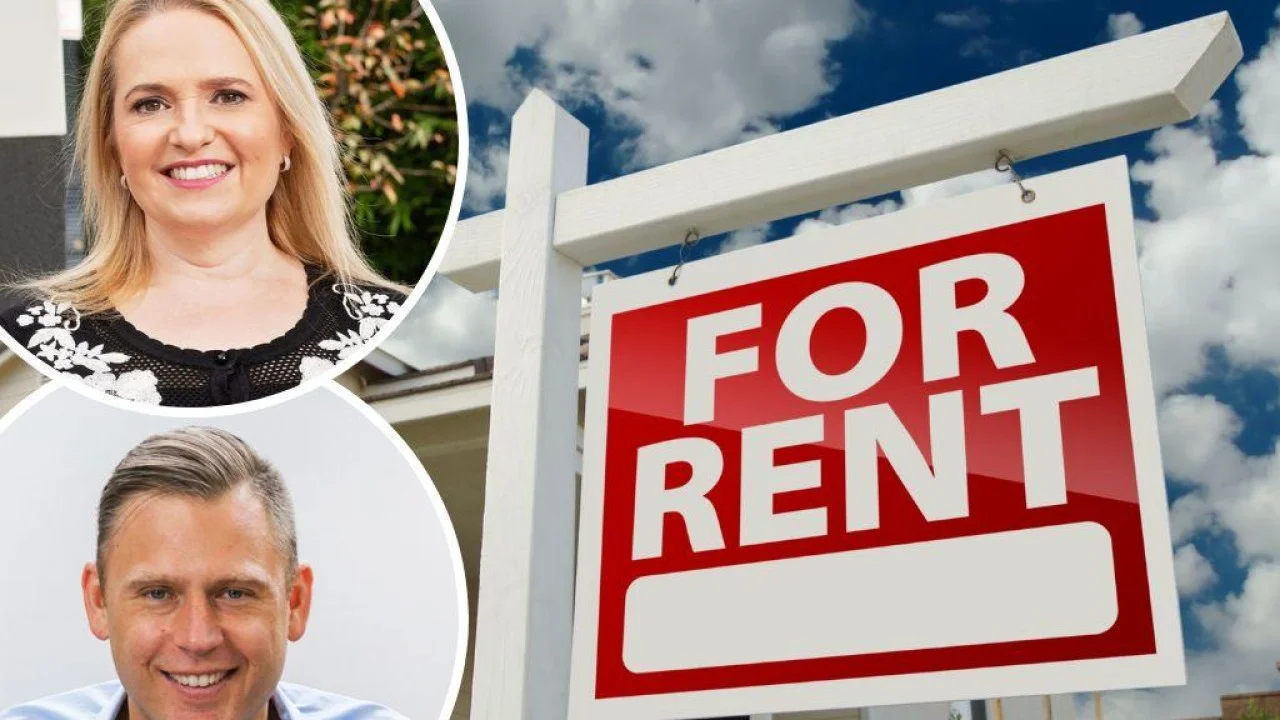
Turner Real Estate chief executive Emma Slape paints a clear picture: more doors are opening, but the queues are longer and far more determined. “We’re still getting multiple applications on properties,” Slape confirmed, adding that houses remain the prime targets for those seeking a new home.
Open inspections, even ahead of the traditional Christmas and New Year lull, have been consistently well-attended. Slape expects this trend to intensify in the coming weeks. “We are still expecting a bit more movement from mid January through to March,” she noted.
This surge in demand isn’t just about new arrivals. Many tenants, faced with escalating costs or shifting life circumstances, are signaling their departure. Some are choosing not to renew their leases, while others are opting to break them, often citing the sheer expense of maintaining a rental alone. “It’s now very hard to afford a property by yourself,” Slape stated frankly. She also observed a recent slowdown in rent price increases, a welcome respite that may prove temporary.
But a market-wide cooling doesn’t tell the whole story. Dig deeper into the PropTrack data, and you’ll find pockets of intense price growth. Over twenty suburbs and towns across South Australia have recorded double-digit jumps in asking rents over the past year, signaling that while the average might be steadying, significant price surges are still a reality for many.
Hayborough houses, for instance, have seen their median asking rent climb a sharp 21.2 per cent, hitting $600 per week. Wallaroo houses followed, up 18.4 per cent to $450 per week. Units in Brighton have also felt the squeeze, climbing 14.6 per cent to $550 per week. Further afield, Port Pirie West houses saw a 13.6 per cent increase to $375 per week, with Port Pirie South houses not far behind at 13.2 per cent, reaching $430 per week.
For those seeking the most affordable options in Metropolitan Adelaide, Glandore houses are listed at $440 per week. Plympton and Camden Park offer houses at a slightly higher $450 per week. For units, Evandale sits at $445 per week, with Brooklyn Park and Rosewater both coming in at $450 per week.
At the other end of the spectrum, Medindie commands the highest rents, with weekly asking prices hitting $1315 per week. Malvern and Unley Park are also premium locations, with asking rents at $1050 per week.
Harris Real Estate managing director Phil Harris anticipates this trend will continue, drawing parallels between rental price growth and the projected trajectory of house prices over the next decade. “In a property market that is inclining so quickly, I think rental prices are mirroring that, thanks largely to the ongoing limited supply of property,” Harris explained.
He pointed to a specific chasm in the market. “The main shortage is in the supply of affordable rentals,” he said. “The higher you go the more opportunities, but below $700 a week is highly competitive.” This suggests a widening gap between those who can secure a relatively affordable lease and those facing increasingly difficult choices.
The underlying dynamic, according to industry insiders, is a persistent imbalance between the number of available properties and the sheer volume of people seeking them. This scarcity, particularly for more affordable housing stock, acts as a constant upward pressure on rents, even as broader economic factors might suggest a cooling.
As the summer migration season progresses, prospective tenants will indeed find more options appearing on the market. Yet, the competitive nature of the Adelaide rental scene, driven by limited supply and sustained demand, means that securing a new home will likely require swift action and a keen understanding of local market dynamics.
This analysis is for informational purposes only and not investment advice.