AI Models Single-Celled Chemists’ Secrets
SAN FRANCISCO (WHN) – The vast, unseen world of microbes, which dominates Earth’s biomass and performs critical environmental functions, is slowly yielding its genomic secrets thanks to a novel application of artificial intelligence: genomic language modeling.
For decades, microbiologists have grappled with an overwhelming data problem. Out of an estimated one trillion species, 99.999 percent are microbial. Yet, less than one percent of their genes have known, validated functions in a lab. Many of these organisms simply won’t grow under artificial conditions, leaving researchers with reams of genetic sequence data and little understanding of what it all means.
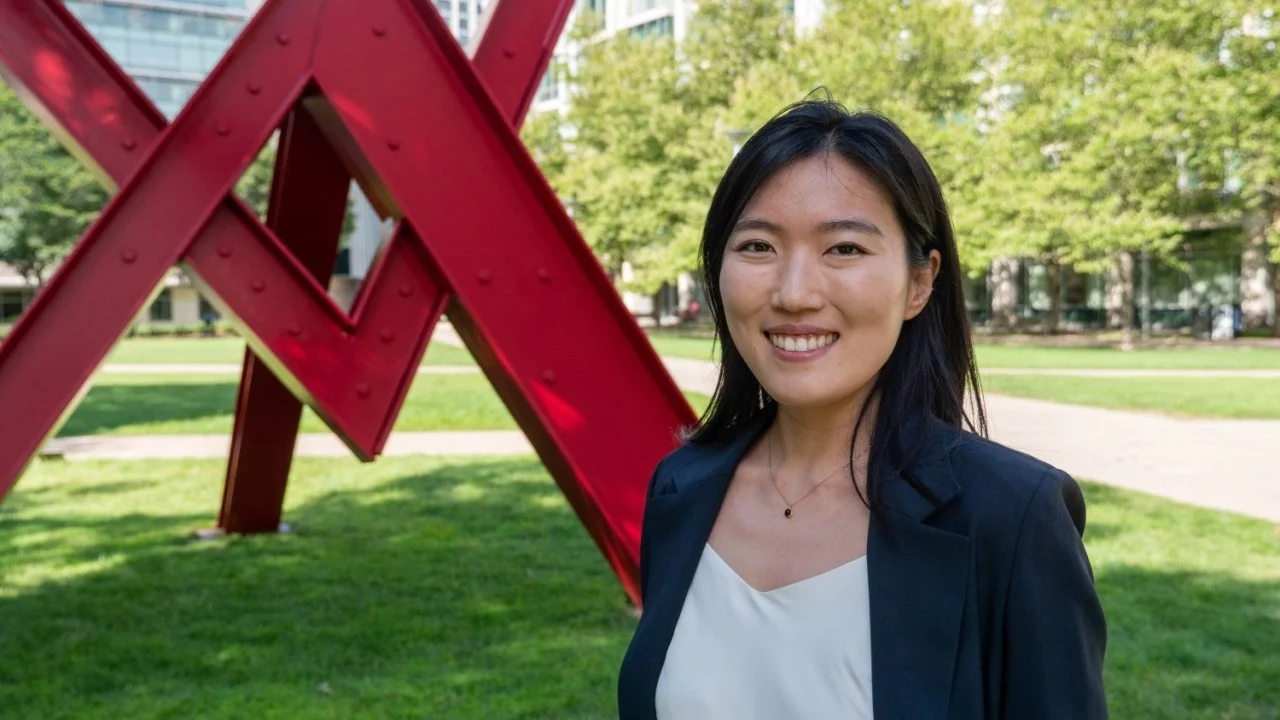
This is where computational approaches, specifically large language models adapted for biological data, are making a significant impact. MIT faculty member Yunha Hwang, with a background in both environmental microbiology and computer science, is at the forefront of this work. Her research bridges biology and computation, aiming to decipher the complex “language” of DNA.
Hwang’s interest in extreme environments, sparked by childhood astronaut aspirations, led her to study microbes in places like deep-sea hydrothermal vents. “Extreme environments are great places to look for interesting biology,” she explained. The challenge, however, is that most microbes found there are unculturable. This necessitates methods like metagenomics, where genetic material is sequenced directly from environmental samples.
The core of Hwang’s latest research is what she terms “genomic language modeling.” It’s conceptually similar to how models like GPT-4 learn human languages, but instead of words and grammar, it processes the base pairs of DNA. “A genomic language model is technically a large language model, except the language is DNA as opposed to human language,” Hwang stated.
Training these models on the sheer diversity of microbial genomes allows researchers to identify patterns that would be invisible to human analysis. A single gram of soil can contain thousands of unique microbial genomes, each millions of letters long. “A human cannot possibly look at that and make sense of it,” Hwang noted. AI can segment this data into meaningful pieces, a task that extends beyond traditional bioinformatics, which typically focuses on single genomes.
Historically, understanding protein function relied on sequence or structural similarity – essentially, if a protein looked like another known protein, it was assumed to have a similar job. This approach, while useful, has limitations. Hwang’s research aims to go further by incorporating genomic context.
Microbiology has long known that genes are not isolated units. The DNA regions surrounding a gene, known as its genomic context, are often conserved, especially if the encoded proteins work together in a functional pathway. “When you have three proteins that need to be expressed together because they form a unit, then you might want them located right next to each other,” she explained. By training AI models to recognize these contextual clues alongside sequence data, researchers can build more nuanced hypotheses about protein function.
This deeper understanding of microbial function has significant real-world implications. Microbes are Earth’s most efficient chemists, driving metabolic and biochemical processes that could lead to more sustainable manufacturing. “Leveraging microbial metabolism and biochemistry will lead to more sustainable and more efficient methods for producing new materials, new therapeutics, and new types of polymers,” Hwang predicted.
Beyond industrial applications, microbes play a crucial role in global climate regulation. They are responsible for a majority of carbon sequestration and nutrient cycling. Without a better grasp of how these single-celled organisms fix nitrogen or carbon, modeling Earth’s nutrient fluxes becomes a significant challenge. As climate change accelerates, understanding these microbial processes is vital for predicting environmental shifts.
The therapeutic potential is also substantial. As infectious diseases continue to pose a growing threat, comprehending how microbes interact within diverse environments and with the human microbiome is critical for developing future treatments and preventative strategies. Understanding a pathogen’s genomic makeup and its functional capacity in relation to its surroundings provides a more complete picture than simply studying it in isolation.
The work represents a shift from merely cataloging microbial genes to understanding their functional roles, powered by machine learning’s ability to find order in immense biological datasets. It’s about moving beyond the “microbial dark matter” – the vast unknowns in our genomic databases – and illuminating the intricate chemical factories that underpin life on Earth.