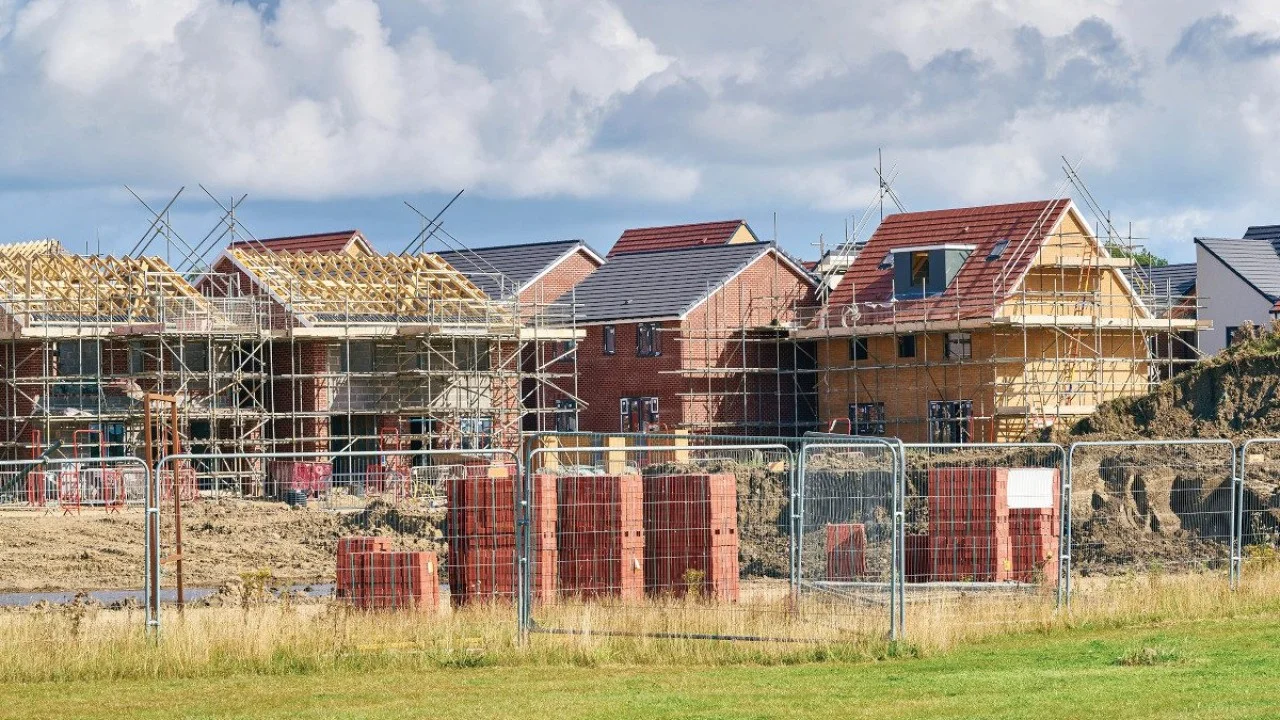
LONDON (WHN) – A significant rollback of environmental protections, disguised as a bid to streamline housing development, has conservationists sounding alarms. The government, ostensibly aiming to accelerate housebuilding to meet its target of 1.5 million new homes, announced on Tuesday, December 16th, modifications to the Biodiversity Net Gain (BNG) rules that critics argue will cripple nature recovery efforts.
The core of the issue lies in exemptions for smaller development sites. Previously, most construction projects were required to deliver a net 10% increase in biodiversity. The new policy carves out sites under 0.2 hectares, a move the government claims simplifies planning and reduces burdens for smaller developers. But this simplification, according to The Wildlife Trusts, means at least 60% of all planning applications will now escape BNG obligations.
This exemption, a “significant shift,” as The Wildlife Trusts stated in their response, will “torpedo business confidence, nature markets, and opportunities for nature recovery in England.” It’s a move that, while perhaps less drastic than some feared from earlier rumours, still represents a substantial weakening of ecological safeguards.
Craig Bennett, chief executive of The Wildlife Trusts, didn’t mince words. He pointed to a broken promise from Labour’s election manifesto, which committed to development that “promotes nature’s recovery.” He also highlighted a specific pledge made by Steve Reed, then Environment Secretary, in January of this year, vowing commitment to BNG. Now, as Housing Secretary, Reed is seen as having broken that word, weakening BNG to a degree that a swathe of land equivalent to Windsor Forest will no longer be restored for nature.
The implication is stark: the majority of planning applications will no longer contribute to nature’s recovery. This, Bennett argues, will lead to a “significant chunk of jobs and private sector investment in nature’s recovery lost.” He frames the government’s approach as an “outdated, discredited old-world view that the choice before us is one of nature OR housing,” even though, as he notes, many examples exist where both can be achieved. The public, he insists, wants both – a sentiment seemingly ignored by current policy.
Tom Gall of the Rivers Trust echoed the sentiment of relief that more sweeping exemptions hadn’t materialized, but he too identified the 0.2-hectare exemption as a “missed opportunity.” For Gall, streamlining processes for small developers needs caution. Oversimplification, he warns, could erode protections and allow developers to “cut corners” on biodiversity gains. Small sites, he stressed, make up a significant portion of development activity, and their “combined impact on biodiversity should not be underestimated, or undervalued.”
Angela Jones, President of ADEPT, an organization representing local authority place directors, urged reconsideration. “Smaller developments, taken together, can have a significant cumulative impact on local ecosystems,” Jones stated. She emphasized that retaining BNG obligations for these sites is “essential to support nature recovery, provide certainty for local authorities and maintain confidence in the emerging BNG market.”
The government’s stated aim is to “get Britain building” by reducing planning burdens. This is part of a broader “Plan for Change” to deliver 1.5 million new homes. The modifications to BNG are presented as a simplification to facilitate this goal.
Yet, the critique from environmental groups suggests a fundamental misunderstanding of how ecological systems function. Biodiversity Net Gain, at its heart, is an accounting mechanism. It quantifies the ecological value of a site before development and requires developers to demonstrably increase that value afterward, either on-site, off-site, or through statutory credits. The goal isn’t just to mitigate damage but to actively improve ecological conditions.
Exempting smaller sites, even if individually minor, creates a cumulative deficit. Imagine a series of small developments chipping away at a local habitat. Individually, each might seem insignificant. Collectively, however, they can fragment ecosystems, reduce species populations, and degrade water quality – precisely the outcomes BNG was designed to prevent. The “nature market,” as The Wildlife Trusts call it, relies on consistent demand and a predictable regulatory framework. Introducing significant exemptions injects uncertainty.
The announcement, made during a debate on planning reform and housing policy in the House of Commons, signals a divergence between housing targets and environmental commitments. It’s a move that pits short-term construction gains against long-term ecological health, a trade-off that many, like Bennett and Gall, believe is unnecessary and ultimately counterproductive.